The Great British Bap Revolution
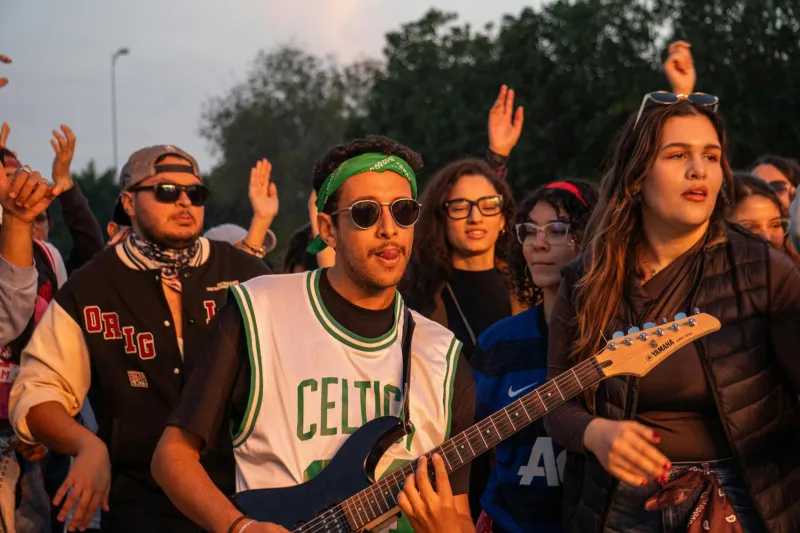
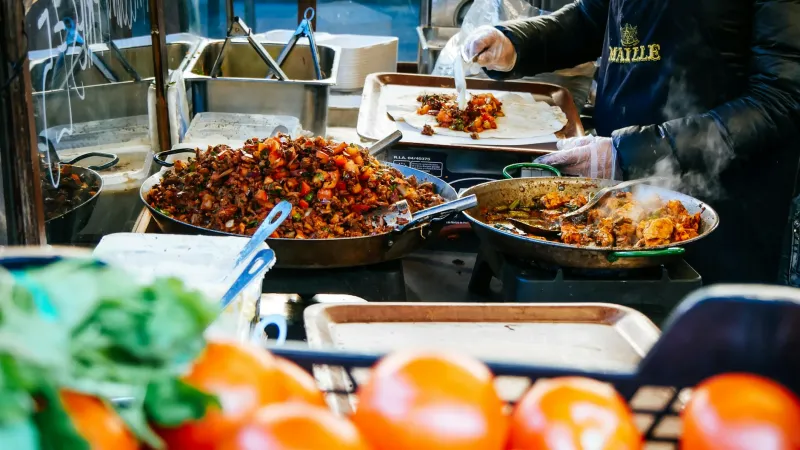
Remember when festival food meant queuing twenty minutes for a limp burger that tasted of cardboard and disappointment? Those days feel like ancient history. Walk through any major UK festival today, and you'll find yourself in a food lover's paradise that rivals London's finest markets – except everything's served from converted horse boxes and vintage Airstreams, soundtracked by live music and seasoned with pure festival magic.
The transformation has been nothing short of remarkable. What was once an afterthought – fuel to keep punters upright between bands – has become a destination experience in its own right. Festival food has evolved into Britain's most accessible culinary movement, championing local producers, sustainable practices, and regional specialities with an enthusiasm that would make Rick Stein weep with joy.
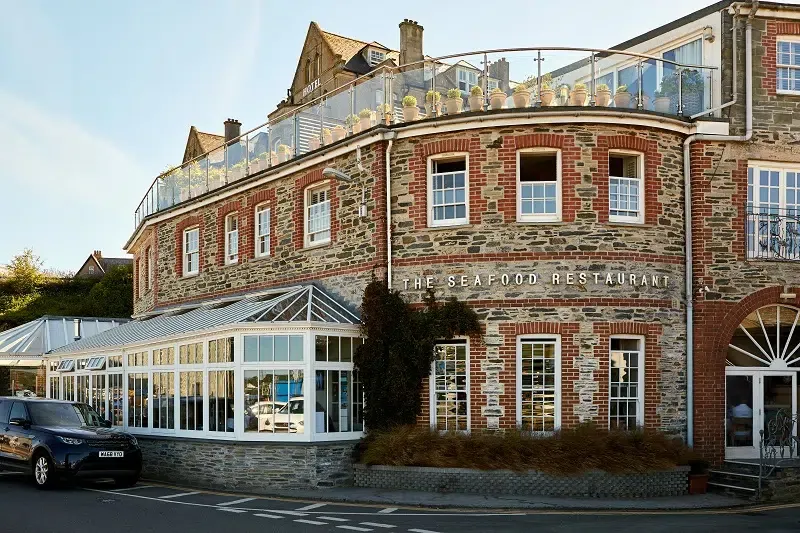 Photo: Rick Stein, via rickstein.com
Pioneers of the Portable Feast
The revolution began quietly, with passionate food traders who refused to accept that festival catering meant compromising on quality. Take The Cheese Truck, which started serving proper Welsh rarebit at Green Man Festival over a decade ago. Owner Gareth Williams recalls the early days: "Everyone said we were mad. Festival food was supposed to be quick, cheap, and forgettable. We wanted to prove you could serve restaurant-quality dishes from the back of a converted van."
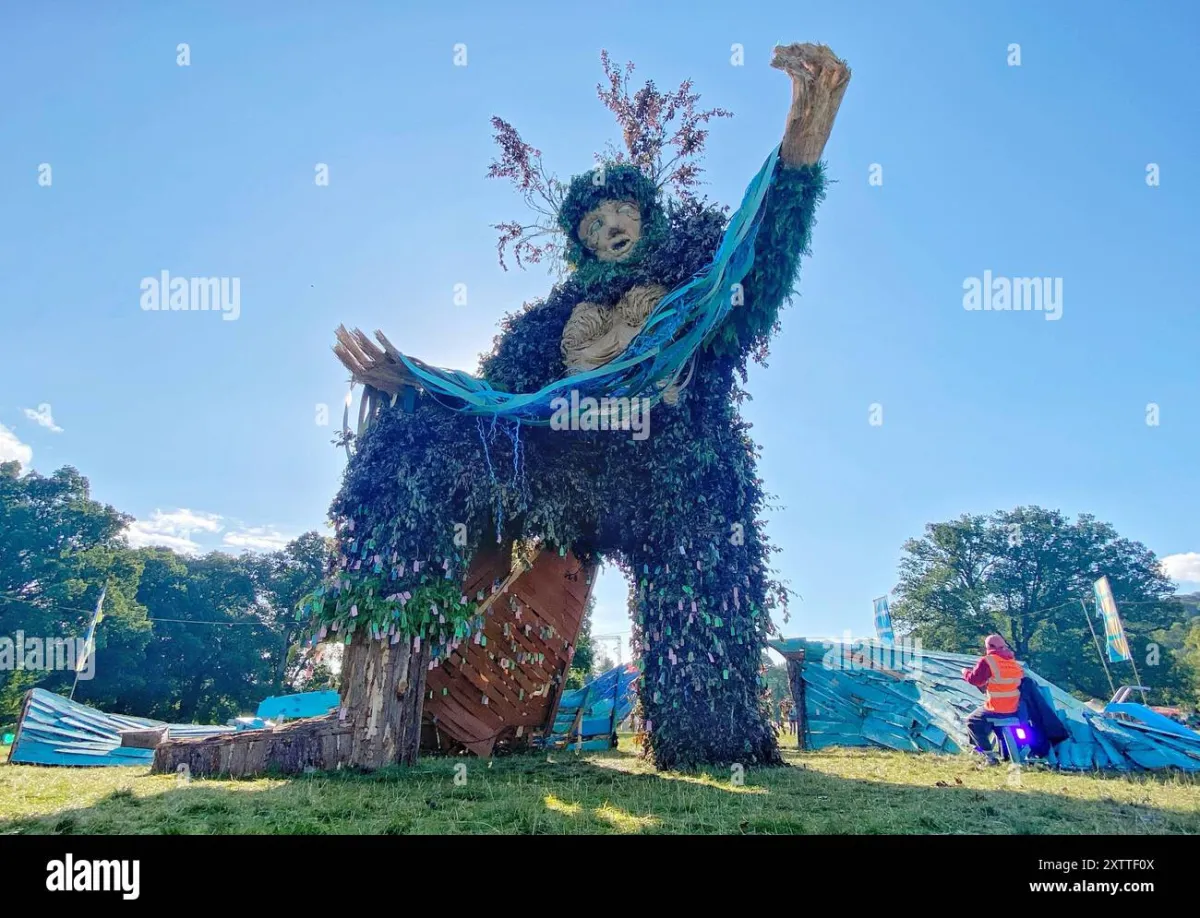 Photo: Green Man Festival, via c8.alamy.com
That philosophy has spread like wildfire across Britain's festival circuit. Now you'll find everything from wood-fired sourdough pizza at Latitude to wild game pies at Kendal Calling, from Korean-Scottish fusion at Edinburgh's festivals to zero-waste vegan feasts at Shambala. Each dish tells a story about place, season, and the passionate people behind the serving hatch.
The Local Heroes
What makes this movement particularly special is its commitment to British provenance. Festival food traders have become unexpected champions of local agriculture, creating direct relationships with farmers, foragers, and artisan producers that bypass traditional wholesale networks entirely.
Sarah Mitchell runs Wild Kitchen, which appears at festivals across the South West, serving dishes made exclusively from ingredients sourced within fifty miles of each event. "Festival food has this unique opportunity to showcase regional identity," she explains, preparing a Somerset cider-braised pork shoulder. "People come from all over the country, and suddenly they're tasting the actual flavour of the place they're visiting."
This hyperlocal approach has created unexpected economic benefits for rural communities. Small-scale producers who previously struggled to reach consumers directly now have a vibrant market through festival food networks. Cheesemakers, craft brewers, heritage vegetable growers, and rare breed farmers have found new audiences among festivalgoers hungry for authentic flavours.
Seasonal Celebrations
The best festival food traders operate like seasonal restaurants, adapting their menus to showcase ingredients at their peak. Spring festivals feature wild garlic and early asparagus. Summer events celebrate British soft fruits and fresh herbs. Autumn gatherings showcase game, apples, and hearty root vegetables.
This seasonal approach has educational impact beyond the food itself. Festival-goers who've never considered when strawberries are naturally in season suddenly understand why June berries taste infinitely better than January imports. It's stealth food education disguised as delicious festival grub.
"We're accidentally teaching people about British food seasons," notes James Wright, whose Forage Kitchen appears at festivals nationwide. "Someone tries our elderflower fritters in May, then asks why they can't get them in October. Suddenly they're learning about natural cycles, seasonal eating, and why patience makes food taste better."
Zero Waste Warriors
The environmental consciousness of modern festival culture has pushed food traders toward increasingly sustainable practices. Many operate completely zero-waste kitchens, composting all organic matter and using only biodegradable packaging. Some have eliminated packaging entirely, encouraging punters to bring their own containers or providing edible alternatives.
Shambala Festival has pioneered this approach, requiring all food vendors to demonstrate environmental credentials alongside culinary skills. The result is a festival food scene that proves sustainable practices and incredible flavours aren't mutually exclusive – they're naturally complementary.
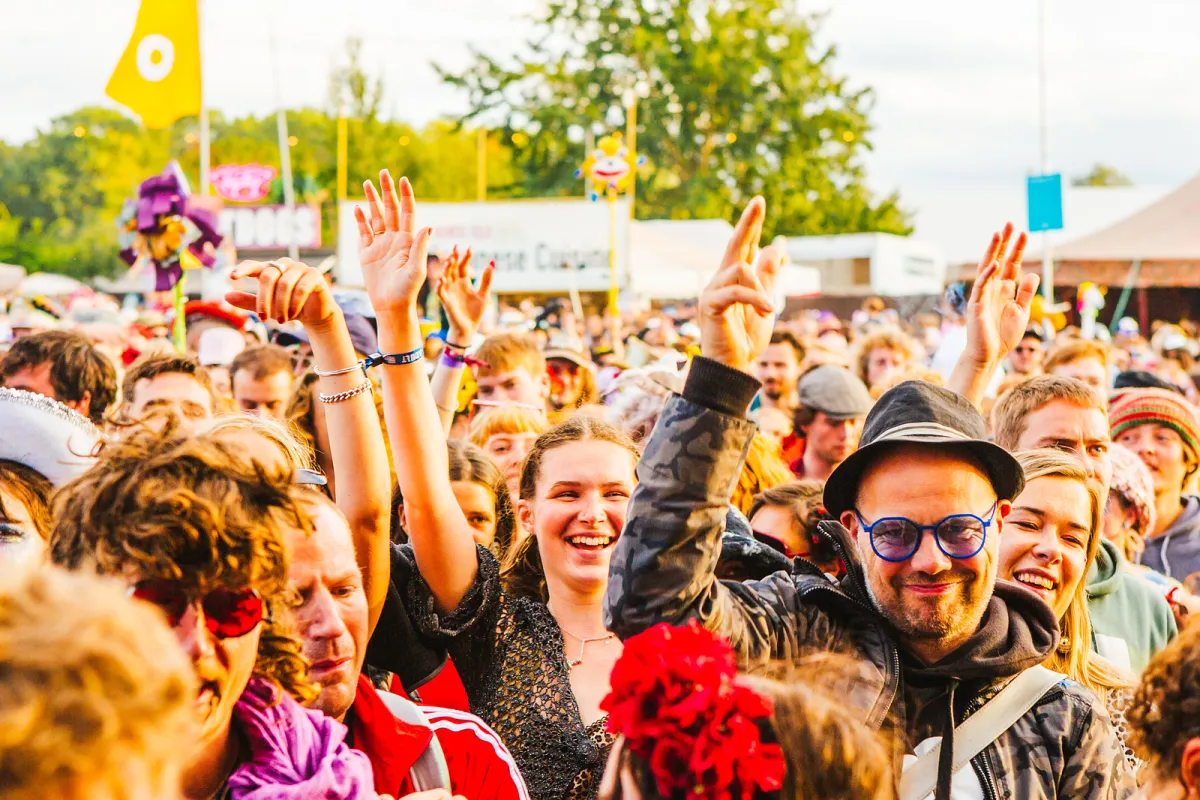 Photo: Shambala Festival, via cache.dpg.media
"Sustainable food tastes better because it's more connected to place and season," explains Shambala's food coordinator Lisa Henderson. "When traders source locally, cook seasonally, and eliminate waste, they're not just being environmentally responsible – they're creating more delicious food."
The Ripple Effect
Perhaps most excitingly, festival food culture is influencing British eating habits far beyond the festival gates. Traders who started serving Korean tacos from festival stalls now run successful restaurants. Techniques pioneered in festival kitchens – like smoking meats in converted oil drums or baking bread in wood-fired mobile ovens – are appearing in urban food markets and rural gastropubs.
The festival food aesthetic – rustic, authentic, focused on provenance and story – has become synonymous with quality dining across Britain. Restaurant chains now try to replicate the 'festival food vibe,' while actual festival traders expand into permanent locations, bringing their ethos of local sourcing and seasonal cooking to year-round operations.
Building Food Communities
Festival food has also created unexpected communities. Traders share knowledge, collaborate on sourcing, and support each other through the challenges of mobile catering. Regular festival-goers develop relationships with their favourite food vendors, following them across different events and becoming evangelists for their particular specialities.
"There's something magical about serving the same family year after year," reflects Emma Thompson, whose Pie & Mash van has become legendary on the indie festival circuit. "Kids grow up eating our food, couples have first dates at our stall, friends make annual pilgrimages to festivals partly because they know we'll be there. We're not just feeding people – we're part of their festival story."
From Now On
The festival food revolution represents something profound about contemporary British culture – our growing appetite for authenticity, locality, and connection to the land that feeds us. These mobile kitchens serve as laboratories for sustainable food systems, showcase stages for regional specialities, and community hubs where strangers bond over shared plates.
From now on, festival food isn't just sustenance – it's cultural expression, environmental activism, and community building served on compostable plates. As British festival culture continues evolving, the food scene leads the way, proving that the most delicious revolutions happen one perfectly seasoned, locally sourced, sustainably served bite at a time.
The next time you're queuing for food at a festival, remember: you're not just buying lunch. You're participating in a grassroots movement that's reshaping British food culture, supporting local economies, and proving that great taste and great values aren't just compatible – they're inseparable.