The New High
Sarah Thompson remembers the exact moment she realised she didn't need alcohol to lose herself in music. Standing in the crowd at Green Man Festival, completely sober, watching Phoebe Bridgers pour her heart out under the Welsh stars, she felt more connected to the experience than she ever had after three pints and a questionable festival cocktail.
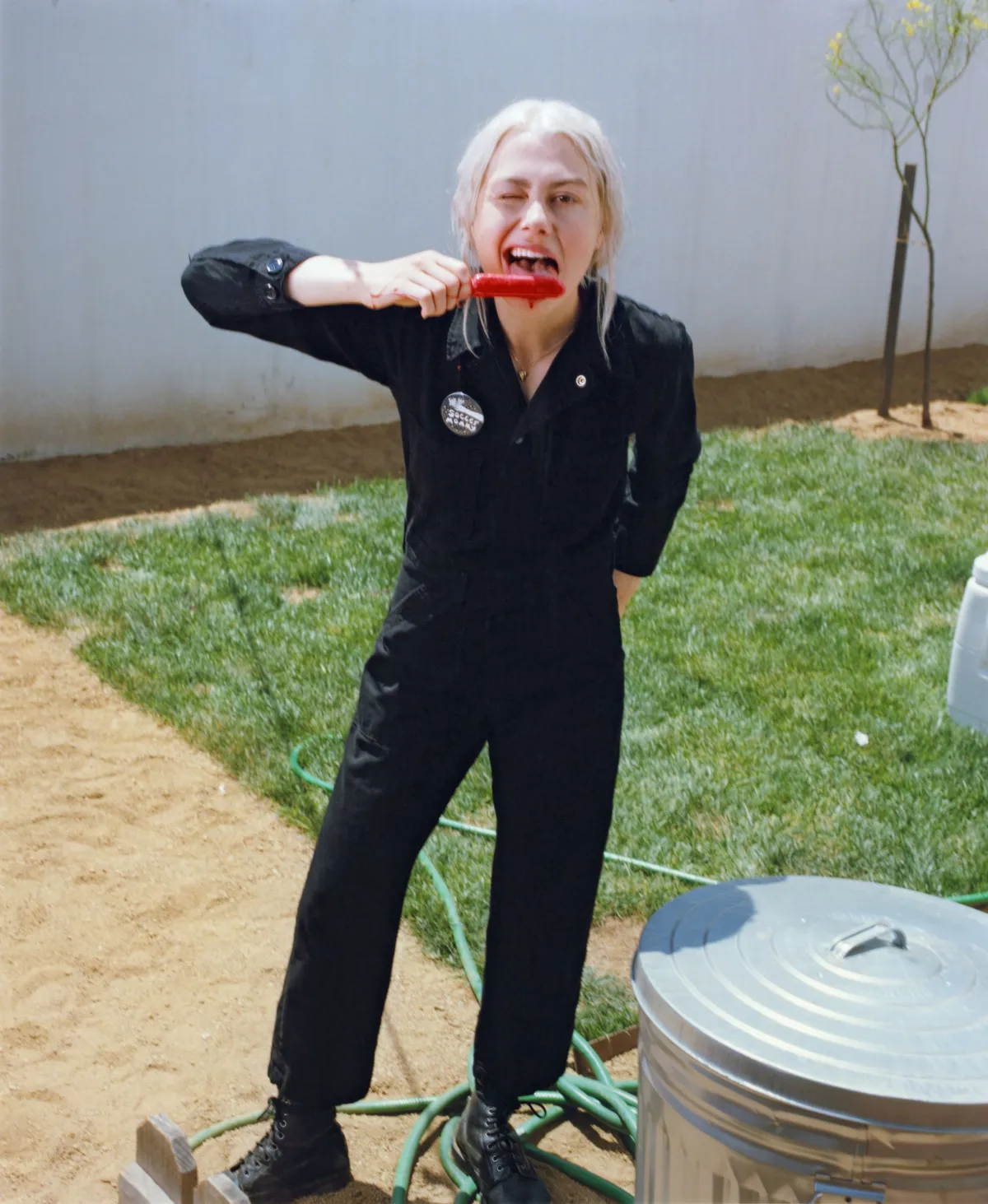 Photo: Phoebe Bridgers, via media.gq.com
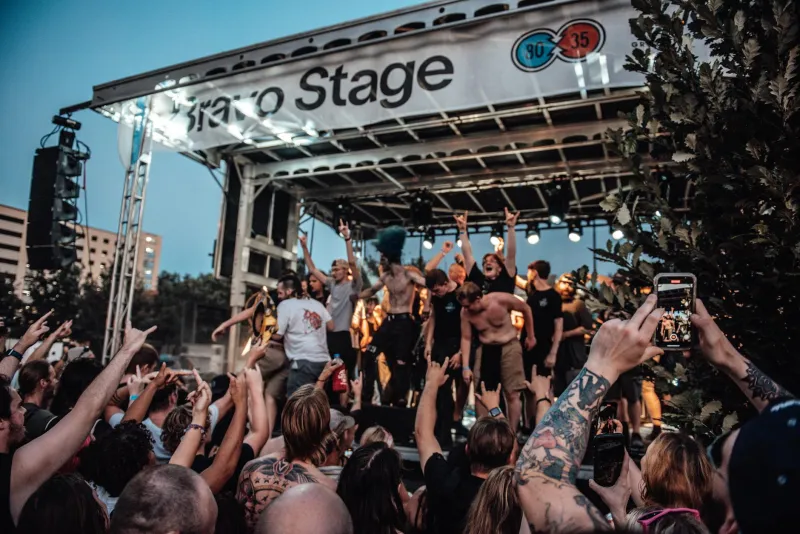
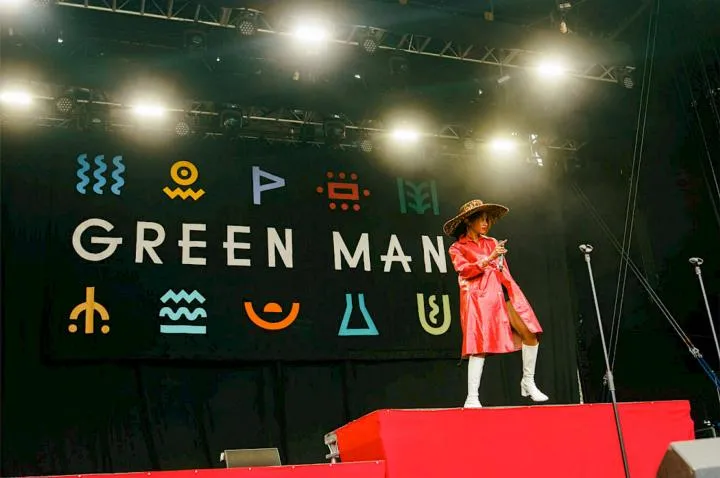 Photo: Green Man Festival, via s3.amazonaws.com
"I could feel every note, every emotion in the lyrics," recalls Sarah, a 28-year-old graphic designer from Bristol. "I wasn't watching the gig through a haze of alcohol – I was actually present for it. That's when I knew I'd found something special."
Sarah isn't alone. Across Britain's festival circuit, a quiet revolution is taking place. From the muddy fields of Glastonbury to the intimate stages of End of the Road, a growing movement of sober-curious festival-goers are proving that the best highs don't come from a bottle.
More Than Just Mocktails
The numbers tell the story. Latitude Festival reported a 40% increase in alcohol-free drink sales between 2022 and 2024, while Bestival's dedicated "Mindful Meadow" has become one of their most popular areas. But this isn't just about swapping beer for kombucha – it's about fundamentally reimagining what festival culture can be.
"We're seeing people who want to experience music in its purest form," explains Marcus Chen, who programmes the wellness areas at several major UK festivals. "They want to dance until sunrise, have meaningful conversations, and actually remember the incredible sets they've witnessed."
The infrastructure is evolving to match this demand. Shambala Festival now offers an entire alcohol-free bar complete with craft zero-alcohol beers from the likes of Big Drop Brewing and Seedlip cocktails that rival anything you'd find in Shoreditch. Meanwhile, smaller festivals like Green Gathering have built their entire ethos around conscious consumption and mindful celebration.
The Sober Rave Renaissance
Perhaps nowhere is this shift more evident than in the electronic music scene, where Morning Gloryville's sober morning raves have inspired a generation of alcohol-free dance events. At festivals like Boomtown and Secret Garden Party, dedicated sober raves are drawing crowds who prove that the only thing you need to get lost in the music is the music itself.
"There's something beautifully honest about dancing sober," says DJ Luna, who's been championing alcohol-free electronic events across the UK. "You can't hide behind anything – it's just you, the music, and pure connection with the crowd around you."
Community Over Consumption
What's driving this shift? For many, it's about authentic community building. Festival-goers like James Morrison, who runs the Instagram account @soberfestivals, argue that alcohol often creates barriers rather than breaking them down.
"When you're sober at a festival, conversations become deeper, connections feel more genuine," Morrison explains. "You're not just bonding over shared intoxication – you're connecting over music, ideas, experiences. It's community in its truest form."
This philosophy aligns perfectly with the growing mental health awareness in festival culture. Many events now feature dedicated wellbeing areas with mental health first aid, counselling services, and spaces for those in recovery to connect and support each other.
The Business of Being Present
Festival organisers are taking notice. Not just because sober festival-goers tend to spend more on food, merchandise, and experiences (when you're not dropping £8 on a pint every hour, your budget stretches further), but because they're creating the kind of positive, inclusive atmosphere that defines the future of festival culture.
"Sober festival-goers are often our most engaged audience," notes Emma Williams, operations director at a prominent UK festival. "They're there for the right reasons – the music, the community, the experience. They're not causing problems, they're creating magic."
From Fringe to Mainstream
What started as a niche movement is rapidly becoming mainstream. Major sponsors are launching alcohol-free product lines specifically for the festival market, while established events are dedicating increasing space and resources to sober experiences.
The Club Soda Festival, now in its fifth year, has grown from a small London gathering to a nationwide movement with events across the UK. Their festival guide to alcohol-free experiences has become essential reading for the sober-curious community.
The Future Feels Clear
As we look towards the 2025 festival season, the signs are clear: the alcohol-free revolution isn't going anywhere. If anything, it's accelerating. New festivals are launching with sobriety as a core value, existing events are expanding their alcohol-free offerings, and a new generation of festival-goers is proving that the best memories are the ones you can actually remember.
"This isn't about being anti-alcohol," Sarah Thompson reflects, now two years into her sober festival journey. "It's about being pro-presence, pro-connection, pro-actually experiencing these incredible cultural moments we're lucky enough to witness."
In a world that often feels chaotic and disconnected, perhaps choosing clarity over cloudiness is the most radical act of all. From now on, the future of festival culture looks beautifully, brilliantly clear.