The traditional pathway to festival stardom used to be painfully predictable: demo tapes to A&R scouts, radio play, industry showcases, then maybe—if you were lucky—a slot on a small stage at Reading or Latitude. But walk through any festival site today and you'll spot something remarkable happening. Artists are stepping onto stages carrying something more valuable than industry backing: genuine communities of fans who've been with them since the very beginning.
The Bedroom-to-Broadfields Revolution
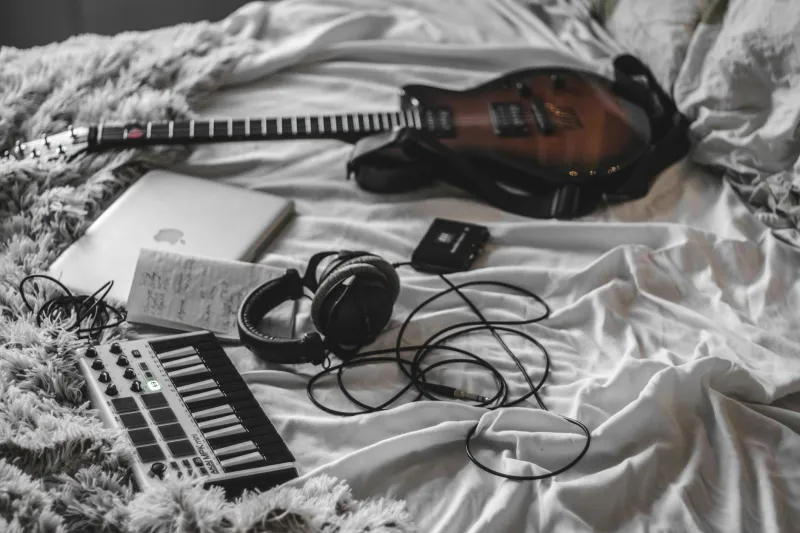
Twenty-two-year-old Maisie Peters didn't need a record deal to fill tents at festivals across Britain. Armed with nothing more than her acoustic guitar, a decent microphone, and an iPhone, she built a devoted following through TikTok covers and original songs posted from her bedroom in Brighton. By the time she landed her first festival slot at Boardmasters, thousands of fans were already singing along to every word.
"It's mental, really," Peters reflects, speaking between soundcheck and her set at this year's Green Man Festival. "I'd been chatting to these people online for months, sharing new songs as I wrote them, asking what they wanted to hear. When I finally got on stage, it felt like playing to mates rather than strangers."
This shift represents more than just a change in how artists build audiences—it's fundamentally altering the power dynamics of festival booking. Where programmers once relied on streaming numbers, radio play, or industry buzz, they're increasingly looking at engagement rates, social media communities, and the kind of authentic connection that translates into packed tents and memorable moments.
Beyond the Algorithm: Building Real Relationships
For Coventry-based indie outfit The Clause, the journey from bedroom demos to festival stages began during lockdown. Unable to play live, the four-piece started hosting weekly Instagram Live sessions, performing new songs and chatting with fans about everything from songwriting processes to what they'd had for breakfast.
"We accidentally created this little community," explains lead vocalist Sam Richardson. "People would turn up every week, same time, same place. They'd request songs, share stories, become proper friends with each other in the comments. When restrictions lifted and we finally announced our first proper gig, it sold out in minutes."
That dedicated fanbase caught the attention of festival bookers at 2000trees, who offered The Clause a slot based not on radio play or industry connections, but on the undeniable evidence of a passionate community ready to travel and support their favourite band.
The numbers tell the story: The Clause's debut festival appearance drew one of the weekend's largest crowds to the smaller Axiom stage, with fans travelling from Scotland, Wales, and Northern Ireland to see them perform live for the first time.
Democratising the Festival Circuit
This digital-first approach is proving particularly powerful for artists from regions and backgrounds historically underrepresented on major festival lineups. Take Doncaster's rising star Kezia, whose blend of UK garage and neo-soul found its audience through carefully curated Spotify playlists and collaborative TikTok content with other emerging artists.
"Growing up in Doncaster, the music industry felt like this impossible thing happening somewhere else," Kezia explains via video call from her home studio. "But when I started sharing tracks online, geography stopped mattering. I've got fans in Glasgow who know my songs better than people in my own town."
This democratisation extends beyond geography. Artists who might previously have struggled to access traditional industry networks—whether due to class, race, or simply not knowing the right people—are finding direct routes to audiences that bypass gatekeepers entirely.
Festival programmer Sarah Chen, who books acts for several mid-tier UK festivals, has noticed the shift firsthand. "We used to rely heavily on industry recommendations, radio playlists, that whole ecosystem. Now I'm spending more time on TikTok and Bandcamp than reading music press. The artists coming through this way often have more genuine, engaged fanbases than acts with traditional industry support."
The New Festival Economy
This transformation is creating a more sustainable ecosystem for emerging artists. Rather than hoping for that one big break, musicians can build steady, supportive communities that translate into consistent festival bookings, merchandise sales, and long-term career sustainability.
The evidence is everywhere: at this summer's festivals, you'd spot fans wearing homemade t-shirts featuring lyrics from unreleased songs, or holding up signs referencing inside jokes from Instagram Live sessions. These aren't just audiences—they're communities with genuine emotional investment in their artists' success.
Looking Forward: A More Connected Future
As we look ahead to the next festival season, this trend shows no signs of slowing. If anything, it's accelerating, with platforms like Bandcamp Friday driving direct fan-to-artist support and TikTok's algorithm continuing to surface authentic talent over industry-manufactured acts.
For festival-goers, this means discovering artists who've already proven their ability to create genuine connections. For the festivals themselves, it means programming becomes less about predicting what might work and more about recognising what's already working in digital spaces.
Most importantly, for the artists, it means arriving at festival stages not as unknowns hoping to win over strangers, but as community leaders bringing their people together for something special. In a world where authentic connection feels increasingly rare, these digital devotees are proving that the most powerful relationships between artists and audiences aren't built by industry machinery—they're built one genuine interaction at a time.
The festival circuit has always been about bringing communities together around shared musical experiences. Now, those communities are forming before the first chord is even struck, making every festival set feel less like a performance and more like a homecoming.