The New Sound of Success
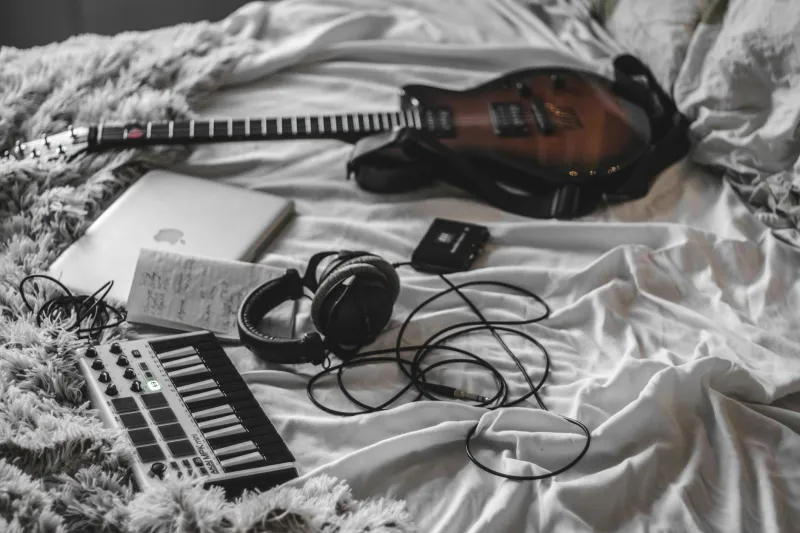
There's something magical happening in bedrooms, kitchen tables, and makeshift home studios across Britain. While the rest of us scroll through our feeds, a quiet revolution is taking place—one that's fundamentally reshaping how we discover the voices that will soundtrack our summers.
Just five years ago, breaking into the festival circuit meant years of grinding through pub gigs, hoping to catch the eye of an A&R scout nursing a warm pint in a dingy venue. Today, that same journey can happen in months, sometimes weeks, powered by nothing more than a smartphone and an internet connection.
Take Arlo Parks, who went from uploading poetry to Instagram to headlining stages at Latitude and Green Man. Or consider how Glass Animals' "Heat Waves" became a festival anthem after finding new life on TikTok, years after its initial release. These aren't anomalies—they're the new normal.
The Democratisation of Discovery
Sarah Chen, talent scout for several major UK festivals, has witnessed this transformation firsthand. "We used to rely on industry connections, radio play, and traditional gatekeepers," she explains. "Now, I'm just as likely to discover our next headliner through a viral TikTok as I am through a management company pitch."
The numbers back this up. Streaming data has become the new currency of festival booking, with platforms like Spotify and Apple Music providing real-time insights into which tracks are resonating with audiences. When a bedroom producer from Birmingham sees their track rack up 100,000 streams in a week, festival bookers take notice.
But it's not just about the algorithms. Online communities have become the new tastemakers, with Discord servers, Reddit threads, and Facebook groups championing emerging talent with the passion once reserved for traditional music press. These digital tribes are often the first to spot potential festival headliners, creating a groundswell of support that can propel artists from obscurity to main stage billing.
The Platform Generation
Twenty-two-year-old producer Jamie Walsh knows this journey intimately. From his flat in Manchester, he's built a following of 200,000 across various platforms, caught the attention of festival bookers, and secured slots at three major UK festivals this summer—all without ever releasing music through traditional channels.
"I started uploading beats to YouTube during lockdown," Walsh recalls. "Within six months, I had artists wanting to collaborate, and festival scouts sliding into my DMs. It's mental how quickly things can move now."
Walsh's story isn't unique. Across the UK, young artists are leveraging platforms like Bandcamp, SoundCloud, and even TikTok to bypass traditional industry gatekeepers. They're building direct relationships with fans, creating their own promotional campaigns, and most importantly, proving their commercial viability through streaming numbers and social engagement.
The New Scouting Network
Festival talent acquisition has evolved into something resembling a digital treasure hunt. Mark Stevens, who books emerging talent for several boutique festivals, describes his process: "I spend hours trawling through playlists, checking streaming charts, and monitoring social media trends. The best discoveries often come from unexpected places."
This shift has opened doors for artists who might never have had access to traditional industry networks. Geographic location matters less when your bedroom studio can reach global audiences. Class barriers become less relevant when talent can be showcased without expensive demo recordings or industry connections.
Building Tomorrow's Lineups
The impact extends beyond individual success stories. Festival lineups themselves are becoming more diverse, more representative, and more responsive to actual audience demand rather than industry politics. When bookers can see real-time data about which artists are genuinely connecting with festival demographics, programming decisions become less about educated guesses and more about data-driven choices.
"We're seeing lineups that actually reflect what people are listening to," notes music journalist and festival veteran Lucy Thompson. "There's less of a disconnect between what's popular online and what's on stage. It's creating more authentic festival experiences."
The Future Sounds Bright
As we look toward the festivals of tomorrow, this digital revolution shows no signs of slowing. New platforms emerge regularly, each offering fresh opportunities for discovery. Live streaming has added another dimension, allowing artists to showcase their live performance capabilities without leaving their homes.
The traditional music industry infrastructure—labels, management, radio—still plays a role, but it's no longer the only path to festival success. Young artists across Britain are writing their own rules, building their own audiences, and creating the soundtracks that will define the next generation of festival culture.
For festival-goers, this means more exciting discoveries, more diverse lineups, and the thrill of potentially witnessing the very beginning of an artist's journey from bedroom to main stage. The democratisation of music discovery isn't just changing how artists break through—it's enriching the entire festival experience for everyone involved.
From now on, the next festival headliner might be uploading their breakthrough track right now, just a click away from changing everything.