The Invisible Orchestra: Britain's Sound Wizards Who Turn Fields Into Concert Halls
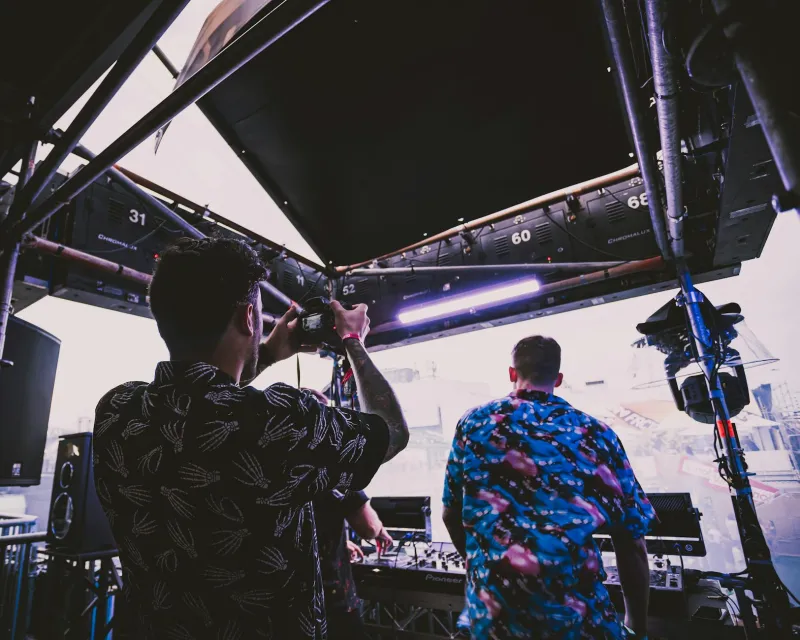
The Magicians Behind the Magic
When Stormzy commanded the Pyramid Stage at Glastonbury 2019, delivering that earth-shaking performance that had 100,000 people hanging on every word, the real miracle wasn't just his charisma. It was that his voice carried crystal clear to the back of the field, that every drum hit landed with precision, and that not a single technical glitch interrupted the flow. That miracle had a name — actually, several hundred names — belonging to the invisible army of sound engineers who'd spent weeks turning a Somerset dairy farm into an acoustic wonderland.
"People think the magic happens when the artist walks on stage," says Sarah Chen, a front-of-house engineer who's mixed everyone from Arctic Monkeys to Little Simz. "But the real magic is that when they do walk on, everything just works. That's months of planning, days of rigging, and years of experience all condensed into invisible perfection."
It's a craft that Britain has quietly mastered like nowhere else on earth. From the legendary mixing desks of Abbey Road to the rain-soaked fields of Reading, this country has produced a generation of audio engineers whose expertise is exported worldwide — yet whose contribution to our cultural landscape remains largely unsung.
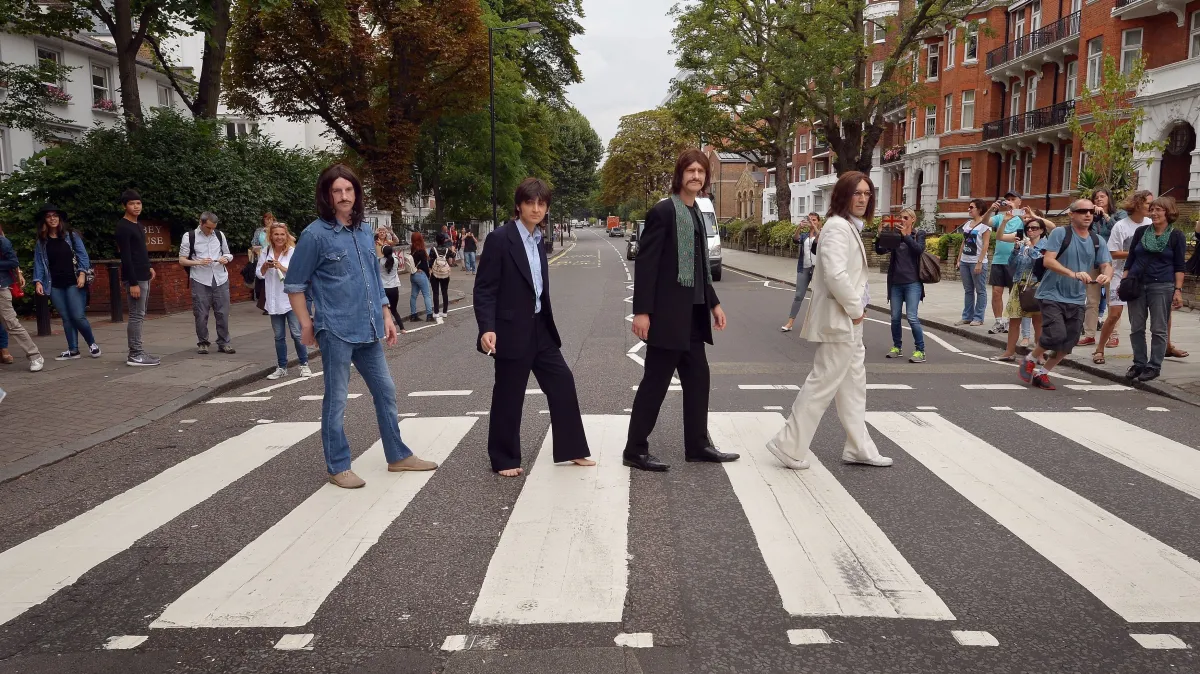 Photo: Abbey Road, via getwallpapers.com
The Art of Making 50,000 People Feel Like They're in the Front Row
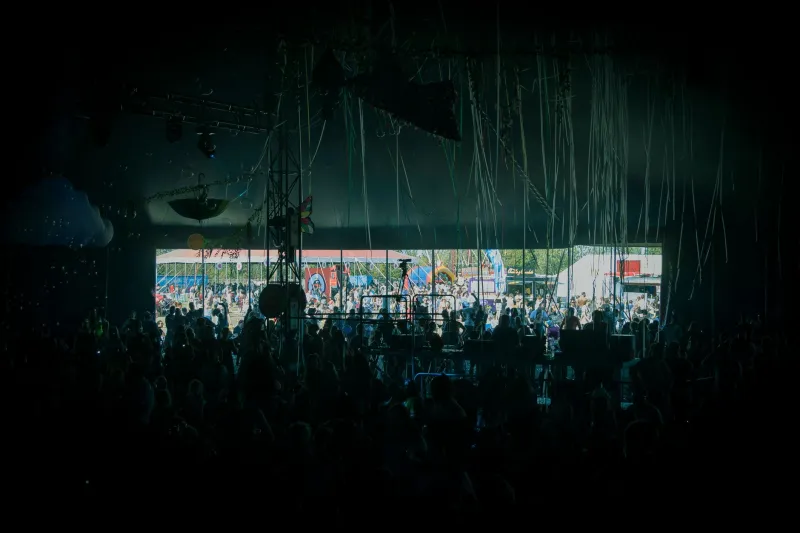
Modern festival sound engineering is part science, part art, and part dark magic. Take Download Festival's main stage — a 100-metre-wide sonic canvas where engineers must ensure that someone standing 300 metres away hears the same crisp guitar solo as someone pressed against the barrier.
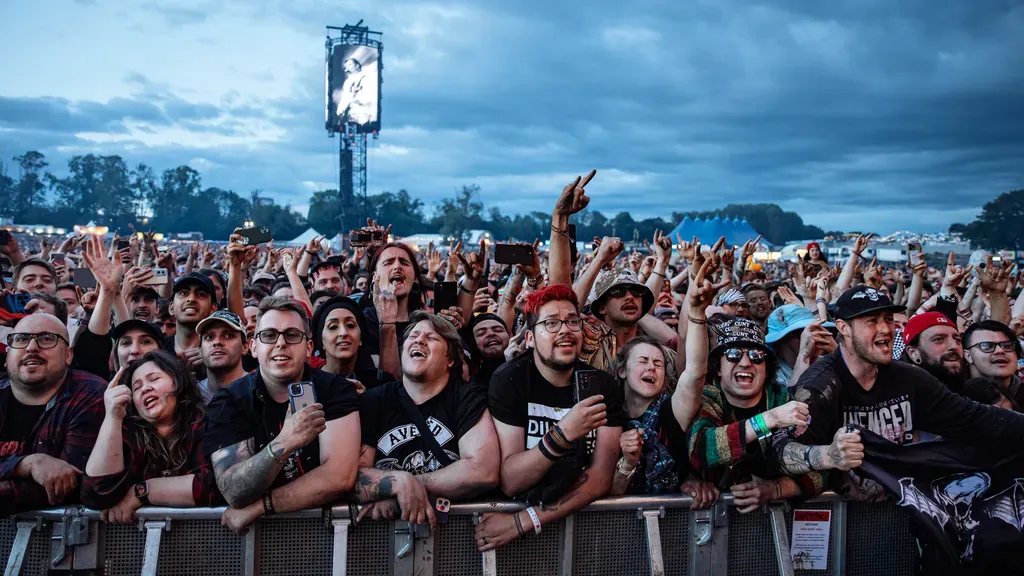 Photo: Download Festival, via images.kerrangcdn.com
"It's like painting with sound waves," explains Marcus Thompson, who's been designing festival sound systems for over two decades. "You've got wind direction, temperature gradients, crowd density, even the moisture content of the air all affecting how sound travels. Then you've got to factor in noise bleed from other stages, helicopter flyovers, and the fact that 50,000 people jumping simultaneously creates its own acoustic signature."
The technology has evolved dramatically since the early days of festival PA systems. Where once a few speaker stacks might suffice, today's festivals employ line arrays — precision-engineered speaker systems that can be tuned to the millimetre to create what engineers call "even coverage." It's why you can stand anywhere in a modern festival field and feel like the band is playing just for you.
But technology is only half the story. The other half is the peculiarly British approach to problem-solving that has made UK engineers legendary in the industry.
The School of Hard Knocks and Harder Weather
"There's something about British weather that creates the world's best festival engineers," laughs Jenny Morrison, who runs one of the UK's leading sound rental companies. "When you've successfully mixed a headliner set in horizontal rain at 2am with 40mph winds threatening to topple your delay towers, you can handle pretty much anything."
It's no coincidence that British sound companies dominate the international festival circuit. From Coachella to Tomorrowland, when promoters want guaranteed excellence, they often turn to UK-based teams who've cut their teeth on the unforgiving combination of British weather and British audiences.
The training ground is brutal but effective. A typical festival engineer's career might begin humping flight cases at local venues, progress through years of assisting on smaller festivals, and eventually graduate to mixing headline acts at major events. It's a apprenticeship system that values practical experience over academic qualifications — though the technical knowledge required is increasingly sophisticated.
"I've got a physics degree, but I learned more about acoustics in my first week at Latitude than in three years of university," says Tom Richards, now a senior system technician. "There's no textbook for what happens when 20,000 people start singing 'Mr. Brightside' in a field in Suffolk."
The Unsung Heroes of the Rigging Crew
While sound engineers grab most of the technical spotlight, the festival experience depends equally on the riggers — the skilled technicians who build the temporary infrastructure that makes modern festivals possible. These are the people working through the night to suspend tonnes of speakers, lights, and video screens above the heads of festival-goers, all while ensuring everything meets the stringent safety standards that keep Britain's festivals among the world's safest.
"Rigging is where engineering meets circus skills," explains Dave Patterson, a master rigger who's worked on everything from intimate club shows to stadium spectaculars. "You're essentially building a temporary city in a field, complete with power distribution, structural engineering, and enough cable to wire a small town. And it all has to come down just as safely as it went up."
The precision required is staggering. A single miscalculation in load distribution could mean disaster, while the tight timelines of festival build schedules leave no room for error. Yet these crews work with a combination of technical expertise and practical ingenuity that has become a British trademark.
The Future Sounds of Britain
As festivals continue to evolve, so does the technology that powers them. Immersive audio systems that can place individual instruments in three-dimensional space around listeners. AI-powered mixing systems that can automatically adjust for crowd noise and weather conditions. Sustainable power solutions that reduce the environmental impact of massive sound systems.
But for all the technological advancement, the fundamental challenge remains the same: creating that perfect moment when music and audience connect in ways that transcend the ordinary. It's a challenge that requires not just technical skill, but an understanding of the emotional power of live music — something that Britain's festival engineers have in abundance.
"At the end of the day, we're not just moving air molecules around," reflects Sarah Chen. "We're creating the conditions for magic to happen. When someone has a life-changing moment at a festival, we were part of making that possible. That's worth being invisible for."
So next time you're lost in a perfect festival moment, spare a thought for the invisible orchestra working behind the scenes. They're the reason the magic feels effortless — because they've made it their life's work to ensure it is.