Living Room Legends: How Britain's Front Parlour Revolution Is Rewiring Live Music
When Your Neighbour's Sofa Becomes the Best Seat in the House
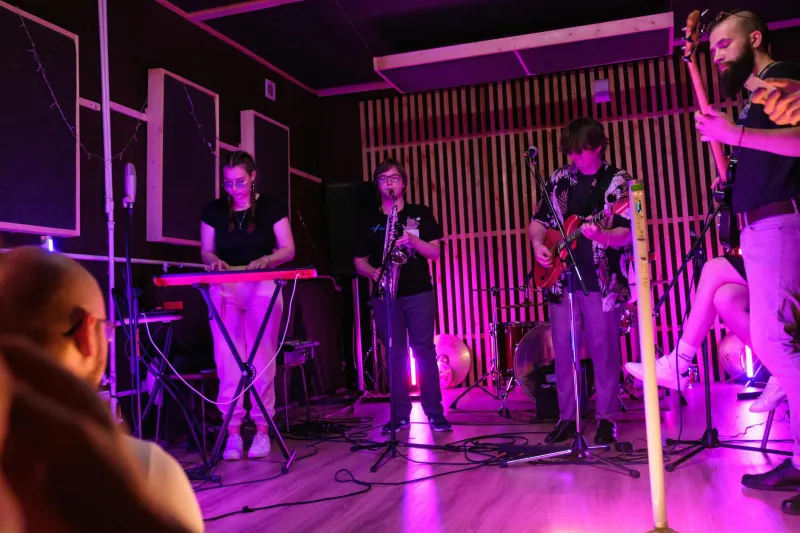
There's something beautifully subversive about watching a Grammy-nominated singer-songwriter perform their heart out in someone's front room while the dishwasher hums quietly in the background. Yet across Britain, this scene is playing out nightly — in Victorian terraces in Manchester, converted barns in the Cotswolds, and purpose-built garden studios in suburban Surrey.
Welcome to the house concert revolution, where Britain's musical heritage is returning to its roots: intimate spaces where artists and audiences share the same air, where every whispered lyric carries weight, and where the connection between performer and listener becomes something almost sacred.
"The first time I played someone's living room, I was terrified," admits folk singer-songwriter Beth Orton, who's embraced the house concert circuit alongside her festival appearances. "No stage lights to hide behind, no barrier between you and the audience. Just you, your songs, and twenty people sitting close enough to hear you breathe. It's the most vulnerable and most rewarding way to perform."
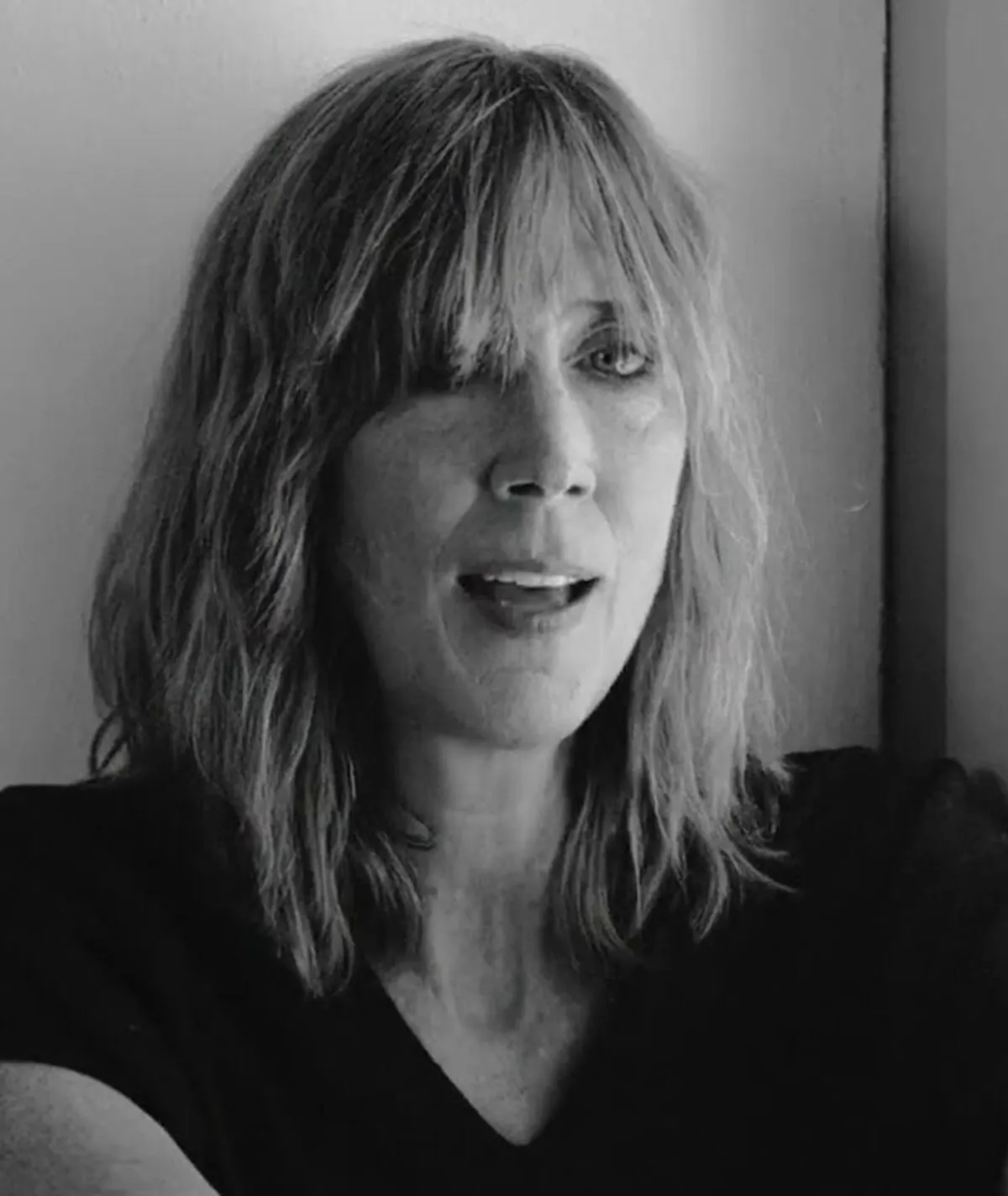 Photo: Beth Orton, via images.mubicdn.net
It's also becoming one of the fastest-growing segments of Britain's live music economy, driven by a perfect storm of economic pressures on touring musicians, audiences craving authentic experiences, and hosts discovering that their homes can become cultural hubs.
The Economics of Intimacy
For emerging artists, the mathematics of touring have become increasingly challenging. Venue hire costs, sound system rental, and the simple economics of selling enough tickets to break even in traditional spaces have pushed many musicians towards more creative solutions. House concerts offer an elegant alternative: lower overheads, guaranteed audiences, and ticket prices that reflect the intimate experience rather than venue costs.
"I can make more money playing to thirty people in someone's front room than I can playing to sixty people in a traditional venue," explains singer-songwriter James Yorkston, who's been pioneering the Scottish house concert scene. "The hosts handle the logistics, the audience is pre-selected and genuinely interested, and the whole experience feels like music-making rather than music business."
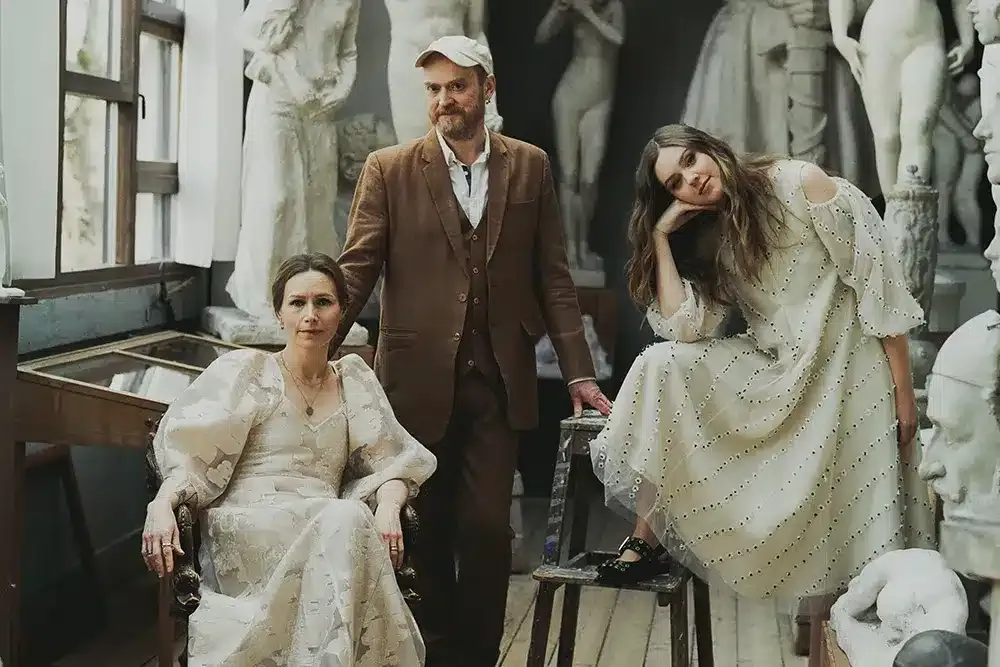 Photo: James Yorkston, via www.popmatters.com
The model is refreshingly simple. Hosts open their homes, handle ticket sales (usually between £15-30), and provide basic refreshments. Artists keep the door money minus a small percentage for the host's efforts. No sound engineers, no venue hire, no complicated rider negotiations — just music in its purest form.
But the appeal goes deeper than economics. In an era of increasingly large-scale festival productions and corporate venue experiences, house concerts offer something that feels endangered: genuine intimacy and community.
The Art of Hosting Magic
Sarah and Mike Thompson's Victorian terrace in Leeds has become something of a legend on the house concert circuit. Their front room, which seats exactly 28 people when they move the furniture just so, has hosted everyone from Mercury Prize nominees to local singer-songwriters taking their first tentative steps into performance.
"We started because we wanted to support local music, but we've ended up creating something that feels bigger than that," Sarah explains. "Our neighbours initially thought we were mad — all these cars appearing on a Tuesday night, strangers filing into our house. But now some of them are regulars. Mrs. Jenkins from next door discovered she loves experimental folk music. Who knew?"
The logistics are more complex than they might appear. Licensing requirements vary by local authority, though most house concerts fall under 'private entertainment' regulations that don't require special permits for small audiences. Insurance considerations, noise management, and neighbour relations all require careful navigation.
"The key is treating it like the community event it is," advises Helen Carter, who coordinates a network of house concert venues across the West Country. "We always finish by 10:30pm, we brief audiences about parking and noise, and we make sure our neighbours know what's happening. Most are curious rather than concerned once they understand what we're doing."
From Parlour Songs to Streaming: A Cultural Circle Complete
There's something deeply appropriate about music returning to domestic spaces in Britain. Before concert halls and festivals, before radio and streaming, music lived in parlours and front rooms. The piano was the centrepiece of middle-class homes, sheet music was the era's equivalent of Spotify playlists, and gathering around the instrument for an evening's entertainment was as natural as switching on the television.
"We're reconnecting with a tradition that got lost somewhere between the music hall and the arena," reflects Dr. Emma Robertson, a cultural historian at the University of York who studies domestic music-making. "House concerts aren't just about economic necessity — they're about reclaiming music as a social practice rather than a consumer experience."
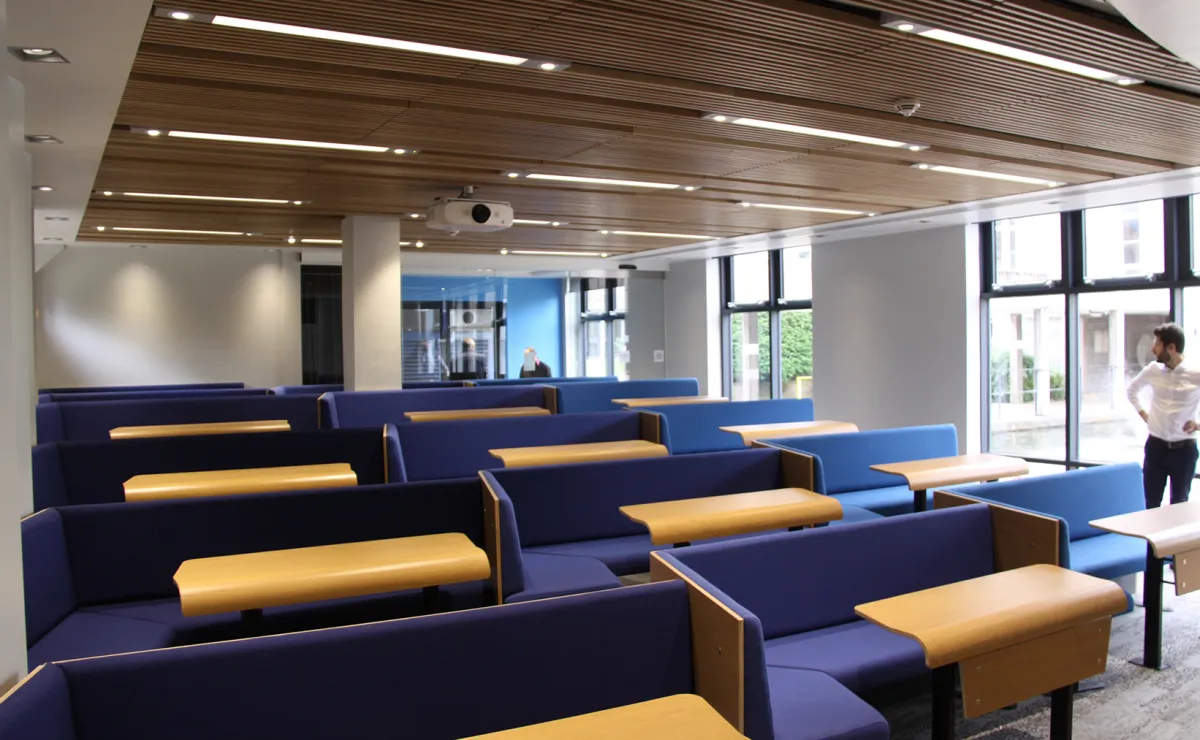 Photo: University of York, via nugget-design.com
The revival isn't limited to folk and acoustic music, though these genres dominate the scene. Electronic artists are adapting their performances for living room acoustics, poets are finding natural homes in book-lined studies, and even small ensembles are discovering the unique intimacy of performing in domestic spaces.
Building Community, One Concert at a Time
Perhaps the most remarkable aspect of the house concert movement is how it's creating communities around shared musical experiences. Regular attendees become familiar faces, artists develop ongoing relationships with hosts and audiences, and the events themselves become social gatherings that extend far beyond the music.
"I've made some of my closest friendships through house concerts," says regular attendee Mark Stevens, who travels across the Midlands to catch performances in different homes. "There's something about sharing music in someone's living space that breaks down the usual barriers. You end up having proper conversations with the artists, with other audience members, with the hosts. It's social in a way that festival-going just isn't."
The movement has also proven remarkably resilient. During the pandemic lockdowns, many house concert organisers pivoted to garden performances and live-streamed events, maintaining their communities through the crisis and emerging stronger than before.
Challenges in the Front Room
Not everything about the house concert revolution is harmonious. Neighbours occasionally complain about parking and noise, though most organisers report positive community relations. More significantly, the intimate nature of house concerts can create challenges around audience behaviour and artist safety, particularly for female performers.
"The closeness that makes house concerts magical can also make them challenging," admits folk singer Lucy Rose, who's performed extensively on the circuit. "You need hosts who understand their responsibility for creating safe spaces, and audiences who respect the intimacy without abusing it."
Most successful house concert organisers have developed informal codes of conduct and screening processes for both artists and audiences, creating communities built on mutual respect and shared passion for music.
The Future of Intimate Music
As the house concert movement continues to grow, it's beginning to influence broader music industry thinking about scale, intimacy, and community. Some traditional venues are experimenting with more intimate configurations, festival organisers are creating house concert-style spaces within larger events, and streaming platforms are exploring how to capture the magic of close-quarters performance.
"I think we're seeing the future of live music, not its past," suggests Beth Orton. "In a world where you can stream any song instantly, the value of live music isn't just in hearing the songs — it's in sharing the experience. House concerts take that sharing to its logical conclusion."
The movement represents something quintessentially British: the transformation of private spaces into public experiences, the celebration of the amateur alongside the professional, and the understanding that the best cultural experiences often happen when we least expect them — perhaps in a front room in Stockport on a Tuesday evening, where the tea's always on and the music feels like it was written just for you.