Planet-Friendly Beats: The Eco Warriors Transforming Britain's Festival Scene
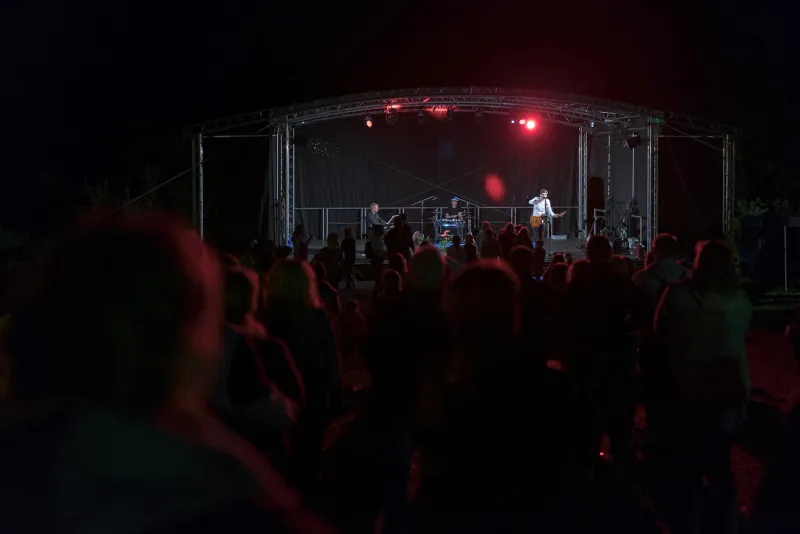
The morning after Shambala Festival, something remarkable happens. Where 15,000 revellers danced until dawn, the Northamptonshire fields look almost untouched. No plastic bottles glinting in the grass, no abandoned tents fluttering like synthetic tumbleweeds. This isn't magic – it's the result of Britain's most ambitious environmental experiment in live music.
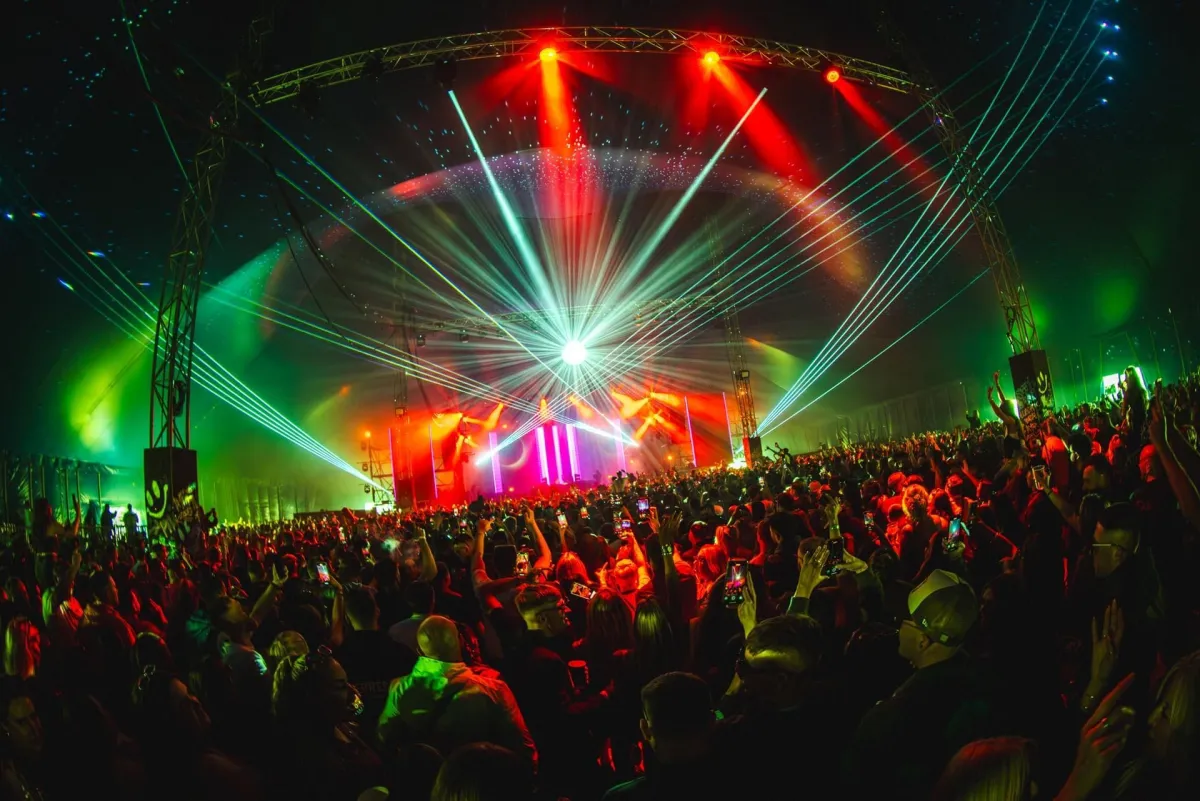 Photo: Shambala Festival, via festivalcalendar.uk
"We banned single-use plastics completely in 2019," explains festival director Chris Johnson, surveying the site's immaculate post-event state. "People said we were mental, that it would kill the festival experience. Instead, it became our superpower."
Shambala isn't alone in this green awakening. Across Britain, festivals are discovering that environmental responsibility isn't just good for the planet – it's becoming essential for survival in an industry increasingly scrutinised for its carbon footprint.
The Solar Revolution
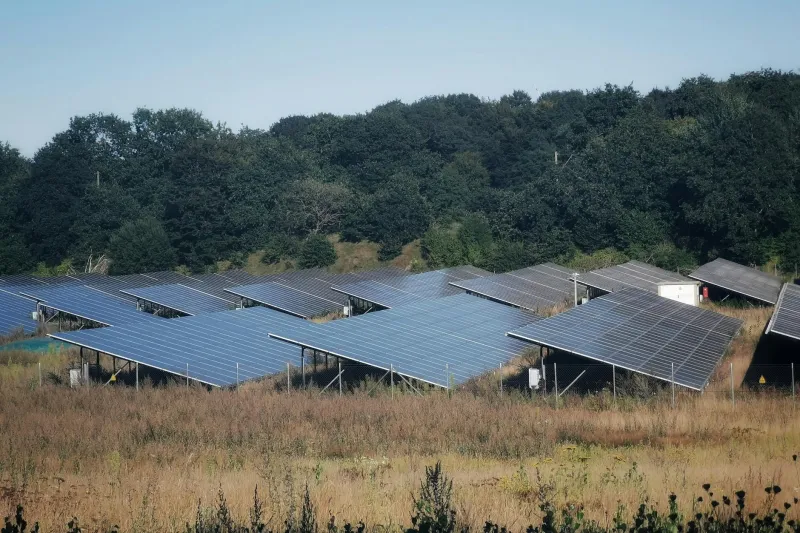
At Latitude Festival in Suffolk, the main stage now runs entirely on renewable energy. Solar panels stretch across backstage areas like metallic crop fields, whilst wind turbines spin lazily between the poetry tent and the comedy arena. It's a sight that would have seemed fantastical just five years ago.
 Photo: Latitude Festival, via www.latitudefestival.com
"The technology finally caught up with our ambitions," says sustainability consultant Sarah Mitchell, who's worked with over 30 UK festivals on their green transitions. "Solar battery storage can now power a 50,000-capacity stage for an entire weekend. The economics make sense, and the symbolism is powerful."
The visual impact is intentional. Festival Republic, which operates Leeds and Reading festivals, has made their renewable infrastructure visible to punters. Solar panels aren't hidden away but integrated into art installations. Wind turbines become landmarks. The message is clear: this is what the future sounds like.
Beyond the Obvious
Whilst solar panels grab headlines, the real revolution is happening in the details. Bestival pioneered compostable cups made from plant starch that dissolve harmlessly in industrial composters. The Secret Garden Party introduced 'leave no trace' camping zones where every tent, sleeping bag, and camping chair must leave with its owner.
"It's about shifting mindset," explains environmental psychologist Dr. Emma Thompson, who studies festival behaviour. "When people see their favourite bands playing on solar power, drinking from cups made of corn starch, they start questioning their own consumption patterns. Festivals become laboratories for sustainable living."
The innovations keep coming. Boomtown Fair captures and purifies rainwater for drinking fountains. Green Man Festival in Wales sources 90% of its food from within 100 miles. Download Festival runs shuttle buses on biodiesel made from used cooking oil from festival food vendors – a perfect circular economy in action.
The Honest Reckoning
Yet for all the progress, festival organisers are refreshingly honest about how far they still need to travel. The elephant in the field remains transport – specifically, the thousands of cars that converge on festival sites every weekend.
"We can make our stages carbon neutral, our catering zero waste, our merchandise entirely sustainable," admits Glastonbury's sustainability coordinator James Thompson. "But if 200,000 people drive to Somerset in diesel cars, we're still part of the problem."
Some festivals are tackling this head-on. Truck Festival in Oxfordshire offers significant ticket discounts for coach travel and has partnered with local rail operators for festival-specific services. Others are exploring more radical solutions – pop-up festivals in city centres, virtual reality experiences that reduce travel need, even carbon rationing systems where frequent festival-goers offset flights by choosing local events.
The Competitive Advantage
What's driving this green revolution isn't just environmental conscience – it's competitive advantage. Younger audiences increasingly choose events based on sustainability credentials. Festivals that can't demonstrate environmental progress risk being left behind.
"Gen Z doesn't just want to hear about climate action – they want to participate in it," observes music industry analyst Marcus Webb. "Festivals that make sustainability central to their identity aren't just doing good, they're building deeper connections with their audience."
This shift is creating unexpected alliances. Rival festivals now share best practices on waste reduction. Booking agents consider artists' touring carbon footprints alongside commercial appeal. Equipment rental companies invest in electric transport fleets.
Looking Forward
The next frontier is carbon negative festivals – events that actually remove more carbon from the atmosphere than they generate. It sounds impossible, but pioneers are already experimenting. Tree planting initiatives, renewable energy generation that feeds back into the grid, partnerships with regenerative farming projects on festival sites.
"We're not just trying to minimise harm anymore," says Johnson from Shambala. "We're asking how festivals can actively heal the planet. That's the conversation we'll be having from now on."
As Britain's festival season stretches longer each year and events multiply across the country, the green revolution feels both urgent and inevitable. The festivals leading this charge aren't just protecting their future – they're proving that the best parties happen when everyone's invited, including the planet itself.
In fields across Britain, a new kind of magic is taking root. One where the beat goes on, the crowds keep dancing, and tomorrow looks brighter than ever.