The Rhythm of the Seasons
Stand in the shadow of Stonehenge at dawn, and you're experiencing something profound – the same magnetic pull that draws hundreds of thousands to Worthy Farm each June. That urge to gather, to mark time, to celebrate collectively isn't some modern invention born from 1960s counterculture. It's woven into the very fabric of what it means to be British.
For over 5,000 years, these islands have been home to people who understood something fundamental about human nature: we need each other, especially when the seasons change. Those ancient Britons who hauled massive stones across Salisbury Plain weren't just building monuments – they were creating the world's first festival sites.
From Beltane to Bestival
The thread connecting prehistoric ritual gatherings to Reading Festival's main stage is stronger than you might imagine. Medieval Britain was alive with seasonal celebrations – May Day dancing, harvest festivals, and winter solstice gatherings that brought entire communities together. These weren't quaint folk traditions; they were essential social infrastructure.
Consider the ancient festival of Lughnasadh, celebrated across Celtic Britain every August. Communities would gather to share the first harvest, compete in games, and strengthen social bonds before winter's isolation. Sound familiar? It should – it's essentially the blueprint for every summer festival we know and love.
The Victorian era tried to sanitise these wild gatherings, channelling them into more 'respectable' forms like agricultural shows and church fêtes. But you can't suppress thousands of years of cultural programming. The 20th century saw that irrepressible British gathering instinct explode back into life – first through jazz clubs and dance halls, then through the revolutionary outdoor festivals of the 1960s and 70s.
Fields of Dreams
What Michael Eavis understood when he opened his Somerset dairy farm to 1,500 hippies in 1970 wasn't revolutionary – it was ancient. He was simply providing modern Britons with what their ancestors had always known they needed: a sacred space to come together, outside the constraints of daily life, and celebrate being human.
Today's festival landscape represents something unprecedented in human history – the democratisation of celebration. Where once these gatherings were tied to religious calendars or aristocratic patronage, now anyone with a weekend and a tent can participate in this age-old ritual of communal joy.
The New Guardians
What's genuinely exciting about contemporary British festival culture is how consciously many organisers are reconnecting with these deep roots. Green Man Festival in Wales actively celebrates Celtic mythology and folklore. Latitude incorporates poetry and literature alongside music, echoing the bardic traditions of medieval gatherings. Even newer festivals like All Points East are creating spaces that honour both cutting-edge culture and timeless human needs.
The pandemic reminded us just how essential these gatherings are to our collective wellbeing. When they were taken away, we felt the loss not just as entertainment, but as a fundamental part of who we are. The explosion of joy when festivals returned in 2021 and 2022 wasn't just relief – it was recognition.
Looking Forward, Rooted in History
As we face the challenges of the 21st century – climate change, social isolation, economic uncertainty – Britain's festival culture is evolving to meet these needs while staying true to its ancient purpose. Festivals are becoming more sustainable, more inclusive, more community-focused. They're not just entertainment; they're laboratories for the kind of society we want to build.
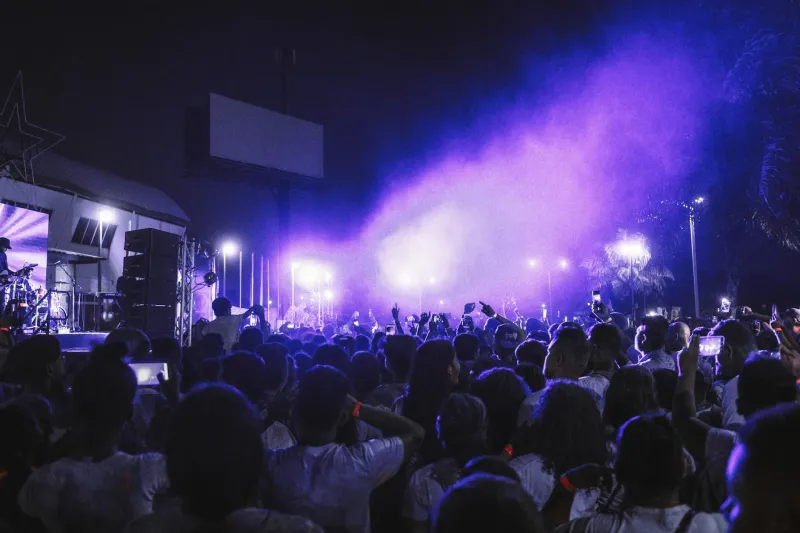
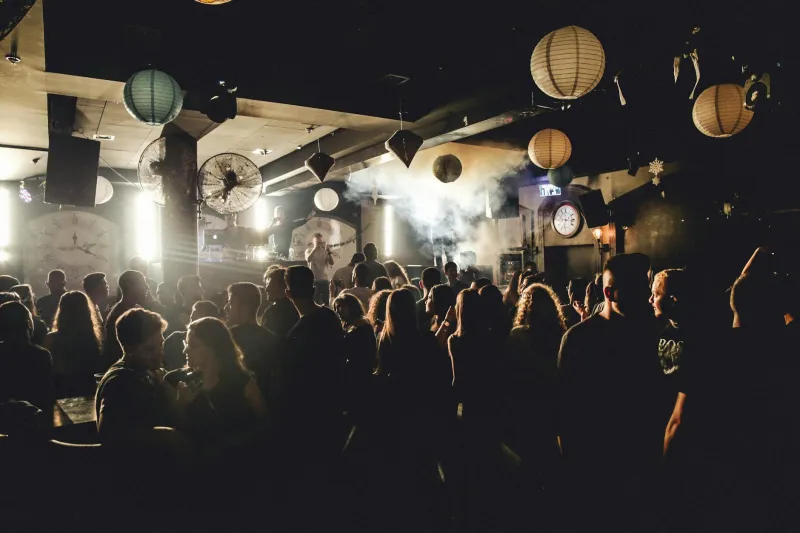
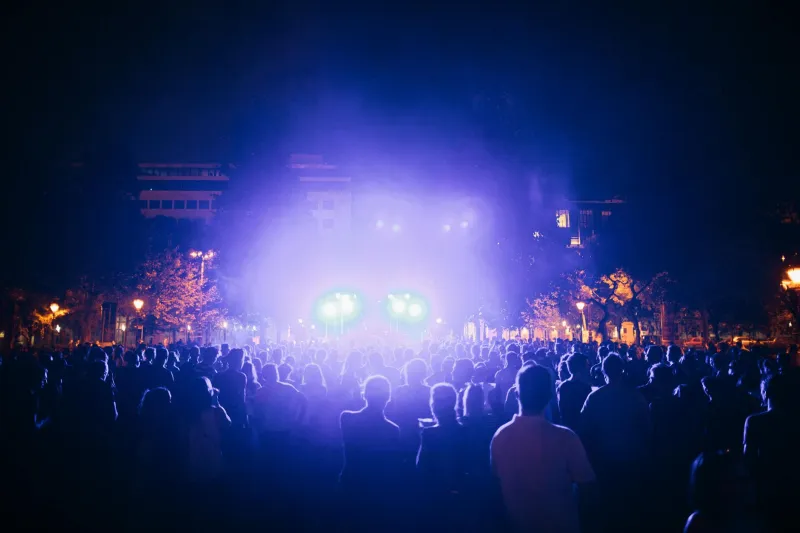
The rise of hyperlocal festivals, community-organised events, and grassroots celebrations shows that this isn't just about big commercial enterprises. From village green concerts to warehouse raves, from folk festivals to electronic music gatherings, the British instinct to create temporary communities of celebration is stronger than ever.
The Eternal Return
Perhaps what makes British festival culture so special is this deep understanding that celebration isn't frivolous – it's essential. Our ancestors knew that communities needed regular opportunities to come together, to share stories, to dance, to remember what connects us all.
In an age of digital connection but physical isolation, festivals serve the same vital function they always have: they remind us we're not alone. They create temporary worlds where different rules apply, where strangers become friends, where the impossible feels possible.
From those first fires lit at Stonehenge to the LED screens of Creamfields, from medieval market squares to modern festival fields, the story continues. We gather because we must. We celebrate because it's who we are. And from now on, that's never going to change.
The future of British festival culture isn't just bright – it's inevitable. It's written in our stones, our songs, and our souls.