When Wasteland Becomes Wonderland
Standing in Worthy Farm's green fields today, it's nearly impossible to imagine this Somerset dairy farm as anything other than the spiritual home of British festival culture. Yet just fifty-four years ago, Michael Eavis was simply a farmer wondering how to make ends meet. The transformation from working farmland to Glastonbury Festival's hallowed ground represents something profound about Britain's relationship with its landscape – and our ability to reimagine forgotten spaces as stages for collective joy.
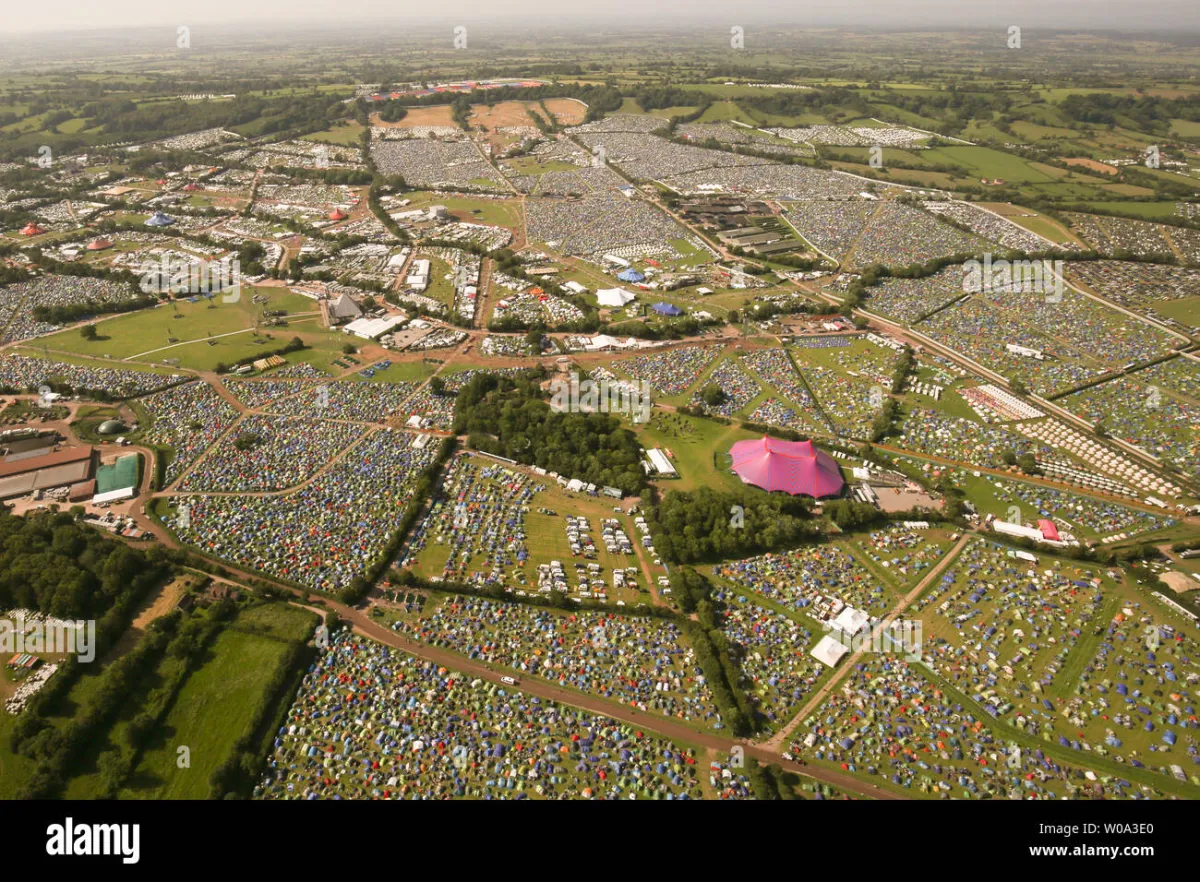 Photo: Worthy Farm, via c8.alamy.com
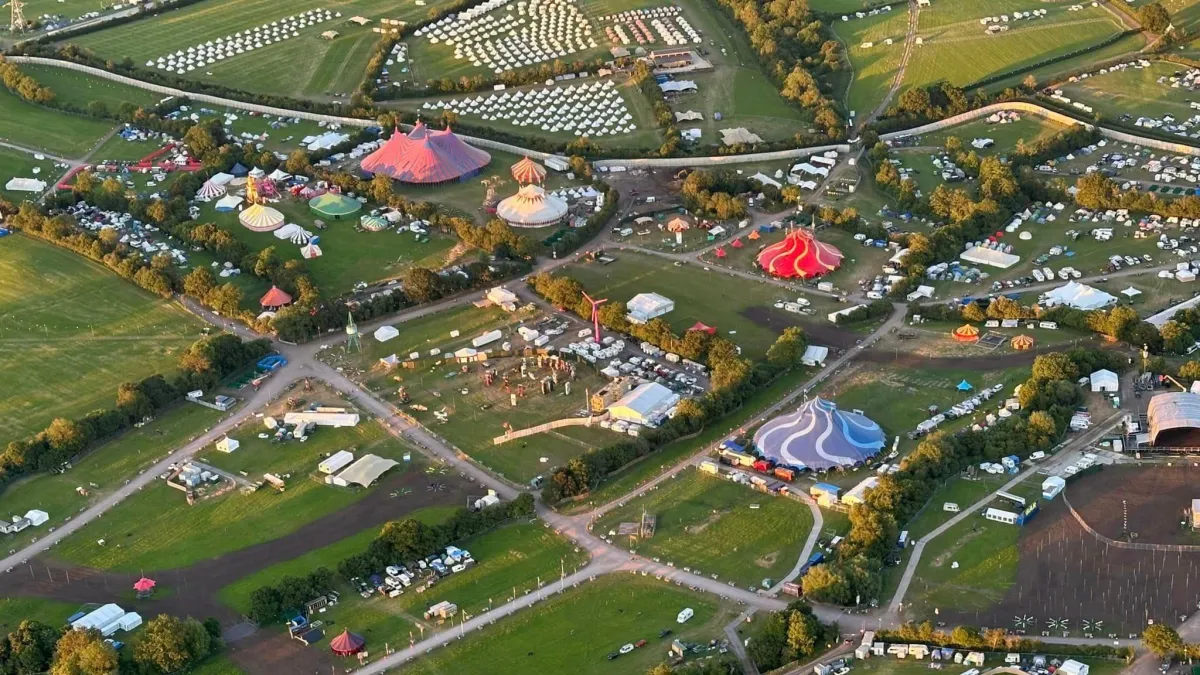 Photo: Glastonbury Festival, via ichef.bbci.co.uk
Across the UK, similar stories unfold. The quarry that became Download Festival's Donington Park. The former RAF base that hosts Latitude. The Yorkshire Dales farmland that transforms into Kendal Calling's mountain-backed amphitheatre. These aren't just venue changes – they're cultural archaeology, revealing how Britain's most beloved festival sites emerged from the most unlikely beginnings.
The Alchemy of Abandoned Places
Take Shambala Festival's Kelmarsh Hall estate in Northamptonshire. What began as neglected parkland surrounding a Georgian manor has become a laboratory for sustainable festival culture. Site manager Jenny Walsh recalls the early days: "The land was essentially forgotten – overgrown, underused, carrying decades of agricultural chemicals. Now it's a showcase for regenerative farming practices, with soil that's healthier than it's been in generations."
This pattern repeats across Britain's festival circuit. Boomtown's Winchester site was industrial wasteland before becoming a four-day utopia of constructed chaos. The transformation required not just vision but genuine collaboration between promoters, landowners, and local communities who'd watched these spaces gather dust for decades.
"Festival culture has this remarkable ability to see potential where others see problems," explains Dr. Sarah Mitchell, a cultural geographer at Leeds University who studies festival site development. "These temporary cities create permanent change – not just economically, but in how communities understand their own landscape."
Roots Run Deep
The emotional transformation runs as deep as the physical one. Ask any seasoned festivalgoer about their 'home' festival, and they'll describe the land itself with startling intimacy. The hill at Green Man where the sunset hits just right. The woodland path at End of the Road that becomes a pilgrimage route. The field at Y Not Festival where countless friendships began.
Local historian Margaret Thompson has documented Latitude Festival's impact on Henham Park in Suffolk since its 2006 inception. "The estate had been largely private for centuries," she notes. "Suddenly, tens of thousands of people were walking these paths, swimming in the lake, camping under trees that had stood here since the 1700s. It democratised a landscape that had been locked away."
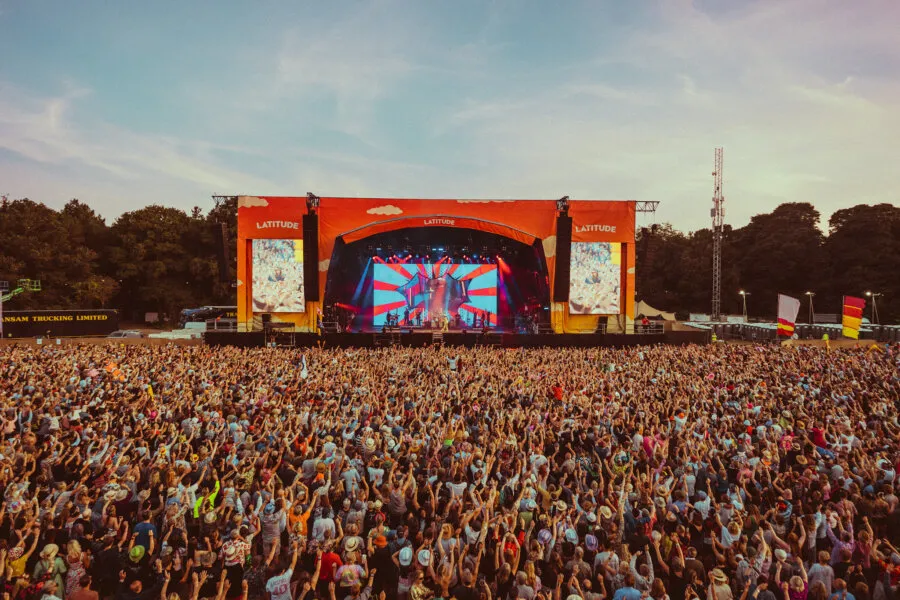 Photo: Latitude Festival, via www.latitudefestival.com
This democratisation extends beyond the festival weekends. Many sites now host year-round community events, educational programmes, and conservation projects. The infrastructure built for festivals – improved access roads, enhanced utilities, careful environmental management – benefits local communities long after the stages are dismantled.
Building Tomorrow's Cultural Landmarks
The most exciting developments are happening at newer festival sites, where organisers are designing with long-term cultural impact from day one. Lost Village Festival's Lincolnshire site incorporates permanent art installations that evolve throughout the year. The infrastructure doubles as educational spaces for local schools, teaching everything from renewable energy to land management.
"We're not just borrowing the land for a weekend," explains Lost Village co-founder James Eld. "We're entering into a decades-long conversation with the place itself. Every decision we make considers how this site will look and feel in twenty years."
This forward-thinking approach is reshaping how we understand festival venues. They're becoming cultural landmarks in their own right – spaces that exist in the collective imagination even when empty, carrying the accumulated energy of countless shared experiences.
The Ripple Effect
Perhaps most remarkably, these transformed spaces are inspiring broader changes in how Britain thinks about land use and community gathering. Village halls are booking more live music. Farmers are exploring agritourism. Abandoned industrial sites are being reimagined as community assets rather than development opportunities.
The festival venue transformation represents something quintessentially British – our genius for making the temporary feel eternal, for finding magic in the mundane, for creating sacred spaces through shared experience rather than ancient decree.
From Now On
As we look toward the future of British festival culture, these transformed landscapes remind us that the most powerful changes often happen gradually, imperceptibly, until suddenly we realise that empty fields have become the cathedrals of our collective memory. From now on, these won't just be venues – they'll be the places where Britain wrote its cultural future, one festival season at a time.
The next time you stand in a festival field, take a moment to imagine what came before. Chances are, you're standing on ground that was once forgotten, now forever changed by the simple act of people gathering to celebrate music, community, and the endless possibility of transformation.