Dawn Breaks, Hearts Open
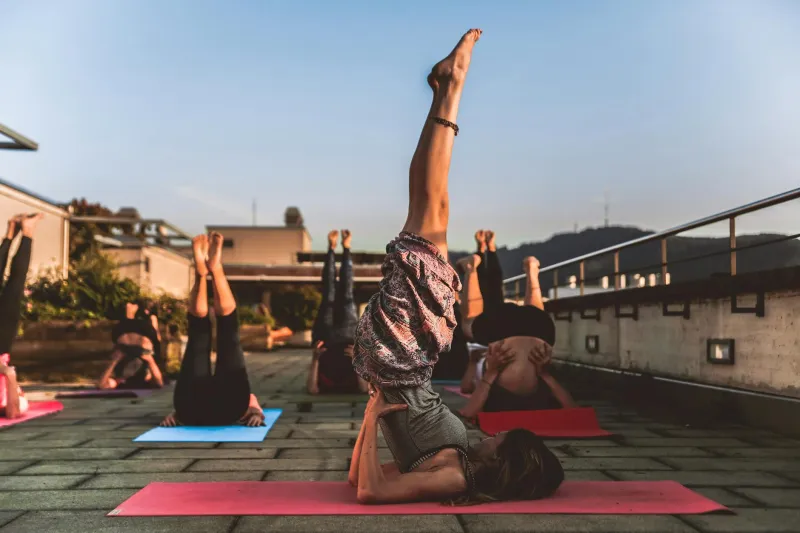
The sun hasn't yet burned through the morning mist at Latitude Festival, but already a circle of twenty souls are moving through their sun salutations on the dew-soaked grass. Led by instructor Maya Patel, whose voice carries the gentle authority of someone who's found peace in chaos, this 7am yoga session has become one of the weekend's most sought-after experiences.
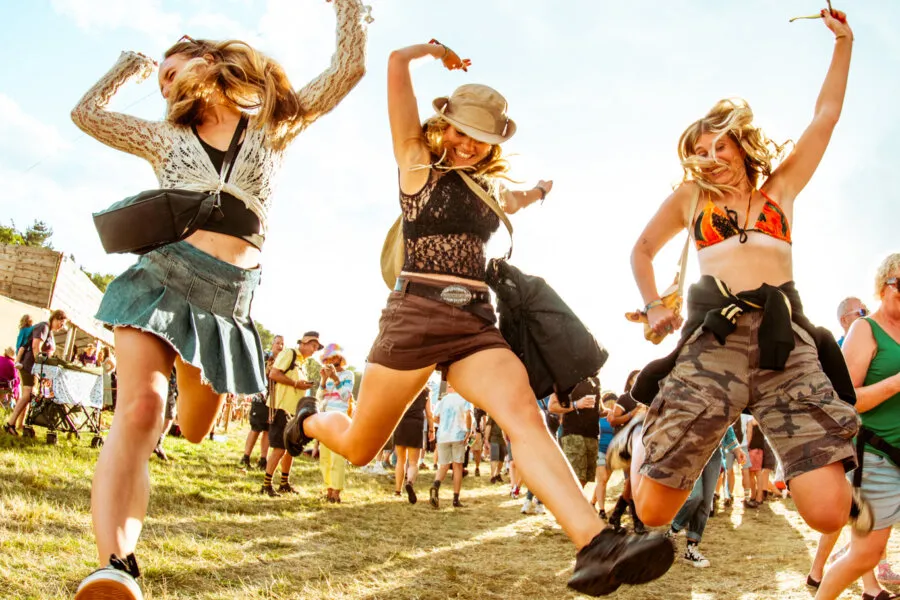 Photo: Latitude Festival, via www.latitudefestival.com
"Five years ago, people thought we were mad suggesting dawn yoga at a music festival," Maya recalls, adjusting a participant's warrior pose. "Now we're booked solid within hours of tickets going on sale. People are craving this balance."
This isn't your typical festival scene. No beer cans, no cigarette butts, just the quiet rustle of yoga mats and the distant sound check from the main stage. It's a microcosm of a larger transformation happening across Britain's festival landscape – the rise of wellness culture as a central, not peripheral, part of the experience.
The Healing Fields
Walk through any major UK festival today and you'll find them: the wellness villages that have sprung up like mushrooms after rain. Shambala's "Healing Fields" covers three acres with everything from Reiki healing to sound baths. Green Man's "Mindful Valley" offers meditation workshops alongside mental health first aid. Even the more hedonistic festivals like Boomtown now feature dedicated wellness areas where ravers can reset between sets.
"We're not trying to replace the traditional festival experience," explains Dr. Rachel Morrison, who consults with festivals on wellness programming. "We're adding depth to it. People want to feel transformed by their festival experience, not just entertained."
The statistics support this shift. A 2024 survey by the Association of Independent Festivals found that 73% of festival-goers under 30 actively seek out wellness activities during their weekend, while 85% said mental health support was important when choosing which festivals to attend.
Beyond the Om
But this isn't just about yoga and meditation. The wellness revolution encompasses everything from ice baths and breathwork to art therapy and digital detox spaces. At End of the Road Festival, the "Reset Tent" offers phone-free zones where festival-goers can engage in analog activities – reading, drawing, actual conversation – without the constant ping of notifications.
"People arrive at festivals carrying the stress of their daily lives," notes wellness coordinator Sam Chen, who's worked with festivals across the UK. "They need space to decompress, to reconnect with themselves and others in a meaningful way."
The cold water therapy trend, popularised by the likes of Wim Hof, has found its way into festival culture through pop-up ice bath experiences. At Wilderness Festival, queues form at 6am for the chance to plunge into freezing water while overlooking the Oxfordshire countryside – a far cry from the traditional festival wake-up routine of aspirin and instant coffee.
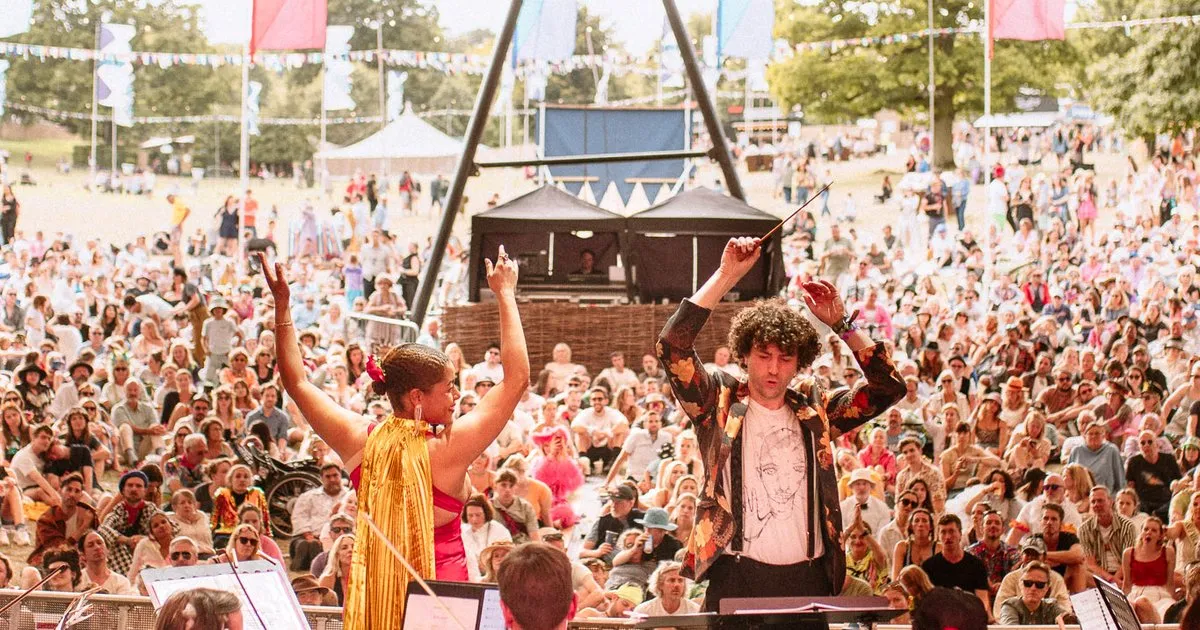 Photo: Wilderness Festival, via d3nnbxax8ziilb.cloudfront.net
The Mental Health Revolution
Perhaps most significantly, festivals are finally addressing mental health with the seriousness it deserves. The tragic deaths at festivals in recent years sparked a industry-wide reckoning about duty of care, leading to comprehensive mental health support becoming standard rather than optional.
Festival Medical Services now routinely includes trained mental health first aiders alongside traditional medical staff. The charity CALM (Campaign Against Living Miserably) has partnered with major festivals to provide on-site support, while apps like "Festival Safe Space" allow attendees to quickly access help when they need it.
"We've moved beyond just keeping people physically safe," explains Emma Thompson, head of welfare at several major UK festivals. "We're creating environments where people can be emotionally vulnerable, spiritually open, and mentally healthy. That's what true festival culture should be about."
The Economics of Enlightenment
The wellness boom isn't just good for souls – it's good for business. Festival-goers spending money on wellness experiences tend to stay longer, spend more overall, and return year after year. The average festival-goer who attends wellness activities spends 35% more during their weekend than those who don't, according to industry research.
This has led to festivals partnering with established wellness brands and practitioners. Lululemon sponsors yoga spaces, meditation app Headspace provides guided sessions, and high-end spas offer festival pop-ups complete with massage tents and organic skincare treatments.
Generational Shift
The driving force behind this transformation is generational. Millennials and Gen Z festival-goers have grown up with mental health awareness, self-care culture, and a more holistic approach to wellbeing. They're not interested in the "work hard, party harder" mentality that defined previous generations of festival culture.
"My mum's generation went to festivals to escape reality," observes 24-year-old festival regular Zoe Williams. "My generation goes to festivals to enhance reality, to become better versions of ourselves. The music is still central, but we want the whole experience to nourish us."
This shift is reflected in social media, where festival Instagram posts increasingly feature yoga poses and meditation circles alongside the traditional stage shots and artist selfies. The hashtag #festivalmindfulness has over 100,000 posts and counting.
The Purists Push Back
Not everyone's convinced. Festival purists argue that the wellness trend is commercialising and sanitising what should be a raw, rebellious experience. "Festivals used to be about losing control, not finding your centre," grumbles one veteran festival-goer on a popular music forum.
But even the critics acknowledge that the wellness integration has made festivals more inclusive. Parents feel comfortable bringing older children to events with strong wellness programming, while people in recovery from addiction find community and support in sober wellness spaces.
Sound Healing and Sacred Geometry
Some of the most popular wellness experiences blur the line between ancient practice and modern innovation. Sound bath sessions, where participants lie on mats while practitioners play crystal bowls and gongs, regularly sell out at festivals. The combination of acoustic healing and outdoor settings creates experiences that participants describe as transcendent.
"There's something magical about hearing healing frequencies while you can feel the bass from the main stage vibrating through the ground," explains sound healer Marcus Reid. "It's like the festival is holding space for every aspect of human experience."
The Future Feels Balanced
As we look toward the future of British festival culture, the integration of wellness seems not just permanent but accelerating. New festivals are launching with wellness as a core component rather than an add-on, while established events are dedicating increasing space and resources to holistic experiences.
"We're not replacing the traditional festival experience," Maya Patel reflects, packing up her yoga mats as the first bands begin their sound checks. "We're deepening it. People leave our sessions feeling more connected to the music, to each other, to themselves. That's what festivals have always been about – transformation."
In a world that often feels fractured and overwhelming, perhaps the most radical thing you can do at a festival is indeed to take care of yourself. From now on, the future of festival culture looks not just louder and wilder, but wiser and more whole. The healing has already begun.