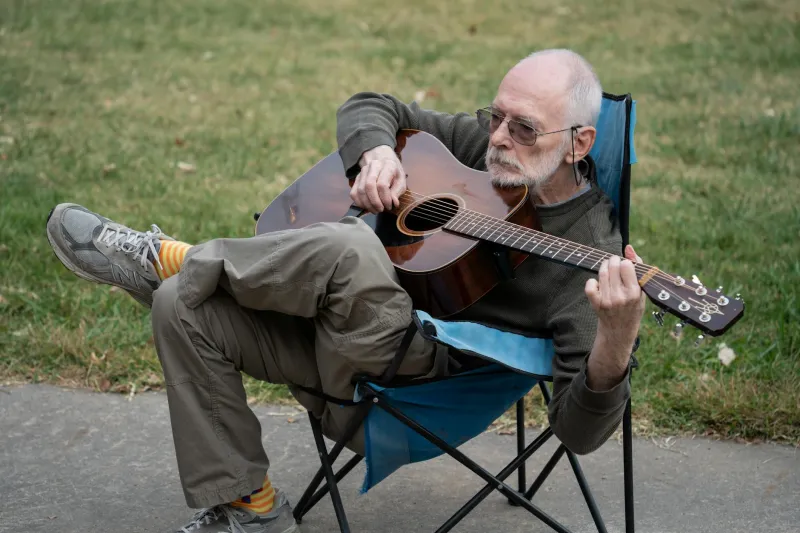
Sarah Chen hadn't touched her guitar for three years when the email arrived. Would she be interested in playing the acoustic tent at a small festival in the Cotswolds? The very idea made her stomach clench. The last time she'd performed live, she'd walked off stage mid-song at a London venue, overwhelmed by panic and the crushing weight of an industry that had chewed her up and spat her out.
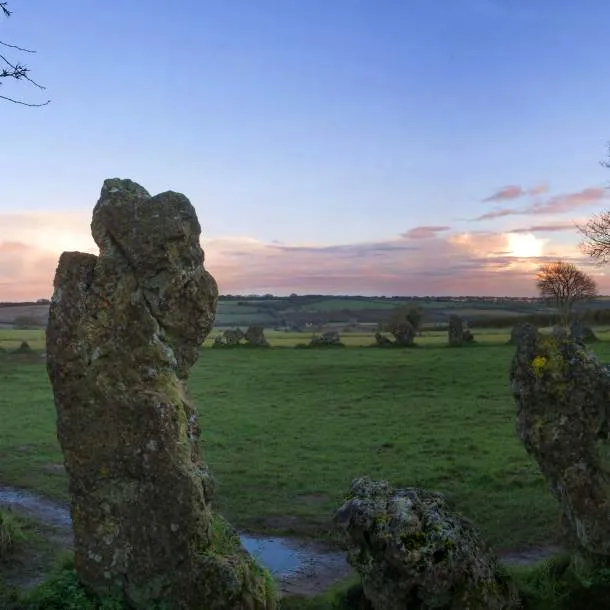 Photo: the Cotswolds, via assets.simpleviewinc.com
But something about the invitation felt different. No pressure about ticket sales, no demands for social media content, just a simple question: would you like to share your music again?
Six months later, Sarah stood on that same Cotswolds stage, tears streaming down her face as a crowd of 200 strangers sang along to songs she'd written in her darkest moments. It wasn't the comeback she'd planned – it was something far more precious.
The Healing Power of Small Stages
Sarah's story isn't unique. Across Britain's festival circuit, a quiet revolution is taking place. Festivals aren't just showcasing the next big thing – they're becoming sanctuaries for artists who lost their way, offering second chances wrapped in fairy lights and powered by genuine community spirit.
"The festival environment is fundamentally different from the traditional music industry," explains Dr. Rebecca Martinez, a music therapist who works with recovering musicians. "There's less commercial pressure, more emphasis on authentic connection. For artists who've been traumatised by the industry machine, festivals can feel like coming home."
Take Marcus Thompson, once the frontman of a moderately successful indie band that imploded spectacularly in 2018 amid mental health struggles and label disputes. After two years of silence, he tentatively approached Folk by the Oak with a solo acoustic set.
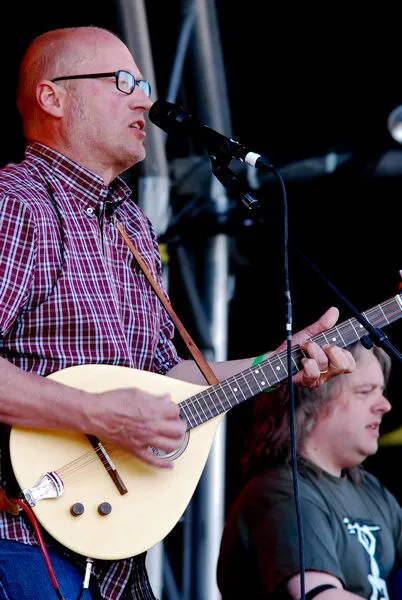 Photo: Folk by the Oak, via images.ukfestivalguides.com
"I was terrified," Marcus admits, sitting in his Brighton flat surrounded by instruments he'd only recently started playing again. "But something about festivals feels safer. The audience is there for the experience, not to judge. They're more forgiving, more present."
Beyond the Bright Lights
The festival circuit's embrace of returning artists reflects a broader cultural shift. Where the mainstream industry often treats musicians as disposable commodities, festivals value storytelling, authenticity, and the kind of hard-won wisdom that only comes from surviving the music business.
Jenny Walsh, programming director for several boutique festivals across the UK, actively seeks out artists making comebacks. "Some of our most powerful performances come from musicians who've been through the wringer," she says. "They have something to prove – not to industry executives, but to themselves."
This philosophy is reshaping how festivals approach their lineups. Alongside emerging artists and established headliners, there's growing space for what industry insiders call 'phoenix acts' – artists rising from their own ashes with renewed purpose.
The Support Network
What makes these comebacks possible isn't just sympathetic programming – it's the infrastructure of care that festivals are building around vulnerable artists. Many now offer pre-performance counselling, quiet spaces for anxiety management, and flexible scheduling that accommodates mental health needs.
"We had one artist who hadn't performed in five years due to severe stage fright," recalls Emma Davies, welfare coordinator at a prominent Welsh festival. "We arranged for them to play at 2pm on a smaller stage, with their therapist side-stage if needed. By the end of their set, they were asking about next year."
These accommodations aren't just good karma – they're good business. Authentic, emotionally resonant performances create the kind of word-of-mouth buzz that money can't buy. Festival-goers increasingly value genuine moments over polished spectacle.
The Ripple Effect
The impact extends far beyond individual artists. When established musicians openly discuss their struggles and returns, it destigmatises mental health challenges across the industry. It also creates a more sustainable model for artistic careers – one that acknowledges that creativity isn't always linear.
"Seeing artists comeback from rock bottom gives everyone permission to be human," observes music journalist Tom Bradley, who's chronicled several high-profile returns to the festival circuit. "It changes the conversation from 'you're only as good as your last hit' to 'every artist deserves multiple chapters in their story.'"
For younger musicians watching from the sidelines, these comeback stories provide crucial perspective. The festival circuit demonstrates that artistic failure isn't final, that there's life after industry rejection, that sometimes stepping away is the bravest thing you can do.
Finding the Right Moment
Not every comeback attempt succeeds, and festival organisers are learning to read the signs. The most successful returns happen when artists are genuinely ready, not when they're trying to recapture past glory or escape current problems.
"You can usually tell within the first few bars whether someone's truly back or just going through the motions," says veteran sound engineer Pete Collins, who's worked hundreds of festival stages. "The ones who've done the work – on themselves, their craft, their relationship with music – they have this presence that's impossible to fake."
The festival environment also allows for gradual re-entry. Artists can test the waters with smaller slots, build confidence through positive audience response, and slowly work their way back to larger stages if they choose.
The Long Game
For Sarah Chen, that Cotswolds performance was just the beginning. She's now played dozens of festivals across the UK, released an album about her journey, and become an advocate for musician mental health. But she's also learned to pace herself, to say no when she needs to, to prioritise her wellbeing over career momentum.
"The festival circuit taught me that success doesn't have to look like what the industry tells you it should look like," she reflects. "Sometimes the most revolutionary thing you can do is simply survive, heal, and share your truth."
As Britain's festival landscape continues to evolve, these stories of redemption and renewal are becoming central to its identity. In a world that often feels disposable and ruthless, festivals are proving that second chances aren't just possible – they're essential.
The stages are waiting, the communities are welcoming, and the music – scarred but stronger – plays on.