Silver Linings and Golden Oldies: Why Experience is Britain's Best Festival Currency
Cheryl Morrison's festival CV reads like a music lover's dream. Glastonbury 1987 ("when you could still get tickets on the gate"), Reading Festival throughout the grunge years, countless indie weekenders across the 90s and 2000s. At 58, she's not slowing down – she's speeding up.
"Last year I did seven festivals," she laughs, scrolling through photos on her phone from Latitude, Green Man, and End of the Road. "My kids think I've lost my mind. I tell them I'm just getting started."
Cheryl represents a growing tribe of British festival-goers who refuse to accept that live music has an expiry date. Across the UK, the over-50s are claiming their space in the field, proving that passion for music doesn't diminish with age – it just gets more selective, more appreciative, and arguably more fun.
Breaking the Age Barrier
The statistics tell a remarkable story. According to recent industry data, the 45-64 age group now represents nearly 30% of UK festival attendance, up from just 15% a decade ago. These aren't nostalgic one-offs returning to relive their youth – they're seasoned music lovers treating festivals as an essential annual pilgrimage.
"The assumption that festivals are inherently youthful is complete nonsense," argues Dr. Helen Patterson, a sociologist studying leisure patterns in later life. "Music appreciation actually deepens with age. Older festival-goers often have more sophisticated taste, more disposable income, and crucially, more time to actually enjoy the experience."
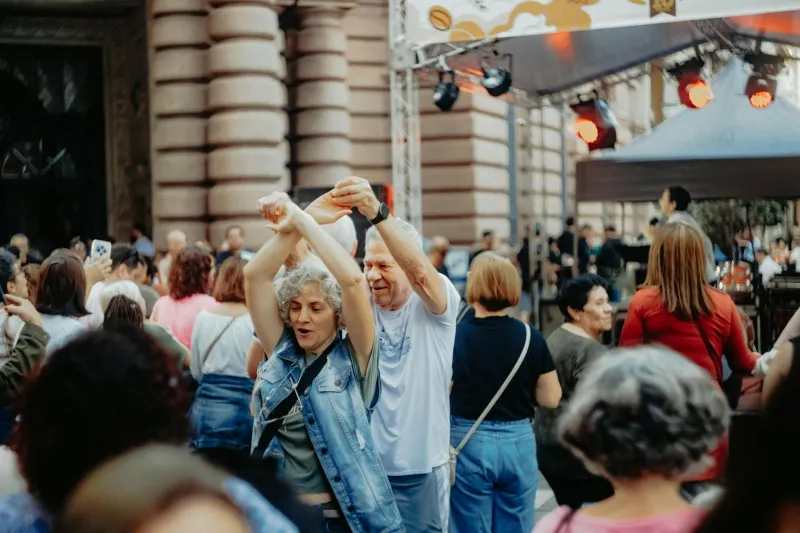
Take Graham Roberts, 63, a retired teacher from Sheffield who discovered drum and bass at Boomtown Fair three years ago. "I'd never heard anything like it," he grins. "My granddaughter couldn't believe her granddad was raving until 4am. But why shouldn't I? The music doesn't care how old I am."
The Wisdom of Experience
What older festival-goers bring isn't just enthusiasm – it's institutional knowledge. They remember when festivals were smaller, scrappier affairs. They understand the unspoken rules, the community etiquette, the art of pacing yourself across a long weekend.
"The older crowd are often the best festival neighbours," observes Lucy Chen, who runs a popular festival camping group. "They pack properly, they're considerate with noise, and they always have the right equipment. Plus, they've seen enough headliners to know when something special is happening."
This experience translates into a different kind of festival behaviour. Older attendees are more likely to discover new artists, spend time in smaller tents, engage with non-music activities. They're not just there for the Instagram moment – they're there for the full cultural experience.
Adapting to All Ages
Smart festivals are recognising this demographic shift and adapting accordingly. Wilderness Festival in Oxfordshire pioneered luxury camping options that appeal to festival-goers who want the experience without the physical hardship. Green Man Festival in Wales offers family-friendly programming that works for multi-generational groups.
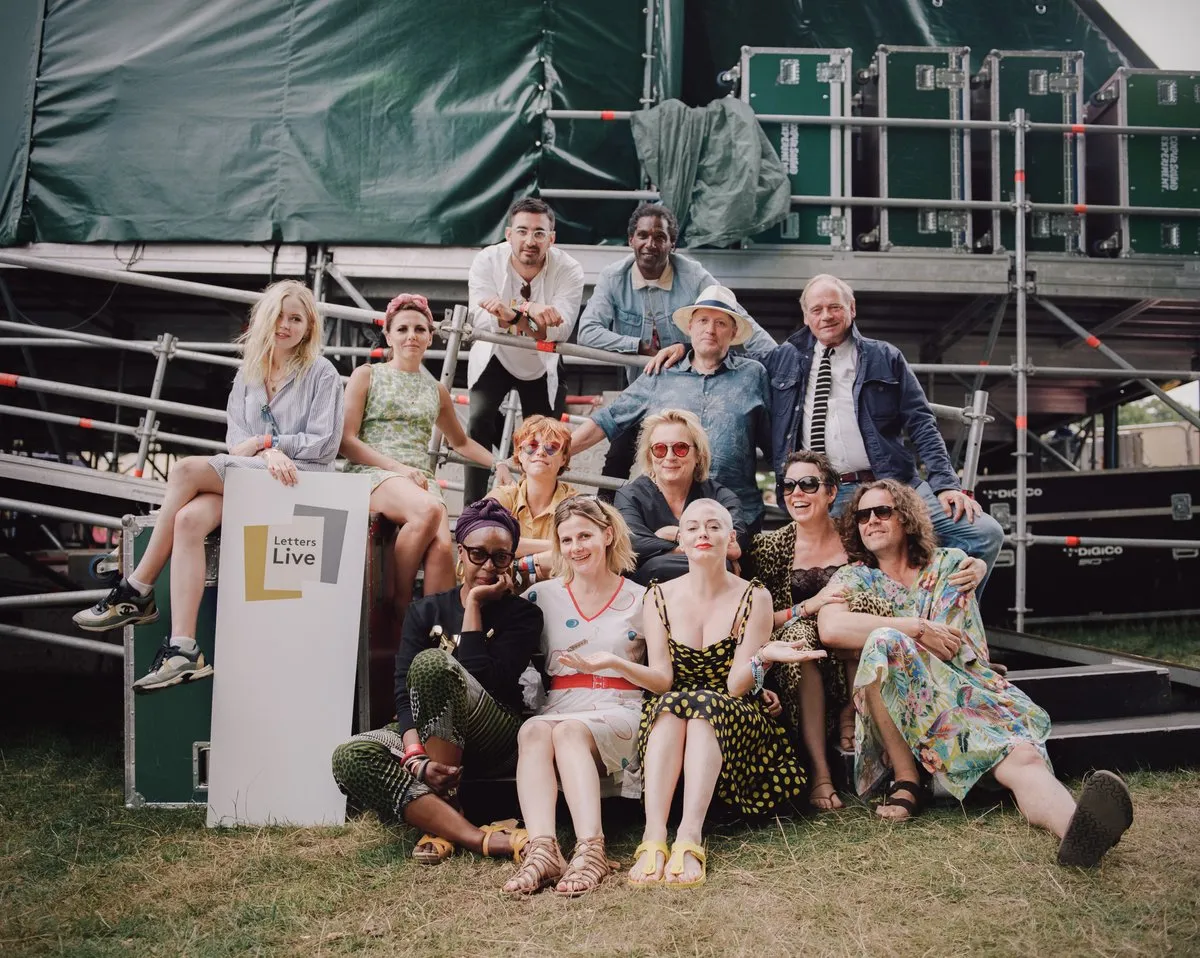 Photo: Wilderness Festival, via d3nnbxax8ziilb.cloudfront.net
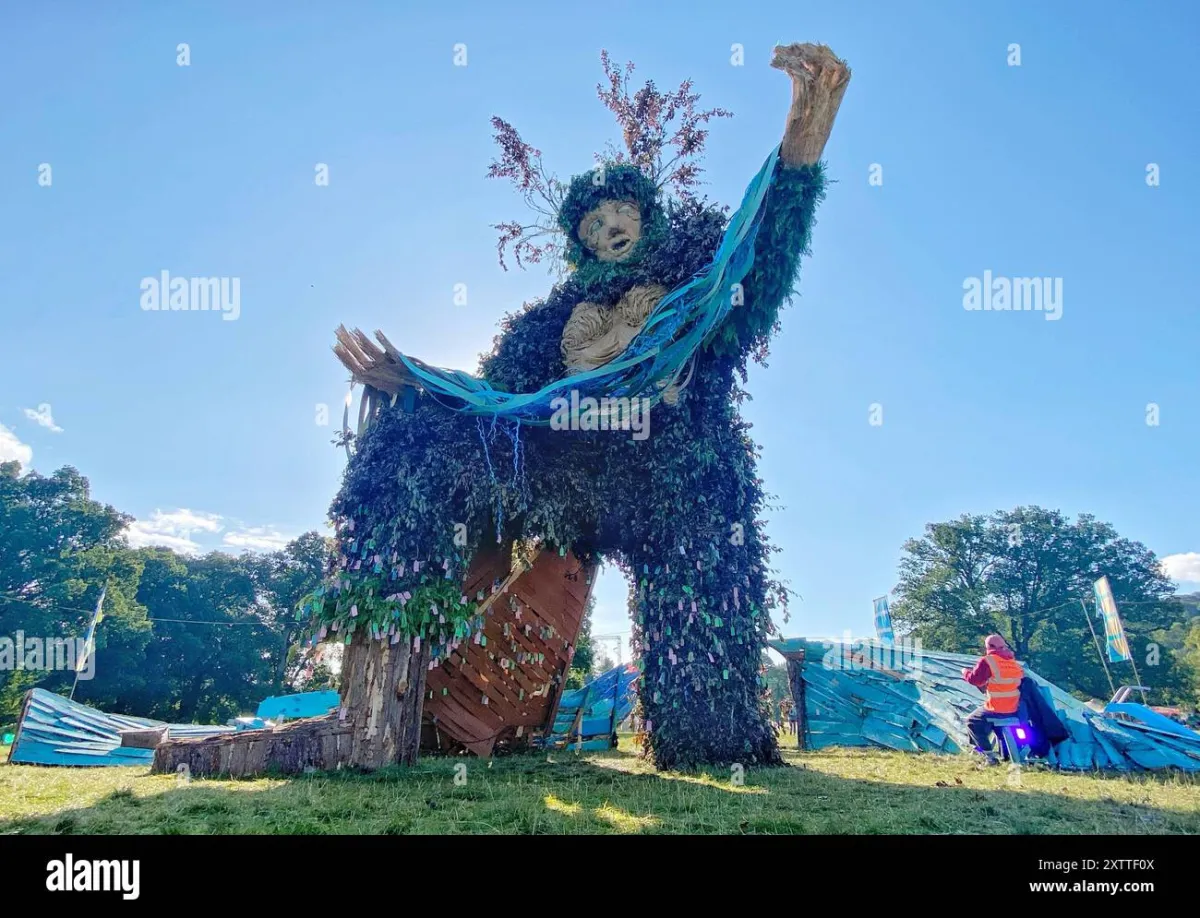 Photo: Green Man Festival, via c8.alamy.com
"We've seen grandparents bringing teenagers, middle-aged friends reuniting for weekend adventures, couples rediscovering shared passions," says festival director Sarah Johnson. "The energy these older attendees bring is incredible – they're not jaded, they're grateful."
Some festivals have gone further, creating specific programming for mature audiences. The Cambridge Folk Festival has long celebrated veteran performers alongside emerging talent. Latitude's literature and comedy offerings attract audiences who might find a pure music festival overwhelming.
The Physical Reality
Of course, festival life after 50 comes with practical considerations. Bodies that could once handle three days on minimal sleep and questionable nutrition now require more strategic planning. But rather than deterring older attendees, this has led to creative solutions.
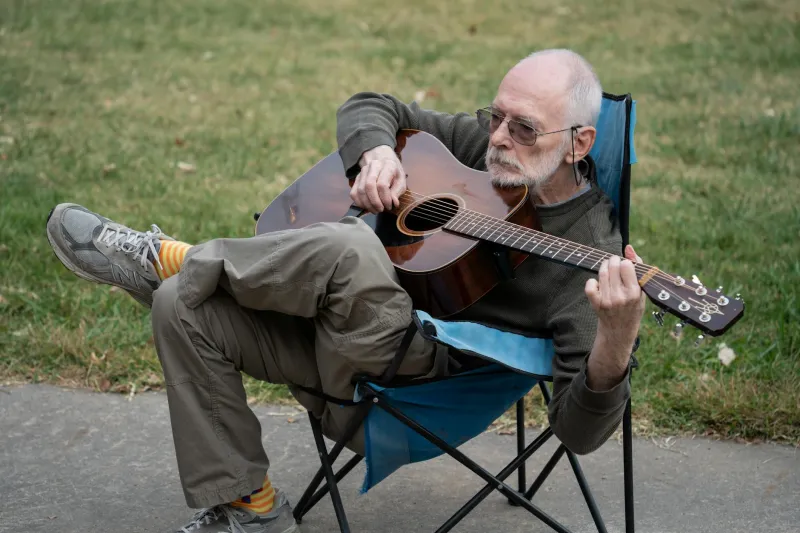
"I've upgraded my camping game significantly," admits Janet Williams, 55, a regular at multiple UK festivals. "Proper sleeping mat, camp chair, a decent gazebo. I'm not trying to prove I'm still 20 – I'm trying to enjoy myself properly."
The rise of glamping, boutique festivals with better facilities, and day-ticket options has made festivals more accessible to older bodies without compromising the essential experience. Some festivals now offer quiet camping zones, earlier music programming, and better food options that cater to dietary requirements.
Challenging Stereotypes
Perhaps most importantly, the presence of older festival-goers challenges ageist assumptions about who gets to occupy cultural spaces. In a society that often sidelines older voices, festivals become sites of resistance.
"There's this idea that once you hit 50, you should be content with dinner parties and garden centres," says music critic and festival veteran Tom Bradley, 52. "But why? Music doesn't stop being transformative because you've got grey hair. If anything, you appreciate it more because you know how precious these experiences are."
The intergenerational mixing that happens at festivals benefits everyone. Young attendees gain perspective from older music fans who've witnessed decades of cultural evolution. Older festival-goers stay connected to contemporary culture and discover new artists they might otherwise miss.
The Future is Ageless
As Britain's population ages and people retire with better health and more active lifestyles, the festival industry is adapting to serve this growing market. This isn't about creating segregated "seniors" events – it's about recognising that good music, community spirit, and cultural celebration appeal to humans regardless of their birth year.
"The best festivals have always been about bringing different worlds together," reflects Cheryl Morrison, planning her 2024 festival calendar. "Age diversity is just another layer of that magic. When you're all singing along to the same song, covered in mud and filled with joy, who cares how old anyone is?"
The presence of older festival-goers also sends a powerful message about the longevity of music culture. These aren't tourists visiting a young person's world – they're lifers who helped build this world and have every right to continue inhabiting it.
As Britain's festival scene continues to evolve and expand, one thing becomes clear: the future of live music isn't just about the next generation of artists and audiences. It's about creating spaces where passion for music can flourish across every stage of life, where experience is valued alongside enthusiasm, and where the fields welcome everyone ready to dance, regardless of how many birthdays they've celebrated.
After all, the best festivals aren't about age – they're about attitude. And Britain's over-50s are proving they've got plenty of both.