The Art of the Unknown
In a cramped Portakabin backstage at Reading Festival, Jess Martinez is having what she calls "the conversation." Across from her sits a nervous 19-year-old from Middlesbrough whose band has exactly 847 monthly Spotify listeners and a dream that feels impossibly large. In thirty minutes, they'll play to 200 people on the BBC Introducing stage. In five years, if Jess has called it right, they might be headlining the main stage.
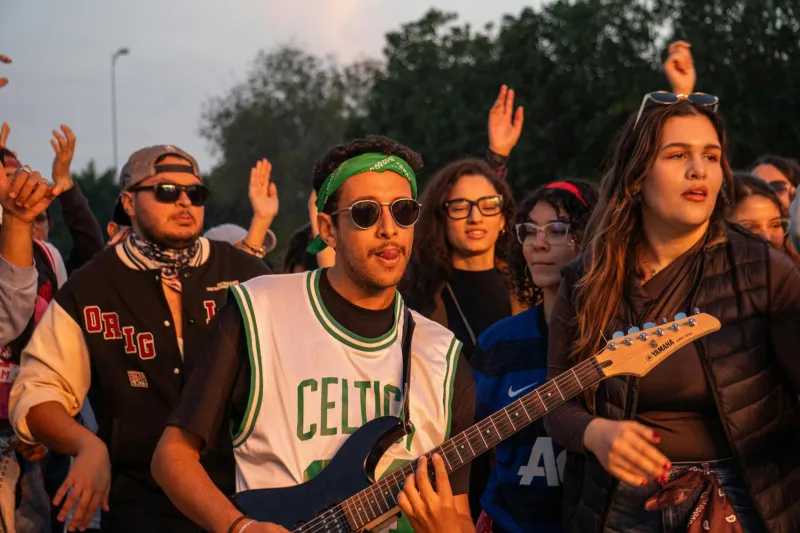
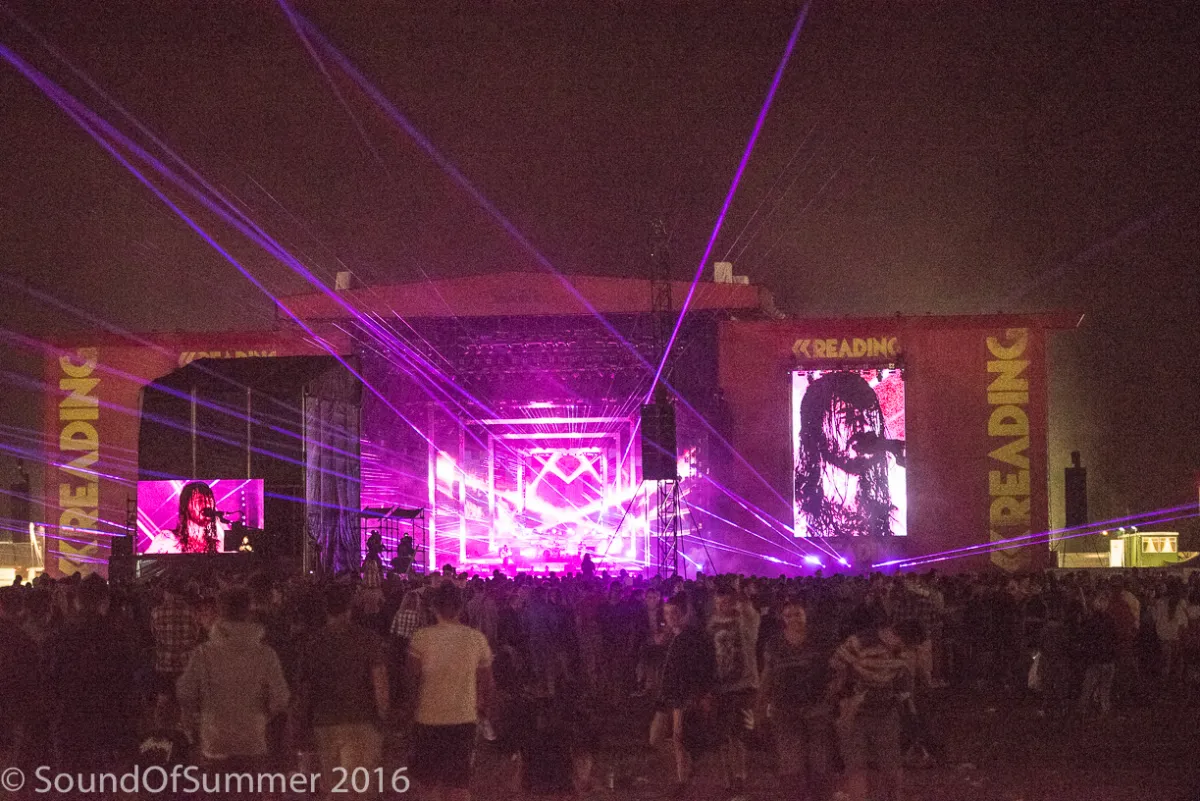 Photo: Reading Festival, via louderthanwar.com
"People think programming is about spreadsheets and logistics," Jess laughs, gesturing to the chaos of cables and coffee cups surrounding her. "But really, it's about that feeling in your gut when you hear something special. It's about believing in artists before anyone else does."
Jess has been programming the emerging talent stages at major UK festivals for eight years. Her track record reads like a who's who of British music: she booked Wolf Alice for a 2pm slot at Latitude three years before they won the Mercury Prize, spotted Arlo Parks busking in South London, and gave Fontaines D.C. their first festival break when they were still playing above pubs in Dublin.
Beyond the Algorithm
While streaming platforms rely on data and major labels follow market research, festival programmers like Jess operate on something far more human: instinct, community knowledge, and an almost supernatural ability to spot talent in its rawest form.
"I get sent 500 demos a week," explains Tom Richardson, who programmes the new music tent at Green Man Festival. "But the acts that really catch my attention? They're usually the ones recommended by someone I trust – a sound engineer who's worked with them, a venue owner who's seen them live, another artist who's shared a bill with them."
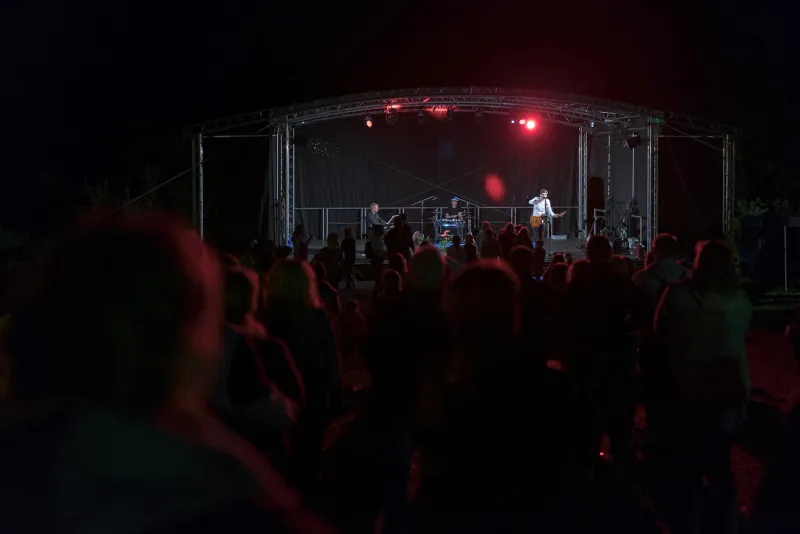
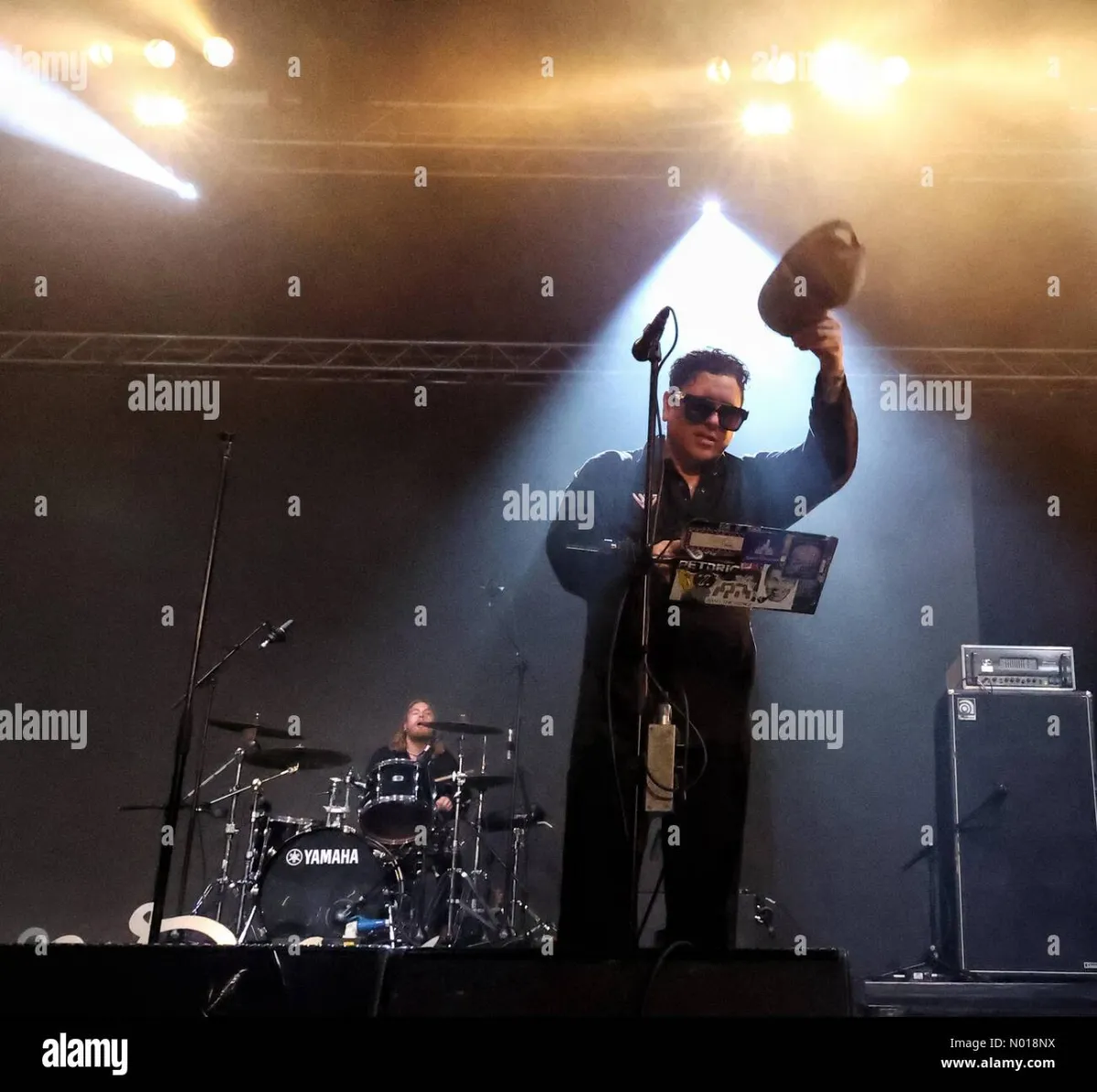 Photo: Green Man Festival, via c8.alamy.com
This network of trust and recommendation forms the backbone of Britain's music discovery ecosystem. Unlike the corporate machinery of major label A&R, festival programming remains beautifully, chaotically human.
The Regional Scouts
Drive north to Leeds, and you'll find Amira Patel in her element at the Brudenell Social Club, notebook in hand, watching a band most people have never heard of tear through a 45-minute set to 30 devoted fans. As the programmer for several northern festivals, Amira knows that the next big thing is just as likely to emerge from a Yorkshire pub as a London showcase.
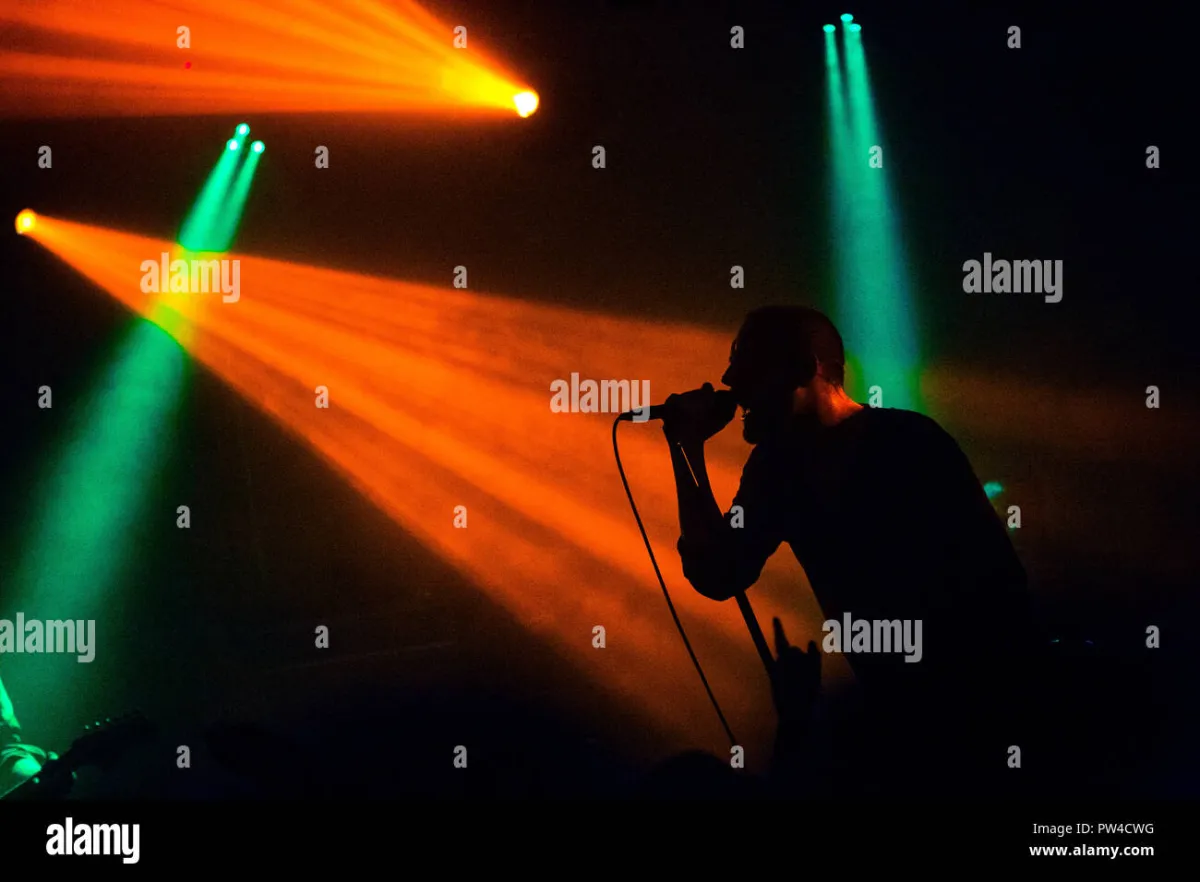 Photo: Brudenell Social Club, via c8.alamy.com
"The regions are where the real innovation happens," Amira insists. "These artists aren't trying to fit into any scene or follow any trend – they're just making music that reflects their reality, their community. That authenticity is what festival crowds crave."
Amira's discoveries tell the story of modern British music: Yard Act, whose post-punk poetry captured the absurdity of modern life; Dry Cleaning, whose deadpan observations became anthems for a generation; Squid, whose experimental approach proved that weird can be wonderful.
The Economics of Faith
Programming emerging talent isn't just about artistic vision – it's about making impossible budgets work. Most new music stages operate on shoestring budgets that would make major label executives weep, relying on the goodwill of artists willing to play for travel expenses and the promise of exposure.
"I've booked bands for £200 who went on to sell out arenas," admits Chris Walker, who programmes several boutique festivals across the South West. "It sounds exploitative, but these artists understand the game. A good festival slot can change everything – it's their investment in their future."
This economic reality creates a unique ecosystem where artistic merit often trumps commercial considerations. Without the pressure to guarantee ticket sales, programmers can take risks on experimental acts, genre-bending artists, and musicians whose appeal might not be immediately obvious.
The Human Touch
What sets these programmers apart in an increasingly algorithmic world is their commitment to human curation. While Spotify's Discover Weekly might introduce you to artists based on your listening history, festival programmers are thinking about how different acts will work together, how an audience's energy will build throughout the day, how to create moments of discovery and surprise.
"Programming a stage is like DJing," explains Sarah Chen, who oversees new talent at several electronic festivals. "You're thinking about flow, energy, how each act will affect the crowd's mood. You might put a gentle folk act before an intense electronic set to create contrast, or book two similar bands back-to-back to build momentum."
The Success Stories
The proof is in the success stories. Billie Eilish played to a handful of people at a small UK festival stage before becoming a global phenomenon. Stormzy's first major festival appearance was on a new music stage that held 300 people. Even established acts like Arctic Monkeys and Radiohead trace their festival journey back to programmers who believed in them when they were unknowns.
"There's nothing like seeing an artist you discovered years ago headlining the main stage," Jess reflects. "It's not about taking credit – it's about knowing you played a small part in connecting great music with the people who needed to hear it."
The Future of Discovery
As the music industry grapples with streaming saturation and social media noise, these festival programmers remain crucial gatekeepers of quality and authenticity. Their role is evolving – they're now talent scouts, career advisors, and community builders rolled into one.
"The best programmers aren't just booking acts," notes industry veteran Mike Thompson. "They're creating ecosystems where artists can develop, audiences can discover, and music culture can thrive. They're the bridge between bedroom demos and main stage dreams."
Trusting the Process
Back in that Reading Festival Portakabin, Jess is wrapping up her conversation with the nervous 19-year-old. In a few hours, she'll know if her instinct was right. But win or lose, she's already thinking about next year's lineup, next month's venue visits, next week's demo listening sessions.
"This job is about faith," she says, watching the band head towards the stage. "Faith in artists, faith in audiences, faith that great music will find its way to the people who need to hear it. We're just here to help make those connections happen."
In an industry increasingly driven by data and algorithms, these programmers remain defiantly human, trusting their ears, their instincts, and their communities to shape the future of British music. From now on, that future looks to be in very good hands indeed.