The Revolution in Your Wardrobe
Step into any British festival field today and you'll witness something extraordinary: a living, breathing gallery of personal manifestos worn with pride. Gone are the days when festival fashion meant grabbing whatever wouldn't be ruined by a weekend in a field. What we're seeing now is nothing short of a cultural revolution, where what you wear becomes a declaration of who you are and what you stand for.
From the muddy fields of Glastonbury to the urban sprawl of All Points East, festival-goers are crafting identities through clothing that tells stories—stories of sustainability, community, creativity, and hope for a better tomorrow. This isn't fast fashion; this is fashion with a conscience, with a purpose, with a future.
The Tribes Are Gathering
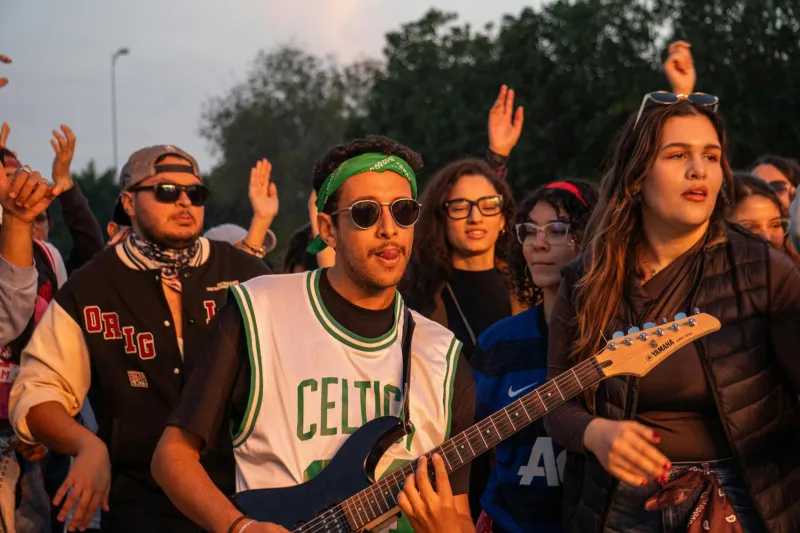
Walk through any festival site and you'll spot them: the distinct style tribes that have emerged across Britain's cultural landscape. There's the Vintage Voyagers, digging through charity shops for authentic band merch from decades past, their outfits serving as walking museums of music history. Then you have the Eco Warriors, sporting hand-dyed fabrics and upcycled pieces that would make even the most dedicated environmentalist weep with joy.
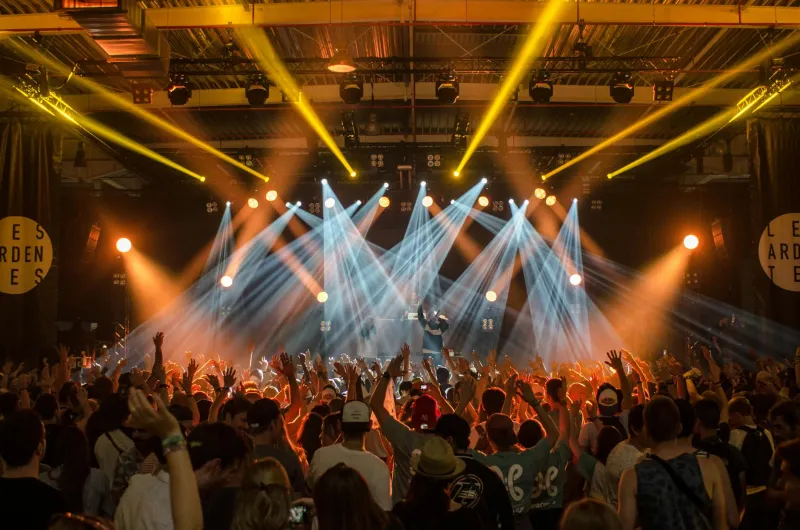
The DIY Dreamers are perhaps the most fascinating tribe of all—armed with sewing machines, fabric paints, and endless creativity, they transform charity shop finds into bespoke masterpieces. A £2 dress becomes a canvas for political statements, band logos, or abstract art that catches the light just right when the main stage floods the crowd with colour.
Each tribe represents something deeper than aesthetic choice. They're communities built around shared values, connected by threads both literal and metaphorical. When someone spots your hand-sewn patch or recognises the obscure band on your vintage tee, instant connections form. These aren't just clothes; they're conversation starters, friendship builders, and identity markers all rolled into one.
Beyond the Glitter and Wellies
The old festival uniform of Hunter wellies and flower crowns feels almost quaint now. Today's festival fashion speaks to bigger conversations happening across British culture. Climate consciousness has woven itself into the very fabric of how people dress for events. The rise of clothes swaps, rental services, and "wear it again" campaigns reflects a generation that refuses to treat fashion as disposable.
Take the phenomenon of "festival prep parties"—gatherings where friends come together to alter, customise, and share clothing before heading to events. These aren't just practical solutions; they're community rituals that strengthen bonds and create shared memories before the music even starts. Someone's old denim jacket becomes a group project, adorned with patches, pins, and personal touches that tell the story of friendship itself.
The regional variations are fascinating too. Northern festivals tend toward practical rebellion—think customised denim and band tees with added warmth features. Southern events lean more experimental, with flowing fabrics and artistic expressions that can handle both sunshine and sudden downpours. Scottish festivals have birthed their own unique aesthetic, blending traditional textiles with modern sustainability in ways that honour heritage while embracing change.
The Sustainability Statement
Perhaps the most significant shift is how festival fashion has become a vehicle for environmental activism. The average festival-goer now owns pieces they've worn to multiple events, each time adding new elements, stories, and meaning. This "slow festival fashion" movement represents a conscious rejection of the throwaway culture that dominated previous decades.
Charity shops in university towns report surges in sales before festival season, as students hunt for unique pieces that won't break the bank or the planet. Local seamstresses and tailors are experiencing a renaissance, as people seek to alter and personalise their finds. The rise of "mending circles" at festivals themselves—spaces where people can repair and customise clothing during the event—shows how this ethos extends beyond preparation into the festival experience itself.
Creating Tomorrow's Heritage
What excites us most about this evolution is how it's creating tomorrow's cultural heritage today. The customised pieces being worn now will become the vintage finds of future generations. Someone's hand-painted jacket from Latitude 2024 might inspire a young festival-goer in 2044, creating an unbroken chain of creative expression and cultural memory.
This isn't just about individual expression—it's about collective identity formation. British festival culture has always been about community, but now that community extends to how we present ourselves to the world. When someone wears a upcycled piece to a festival, they're not just making a fashion statement; they're participating in a larger conversation about values, creativity, and the future we want to build together.
The Future We're Wearing
As we look ahead, festival fashion in Britain is becoming less about consumption and more about creation, less about trends and more about truth. It's a movement that understands that what we wear matters—not because of how it looks, but because of what it represents.
This is fashion as activism, style as storytelling, and clothing as community building. It's young people refusing to accept that looking good has to cost the earth, literally or figuratively. It's about creating spaces where authenticity trumps brand names, where creativity matters more than cash, and where the stories behind our clothes are more important than their price tags.
From bedroom wardrobes to festival fields, Britain's cultural revolutionaries are weaving a new narrative—one thread, one patch, one perfectly imperfect outfit at a time. And honestly? The future has never looked so stylish.