The Morning After the Music
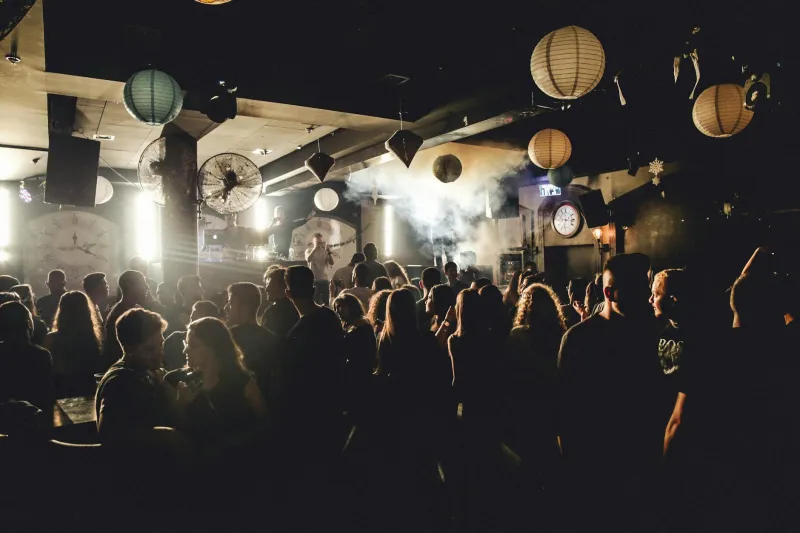
The last guitar amp has been switched off, the final food truck has pulled away, and the cleaning crews are working their way across trampled grass. For most punters, this is where the festival story ends. But for the towns and communities that host Britain's biggest cultural gatherings, this is precisely where the real work begins.
Across the UK, from Somerset's legendary Glastonbury to Suffolk's genteel Southwold, festival host communities are rewriting the playbook on what it means to be a cultural destination. They're discovering that a weekend's worth of headlines can fuel decades of regeneration – if you know how to harness that energy.
Beyond the Temporary City
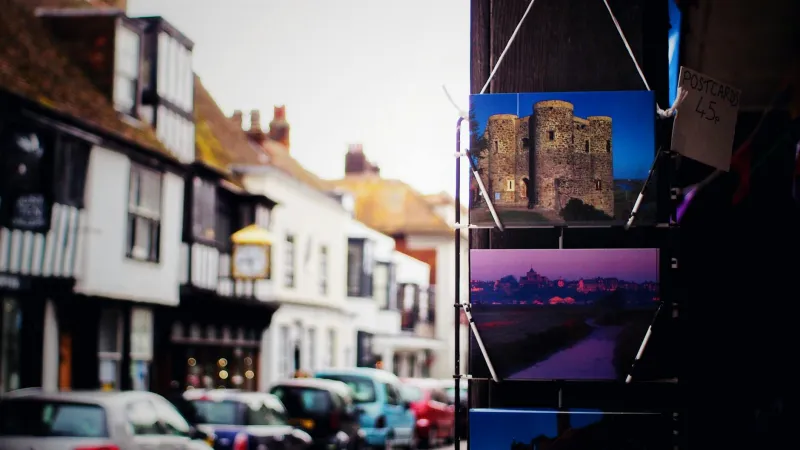
Take Henham Park, home to Latitude Festival. When the indie darlings and literary luminaries pack up their tents each July, Southwold doesn't simply return to its pre-festival slumber. The Suffolk coastal town has spent years cultivating a cultural identity that extends far beyond its four-day musical moment.
Local business owner Sarah Mitchell, who runs a vintage clothing boutique on the High Street, explains the transformation: "Five years ago, we'd see a massive spike during Latitude weekend, then nothing. Now we've got festival-goers booking weekend breaks throughout the year, specifically because they fell in love with the area during the festival."
It's a pattern being replicated across Britain's festival landscape. The secret isn't just about capitalising on increased footfall – it's about understanding what draws people to these cultural experiences in the first place, then finding ways to offer that same magic year-round.
The Glastonbury Blueprint
Nowhere is this more evident than in Glastonbury itself. The Somerset town has become a masterclass in leveraging cultural capital. Beyond the legendary festival that bears its name, Glastonbury has cultivated a reputation as Britain's spiritual and cultural heart – a place where alternative thinking and creative energy flow as freely as the cider.
The numbers tell the story. According to Visit Somerset, Glastonbury attracts over 2 million visitors annually, with the vast majority arriving outside of festival season. The town's independent shops, healing centres, and cultural venues have created an ecosystem that feeds off the festival's reputation whilst developing its own distinct identity.
"We've learned that people don't just want to consume culture – they want to participate in it," says Tom Richards, who sits on Glastonbury Town Council. "Our job is to create spaces and opportunities for that participation to happen all year round."
The Ripple Effect Economy
This cultural-economic alchemy isn't happening by accident. Smart festival towns are investing in infrastructure and initiatives that extend their cultural seasons. In Hay-on-Wye, famous for its literary festival, the town has developed a year-round programme of smaller cultural events, writing workshops, and author residencies that keep the literary energy alive between May's main event.
Meanwhile, in the Scottish Borders, the region surrounding T in the Park's former home has pivoted towards developing music education programmes and recording studios, creating a music industry hub that employs local talent and attracts artists year-round.
Building Cultural Confidence
What's particularly striking about these success stories is how they've empowered local communities to see themselves as cultural destinations rather than simply temporary hosts. Festival towns are developing what we might call "cultural confidence" – the belief that they have something unique to offer beyond a single weekend's entertainment.
This shift in perspective is crucial. When communities start to see themselves as cultural players rather than passive venues, they begin to invest differently in their future. Local councils develop cultural strategies, residents start arts projects, and businesses begin to think about how they can contribute to the area's creative ecosystem.
The Long Game
Of course, this transformation doesn't happen overnight. The most successful festival towns have played the long game, understanding that building a sustainable cultural economy requires patience, investment, and genuine community buy-in.
Brighton's approach offers a compelling model. While not primarily known for a single festival, the city has leveraged its reputation as a cultural hub to create a year-round economy built around music, arts, and alternative culture. The success of events like Brighton Festival and The Great Escape has helped establish the city as a destination for creative industries, leading to job creation and economic growth that extends far beyond event weekends.
Looking Forward
As we move into an era where authentic cultural experiences are increasingly valued over manufactured entertainment, festival towns have a unique opportunity. They possess something that can't be replicated by corporate theme parks or standardised entertainment complexes: genuine cultural DNA.
The challenge now is ensuring that this cultural capital benefits everyone in these communities, not just the businesses directly connected to the festivals. The most forward-thinking festival towns are exploring how cultural tourism can fund local amenities, support community projects, and create opportunities for local young people.
From now on, the measure of a truly successful festival won't just be ticket sales or media coverage – it'll be how effectively it transforms its host community into a year-round cultural destination. Because the best festivals don't just entertain for a weekend; they plant seeds that bloom long after the stages go dark.