Hands That Speak: Putting BSL Where the Crowd Can See It
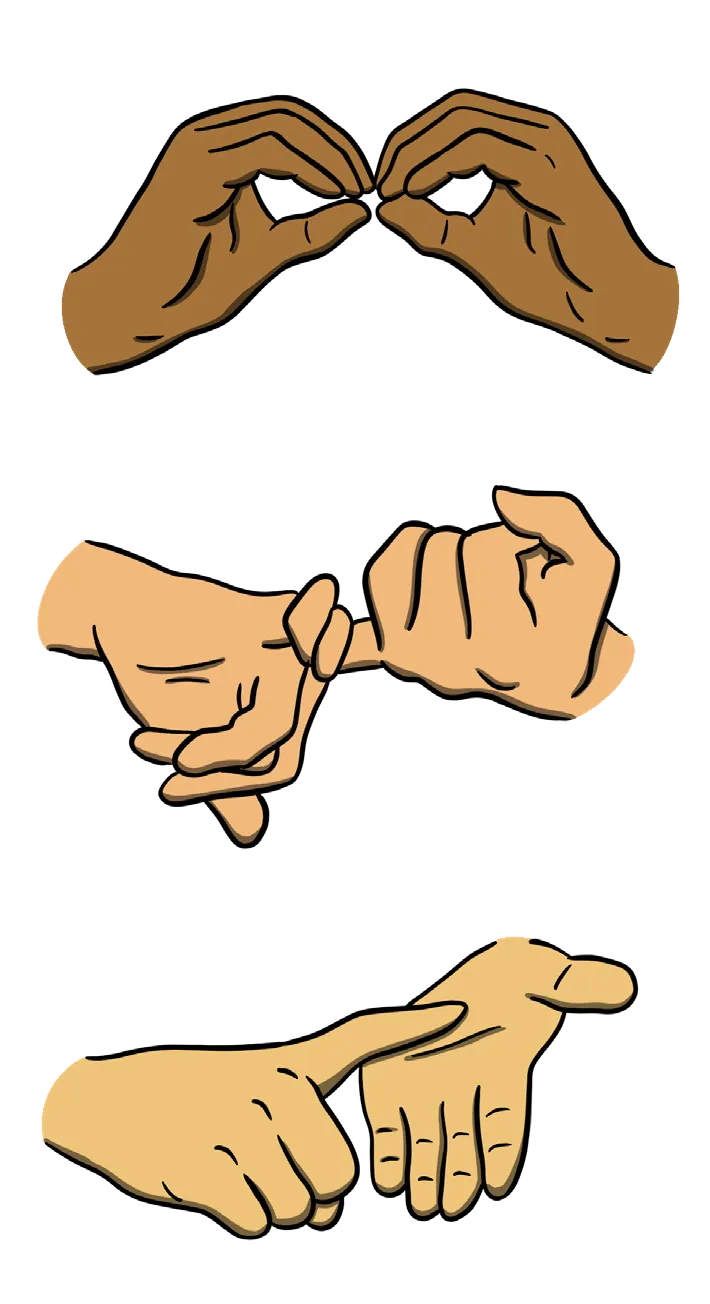
Photo: Aronora, CC BY-SA 4.0, via Wikimedia Commons
Picture the best moment of a festival. Somewhere near midnight, main stage, the crowd locked into a song they have waited a year to hear. Now picture watching it from forty metres away with no idea what the vocalist just said, what the joke was, or why everyone around you laughed.
For Deaf festivalgoers that is not an unlucky night out. It is the default setting, and it is why the current wave of British Sign Language work on festival sites deserves far more attention than it gets.
What access actually looks like
There is a lazy assumption that accessibility means a viewing platform and a wheelchair route. Important, obviously, but access is a set of separate problems that each need their own answer. A Deaf attendee is not asking for a quiet room. They are asking to understand the thing they paid to see.
That means a BSL interpreter with a clear sightline, properly lit, at a size and distance where hands and face read clearly. It means captions that exist for the songs, not just the between-song chat. It means the accessibility information arriving at the same time as the lineup announcement, not in a footnote three weeks before gates open.
The interpreter on the gantry
Ask anyone who does this work and they will tell you the same thing: placement is everything. An interpreter stuck in the pit, below stage level and behind a barrier of camera operators, is effectively invisible from the crowd. Put them on a raised platform at the side of the stage, well lit, framed on the screens, and suddenly a whole section of the audience is included rather than tolerated.
Performance interpreting is also a craft in its own right. Song lyrics rarely translate literally into BSL, so the interpreter is making creative choices in real time — matching rhythm, conveying mood, deciding which image carries the meaning. Watching a good interpreter work a set is genuinely one of the more impressive things you can see at a festival, and it is almost never in the programme.
Beyond the interpreter
BSL is not the only route. Live captioning units have become a familiar sight at festivals and theatres, and they have improved dramatically. The strongest provision layers approaches rather than picking one: interpreters for the spoken and performed material, captions for lyrics and announcements, and written information for safety briefings and site notices.
Then there is the newer end of the field. Haptic wearables that translate bass and rhythm into vibration have moved from novelty to genuinely useful tool for Deaf and hard-of-hearing audiences, particularly at dance and electronic events where the physicality of sound is half the experience. It is not a substitute for language access and nobody in the sector pretends otherwise — but it opens a door that was previously closed.
The legal floor and the real ceiling
The British Sign Language Act 2022 gave BSL formal recognition, and the Equality Act has required reasonable adjustments for far longer. Neither piece of legislation books an interpreter for you. What changes a festival is a budget line and a decision made early, usually by one person who has pushed for it.
Which is where the practical barriers bite. Good interpreters are booked out months ahead, particularly in festival season, and the ones with music specialisms are scarcer still. Turning up in June wanting main-stage BSL for a weekend is like wanting a headline act in April: possible, expensive, and usually a compromise.
Five things that actually work
- Book interpreting as part of the production budget, not the access budget, so it is not the first thing cut.
- Share setlists, lyrics and scripts in advance, so interpreters can prepare rather than improvise blindly.
- Put BSL slots on the public running order, so Deaf audiences can plan a weekend the way everyone else does.
- Programme Deaf artists and Deaf-led companies across the bill, not only in a dedicated slot.
- Publish access information at announcement time, in BSL video as well as text.
None of that is exotic. It is the difference between an event that invites Deaf people and one that welcomes them.
What good looks like
The best examples on the current circuit are not necessarily the biggest festivals. Mid-size events with a committed access lead, a relationship with a local Deaf organisation and a willingness to be told when they have got it wrong tend to outperform the sprawling ones where access is one item on a very long list.
And the ripple effect is real. A festival that gets BSL right on the main stage usually starts captioning its panel talks, briefing its stewards, and rethinking how it writes its website. Access work is stubborn like that — solve one thing properly and the rest of the site starts looking under-equipped.
From now on, inclusion should not mean a separate tent at the far end of the field. It should mean the hands are lit, the screens are framed, and the whole crowd can see what is being said.