Hands That Speak Louder: The Deaf Artists Revolutionising Britain's Music Scene
The Stage Revolution You Haven't Noticed Yet
Whilst BSL interpreters have become a familiar sight at Britain's major festivals, something far more profound is happening just out of mainstream view. A generation of Deaf artists, promoters, and cultural innovators are stepping out from the margins and into the spotlight, not as recipients of accessibility measures, but as creative leaders reshaping what British live music can be.
This isn't a story about accommodation – it's about artistic revolution.
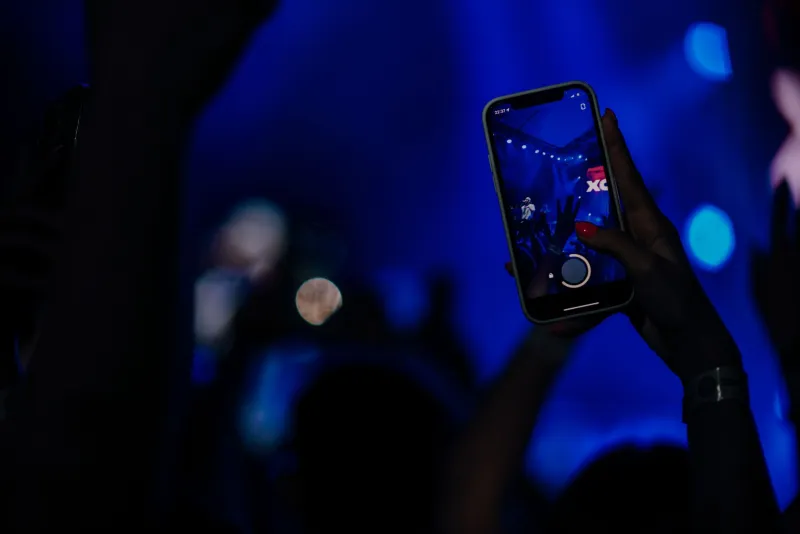
At a packed venue in Manchester's Northern Quarter, the crowd moves with unusual precision. Bodies sway in perfect synchronisation, hands cut through the air in fluid conversation, and the energy is electric despite – or perhaps because of – the fact that many in the audience can't hear the traditional sense. This is Deaf Rave MCR, and it's pioneering a new frontier in British nightlife.
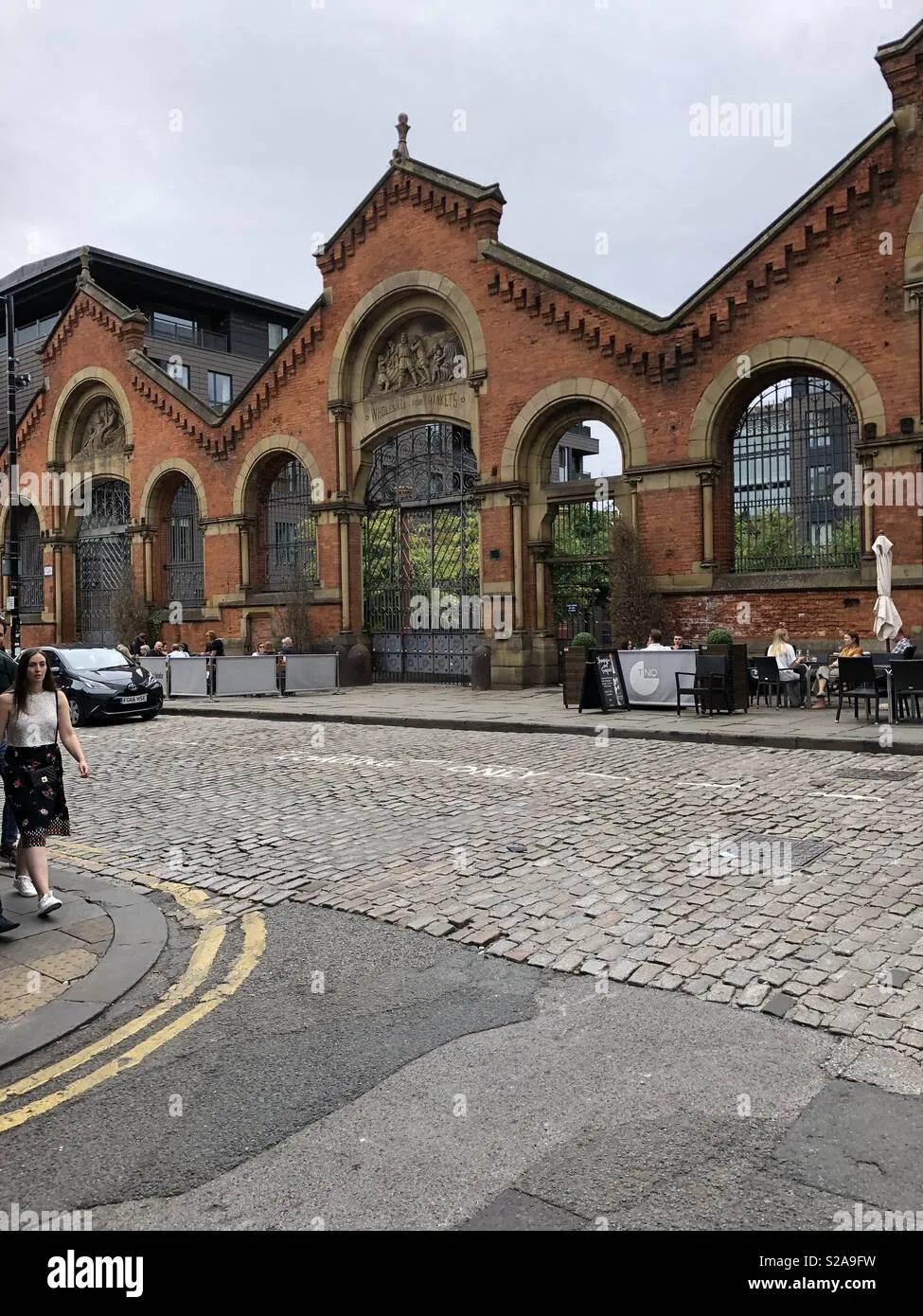 Photo: Manchester's Northern Quarter, via c8.alamy.com
Beyond the Interpreter's Corner
"For too long, the conversation has been about making existing music accessible to Deaf people," explains Amelia Foster, founder of Deaf Rave MCR and a musician in her own right. "But what if we flipped that? What if Deaf culture wasn't something to be accommodated, but something to lead with?"
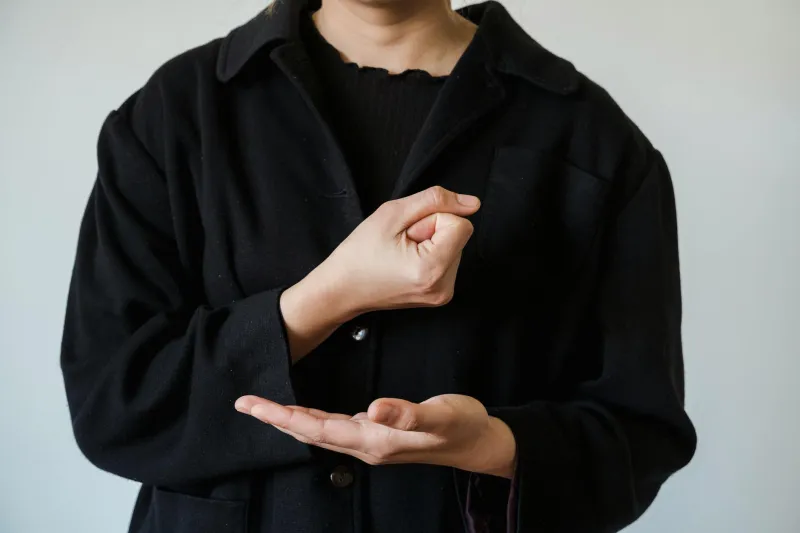
Amelia's events combine traditional DJ sets with visual artists, tactile sound experiences, and performances that blend music with British Sign Language in ways that create entirely new art forms. "BSL isn't just translation – it's poetry in motion. When you combine that with rhythm, with lighting, with the physical experience of sound... you get something completely unique."
The results are mesmerising. At Deaf Rave events, hearing and Deaf audiences experience music together in ways that neither community typically encounters alone. Vibrating floors transmit basslines through bodies, visual artists translate rhythms into real-time projections, and BSL performers become part of the musical performance itself rather than simply interpreting it.
The Creative Pioneers
Across Britain, Deaf-led initiatives are emerging that challenge fundamental assumptions about how music works. In London, the collective Silent Signal has been creating immersive experiences that blend electronic music with tactile technology, allowing audiences to 'feel' melodies through haptic devices whilst watching visual interpretations of the soundscape.
"Music isn't just sound," argues Ben Martinez, Silent Signal's creative director and a Deaf electronic musician. "It's rhythm, it's pattern, it's emotion, it's community. When you strip away the assumption that it has to be heard in the traditional sense, you open up incredible creative possibilities."
Ben's own compositions blend traditional electronic production with visual elements designed specifically for Deaf audiences. His tracks incorporate flashing lights triggered by specific frequencies, tactile elements that translate bass patterns into physical sensations, and visual rhythms that mirror musical structures.
"I'm not making music despite being Deaf," he emphasises. "I'm making music because I'm Deaf. My perspective brings something unique to the art form."
Festival Futures
The influence of Deaf-led creativity is beginning to ripple through Britain's festival circuit in unexpected ways. Rather than simply adding BSL interpretation to existing programmes, forward-thinking festivals are commissioning Deaf artists to create new types of performances altogether.
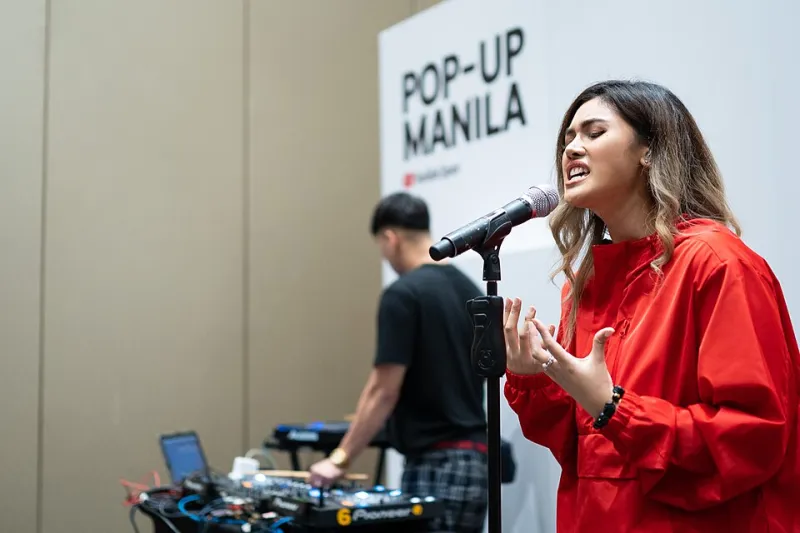
At last year's Green Man Festival, Deaf performer and poet Joseph Stevens delivered what he called a 'visual symphony' – a 45-minute piece that combined BSL poetry with live musicians, creating a performance that worked simultaneously as spoken word, visual art, and musical collaboration.
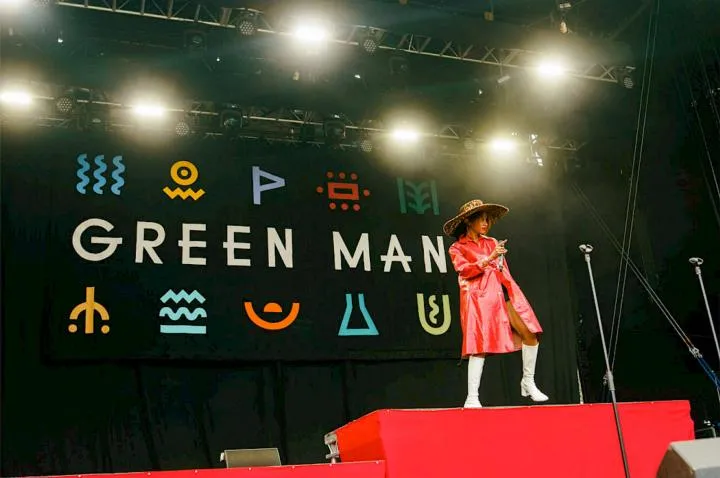 Photo: Green Man Festival, via s3.amazonaws.com
"The response was incredible," recalls Green Man's artistic director Rebecca Williams. "Both Deaf and hearing audiences were experiencing something they'd never seen before. It wasn't accessibility programming – it was just brilliant art that happened to emerge from Deaf culture."
The success has led to commissions across the festival circuit, with events increasingly recognising Deaf artists not as a demographic to serve, but as creative innovators to showcase.
The Technology Revolution
Advances in haptic technology are creating new possibilities for Deaf-led musical experiences. SubPac – a tactile bass system worn like a backpack – allows users to feel low-frequency sounds through their bodies. Smart clothing embedded with vibration patterns can translate different instruments into distinct physical sensations. Visual music software can create real-time light shows that mirror musical structures.
"Technology is finally catching up with what Deaf culture has always known," says Dr Sarah Chen, a researcher at University College London studying the intersection of disability and creative technology. "Music is multisensory. It always has been. Deaf artists are just making that explicit."
The implications extend far beyond the Deaf community. Hearing audiences at Deaf-led events often report heightened awareness of music's visual and tactile elements, discovering new ways to experience familiar art forms.
Building the Infrastructure
Behind the creative innovation, a new generation of Deaf promoters and venue operators are building the infrastructure to support this cultural shift. Venues are being designed with visual acoustics in mind – sightlines that allow for BSL communication, lighting systems that support visual music experiences, and sound systems optimised for tactile transmission.
"It's about creating spaces where Deaf culture can thrive, not just survive," explains Maria Rodriguez, who runs Hands & Hearts, a London venue specifically designed for Deaf-led events. "When you design from a Deaf perspective first, you end up creating experiences that work brilliantly for everyone."
 Photo: Hands & Hearts, via www.emojisup.org
The venue features curved walls that optimise visual communication, adjustable lighting systems that can sync with musical rhythms, and tactile sound systems integrated into the architecture itself. But perhaps most importantly, it's programmed and operated by Deaf staff who understand the community's needs intuitively.
The Ripple Effect
The influence of Deaf-led creativity is spreading beyond dedicated events and venues. Mainstream festivals are beginning to incorporate visual music elements, tactile sound experiences, and BSL poetry into their regular programming – not as accessibility add-ons, but as artistic innovations that enhance the experience for all audiences.
"We're seeing a real cultural shift," observes festival consultant David Park, who advises events across the UK on inclusive programming. "Five years ago, accessibility was about retrofitting existing experiences. Now, the most innovative festivals are designing experiences from a Deaf perspective because they recognise it leads to more creative, more engaging art."
The Future Frequency
As Britain's cultural landscape continues evolving, Deaf-led innovations are pointing toward possibilities that extend far beyond the music industry. Virtual reality experiences designed by Deaf artists are exploring new forms of immersive storytelling. Educational programmes are using tactile music techniques to support children with various learning differences. Even architecture is being influenced by design principles that emerge from Deaf spatial awareness.
"This isn't about special provision anymore," reflects Amelia Foster, watching the crowd at her latest Deaf Rave event move in perfect harmony. "This is about recognising that Deaf culture brings unique creative insights that benefit everyone. We're not asking to be included in your world – we're inviting you to help build a better one together."
From now on, perhaps we'll see accessibility not as a box to tick, but as a creative catalyst that pushes British culture toward more innovative, more inclusive, and ultimately more beautiful expressions of human connection. The revolution is happening – and it speaks in ways that transcend sound.