After the Last Chord: What the Land Remembers When a Festival Leaves
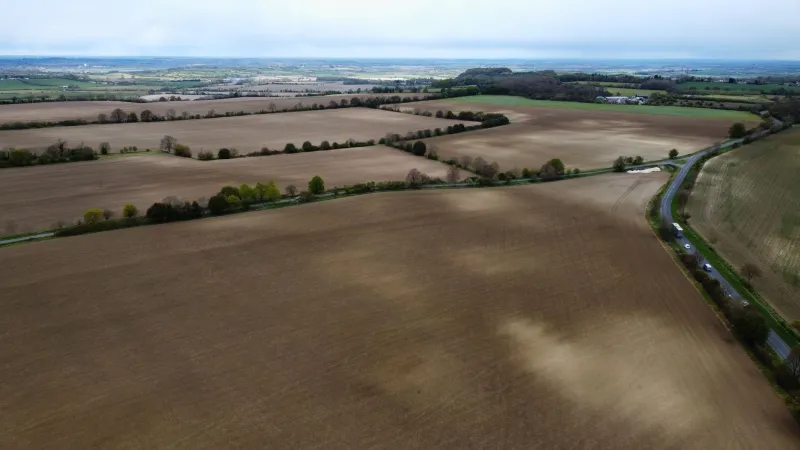
The Monday morning after a major UK festival is one of the strangest silences in the cultural calendar. Where sixty thousand people once pressed together in the dark, singing the same words back to a stranger on a stage, there is now just field. Flattened, churned, littered with the archaeology of a weekend lived at full volume.
But that silence is deceptive. Because the land, it turns out, has plenty left to say.
What Gets Left Behind
Before the ecologists arrive, before the farmers walk their fields with clipboards and worried expressions, the clearance teams come in. And what they find is extraordinary in its mundanity — a civilisation compressed into lost property.
Wellies without partners. Tent pegs by the thousand. A library's worth of paperback novels abandoned in the hope that someone else might finish them. Phone chargers, sunglasses, inflatable flamingos deflated by the realities of a British August. At larger events, the volume of left-behind belongings can fill warehouses. Much of it is donated — sleeping bags to homeless shelters, unworn clothing to charity shops — in what has become an informal but meaningful redistribution of goods.
There's something quietly moving about it. The festival as an accidental act of generosity, even in its dying hours.
But beyond the human detritus, the land itself has been altered. And that's where the real story begins.
Reading the Ground
Soil compaction is the unglamorous reality that every festival farmer knows too well. When tens of thousands of feet pound the same earth over four days — particularly in wet conditions — the ground loses its structure. Air pockets collapse. Drainage is compromised. In severe cases, the damage can affect crop yields for years.
Land managers working with established UK festivals have developed sophisticated monitoring systems to track this. Soil sampling before and after events, drainage assessments, compaction tests at varying depths. It's a science that sits awkwardly alongside the romance of the festival experience, but it's a necessary one.
What's interesting, though, is that the picture isn't uniformly bleak. Some festivals — particularly those with longer histories on the same sites — have invested so heavily in land management that the ecological relationship has become genuinely symbiotic. Rotational grazing in the months before events can actually improve ground cover. Careful zoning of high-footfall areas protects the more sensitive sections of a site. And the financial relationship between festival income and farm viability has, in many cases, saved agricultural land that might otherwise have been sold for development.
In that sense, the festival might be the field's best chance.
The Wildlife That Stays
Here's the part that surprises people most. In the weeks following a major festival, ecologists sometimes record an increase in certain wildlife activity on site.
The reasons are counterintuitive but logical. The movement of thousands of people — and the disruption of the topsoil it causes — can inadvertently create conditions that certain species find attractive. Exposed earth is valuable nesting habitat for ground-nesting birds. The remnants of food waste, even after clearance, draw invertebrates that in turn support larger predators. Temporary water features created by compaction can become unexpected amphibian habitats.
None of this is to romanticise the environmental footprint of large gatherings, which remains a genuine and serious challenge for the industry. But it does complicate the simple narrative that festivals are purely destructive forces on the landscapes they inhabit.
Some site managers have begun working with conservation organisations to document these post-festival ecological windows — treating the recovery period not just as damage limitation but as an opportunity for active habitat creation. It's early days, but the thinking is genuinely exciting.
The Farmers Who Keep Coming Back
Speak to the farmers and landowners who host Britain's biggest events and you'll hear a complicated kind of affection. The money matters — festival income has kept more than one family farm viable through difficult agricultural years. But it's rarely just about the money.
There's a pride in it, too. In being part of something that people will carry with them for decades. In knowing that the field where your grandfather grew barley is the same field where someone fell in love, or heard a piece of music that changed them, or danced until they couldn't stand.
The relationship between festival and farmland is one of Britain's most underappreciated cultural partnerships. It requires trust on both sides — the landowner trusting that the event will be managed responsibly, the organiser trusting that the land will recover in time for next year. When it works, it's a genuinely remarkable arrangement.
And when it doesn't? When a wet summer turns a field to mud and the restoration bill runs into six figures? Those conversations are harder. But they happen, and the industry is slowly developing better frameworks for sharing risk and responsibility.
Can a Festival Leave a Field Better Than It Found It?
This is the question that the more ambitious voices in UK festival ecology are starting to ask seriously. Not just how do we minimise damage but how do we actively improve the land we use?
Some events are already experimenting with rewilding initiatives tied to their sites — using the fallow months to introduce wildflower meadows, create hedgerow corridors, or restore pond habitats. The festival calendar, with its long off-season, is actually well-suited to this kind of land management. A field that sits quiet from October to May has a lot of time to recover and, with the right intervention, to thrive.
The idea that temporary cultural use could function as a form of land stewardship — that the music and the ecology could be genuinely mutually beneficial — feels like one of the more hopeful ideas in the conversation about festivals and sustainability.
It won't be simple. The scale of the challenge is real, and the industry has sometimes been slow to reckon with its environmental responsibilities. But the direction of travel, among the organisers and land managers who are thinking hardest about this, is genuinely forward-looking.
Which feels, somehow, exactly right. The land was here before the festival. It'll be here long after. The least we can do is leave it something worth inheriting.