Stage Anywhere: The Rule-Breakers Turning Britain's Forgotten Spaces Into Cultural Gold

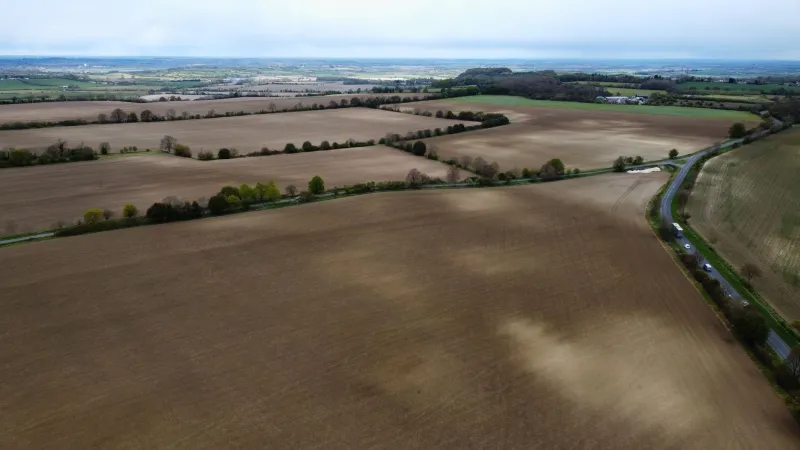
Photo: litrec, CC BY-SA 4.0, via Wikimedia Commons
Stage Anywhere: The Rule-Breakers Turning Britain's Forgotten Spaces Into Cultural Gold
The audience is seated on mismatched chairs and upturned milk crates. The ceiling is corrugated iron. There's a smell of old motor oil that no amount of candles is quite managing to disguise. And yet, right now, a string quartet is playing something so achingly beautiful that several people in the crowd are quietly weeping.
This is a car park in Digbeth, Birmingham. It is also, unmistakably, a concert hall.
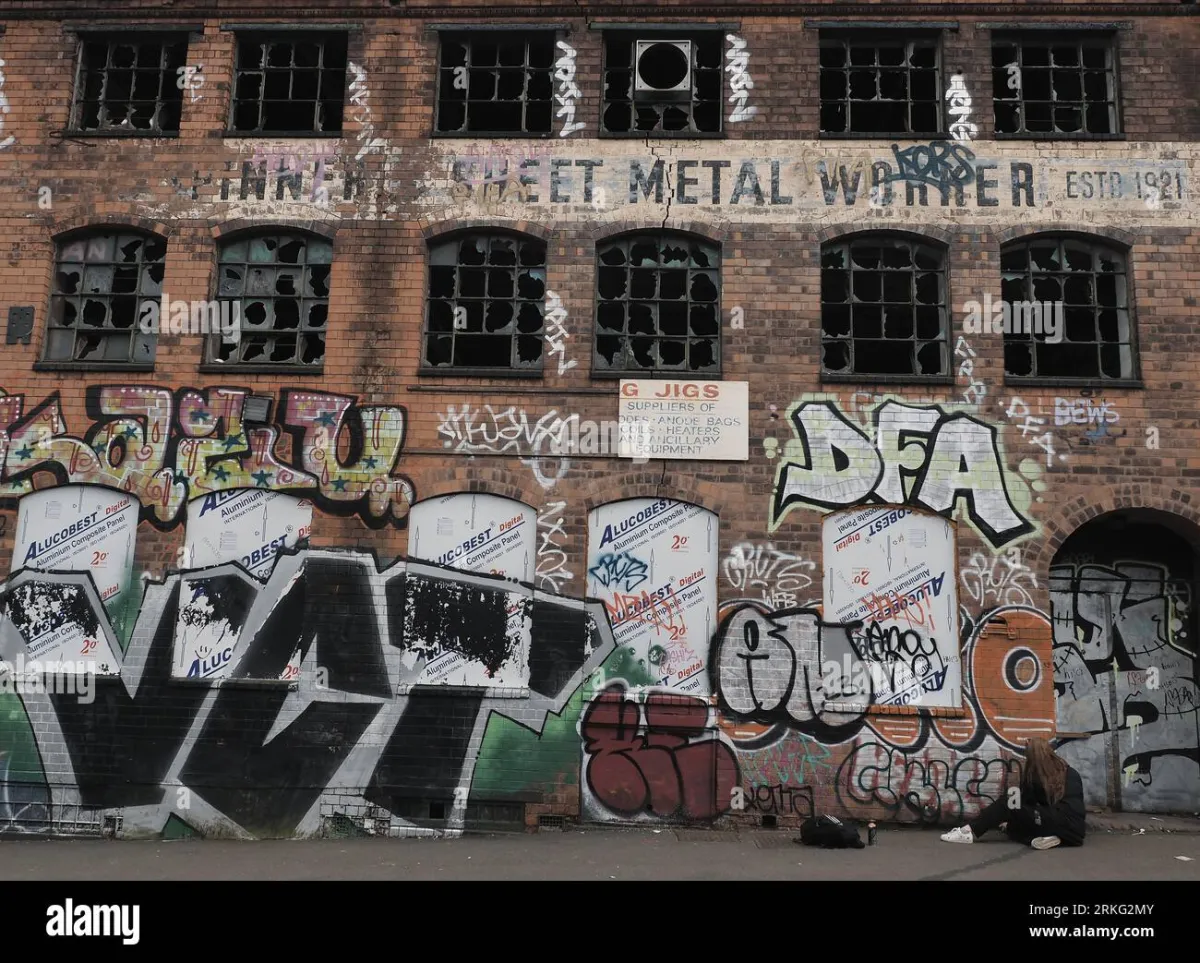 Photo: Digbeth, Birmingham, via c8.alamy.com
Britain has always had a talent for making do — for finding the extraordinary inside the ordinary. But something has shifted in recent years, and it goes beyond the scrappy resourcefulness that's always characterised grassroots arts. Across the country, a deliberate, creative, and often thrillingly ambitious movement is turning non-traditional spaces into some of the most vital performance venues the nation has ever seen.
Why the Walls Started Coming Down
The story has several starting points. One is financial: traditional venues are expensive to run, increasingly difficult to insure, and facing a brutal squeeze between rising costs and recovering post-pandemic footfall. Many have closed. The Arts Council has documented the loss of hundreds of small-to-mid-scale venues since 2019, each closure leaving a gap in the local cultural ecosystem.
But necessity, as it so often does, sparked invention. When the conventional venues disappeared, artists and organisers didn't stop — they looked sideways. At the church hall nobody was using on Fridays. At the rooftop of the Tesco Extra that had a spectacular view and a fire escape wide enough to load equipment through. At the warehouse that the landlord would let go for a weekend in exchange for a donation to a local charity.
The other driver is something more philosophical: a growing frustration, particularly among younger artists and audiences, with the formality of traditional venues. The hushed reverence of a concert hall, the velvet ropes, the sense that culture is something dispensed from a position of authority to a passively receiving public — all of it feels increasingly at odds with how people actually want to engage with art.
"A black box theatre with tiered seating tells you how to feel before anything has happened," says Jas Dhaliwal, who runs Threshold Arts, a Birmingham-based collective specialising in site-specific performance. "When you put a show in a car park or a launderette or someone's actual living room, the audience has to work out their relationship to the space and the work simultaneously. That's incredibly exciting."
The Spaces Themselves
What's striking about Britain's borrowed-venue movement is its sheer variety. There's no single template.
In London, organisations like Peckham Levels and Bold Tendencies have turned multi-storey car parks into year-round cultural destinations — the latter hosting the renowned Frank's Café bar and a sculpture park on its upper floors every summer, drawing thousands to a structure that would otherwise be purely functional. In Sheffield, a network of church halls has become an informal circuit for folk and acoustic performers who appreciate the acoustics and the intimacy. In Glasgow, the former Barras market sheds and various post-industrial spaces along the Clyde have hosted everything from rave nights to opera.
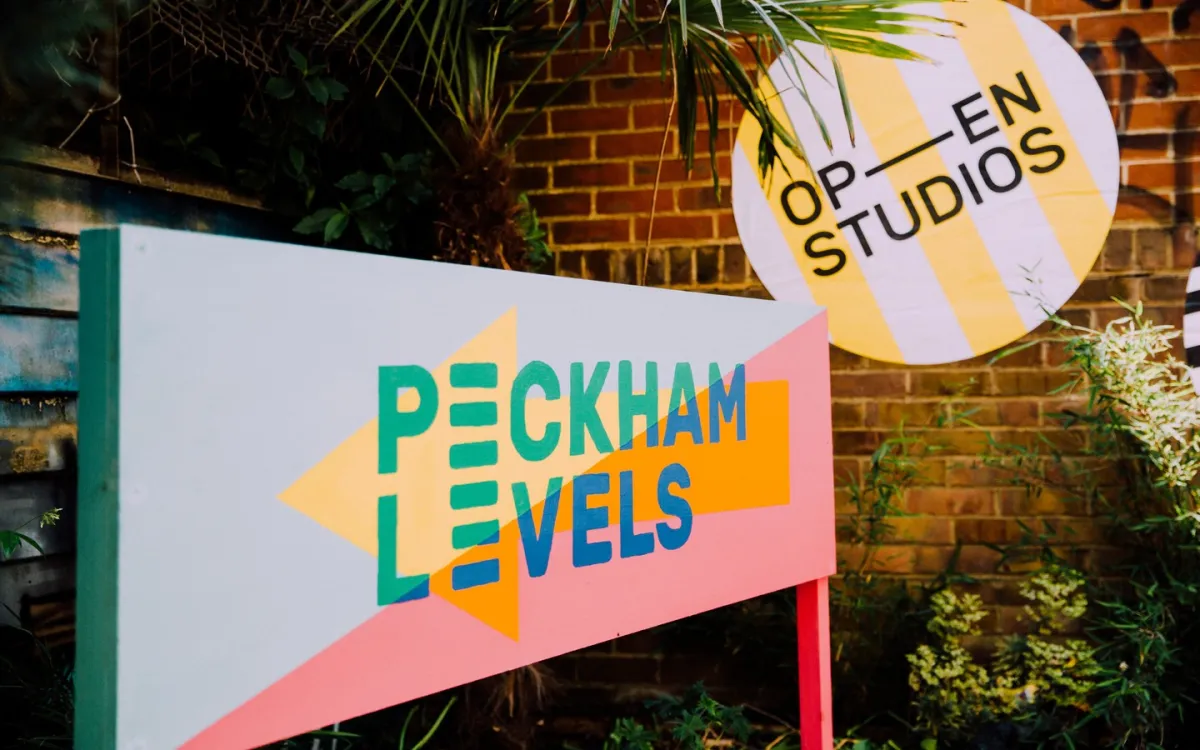 Photo: Peckham Levels, via peckham-levels.cdn.prismic.io
Smaller, stranger examples abound. A fishmonger's in Whitstable that opens its back room for jazz on winter Sunday evenings. A working farm in the Brecon Beacons that clears its largest barn for a weekend of Welsh-language music every autumn. A supermarket loading bay in Salford that was transformed, for three consecutive Friday nights last year, into an immersive theatre space that sold out every performance.
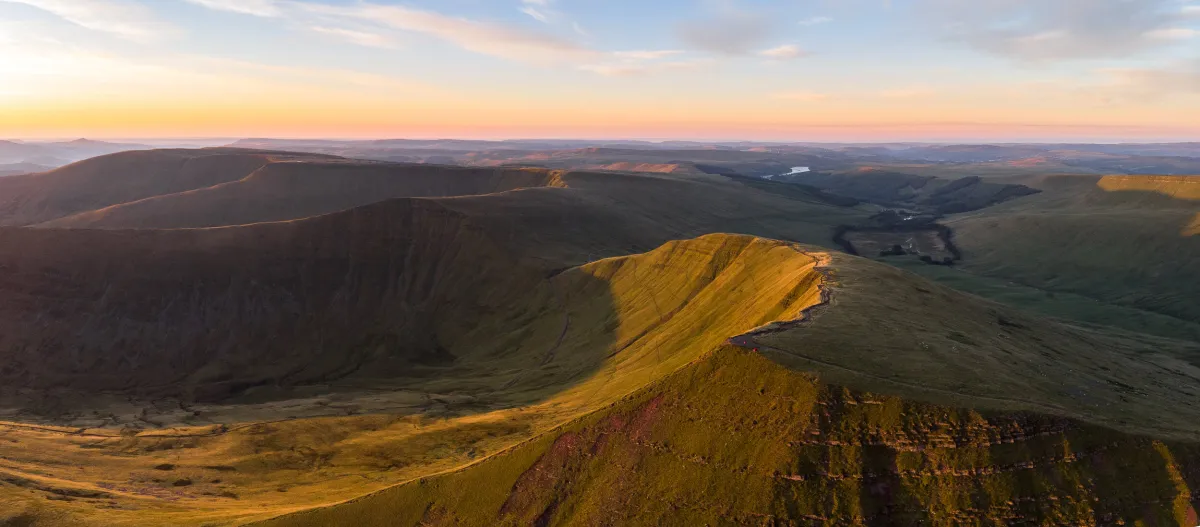 Photo: Brecon Beacons, via images.squarespace-cdn.com
Each of these places brings something a purpose-built venue can't: a specific character, a set of associations, a sense of place that bleeds into the art being made there.
The People Making It Happen
Organising events in non-traditional spaces is considerably harder than it looks. Licensing, acoustics, power supply, toilets, fire safety, insurance — the list of practical challenges is formidable, and the solutions are almost always improvised.
Dora Mackenzie has been producing pop-up arts events across the north of England for seven years. Her company, Interstitial, takes its name from the gaps between things — the spaces that aren't quite one thing or another. "Every venue is a negotiation," she says. "You're working with what's there rather than against it. Sometimes that's a gift — a space with incredible natural acoustics or extraordinary light. Sometimes it's a nightmare. Usually it's both."
The relationships that make these events possible are often deeply local. A landlord who's a fan of the arts. A council officer who's prepared to interpret licensing regulations with a degree of flexibility. A community of volunteers who'll spend a Saturday morning helping rig lights in a building that has never seen a lighting rig before.
"You can't do this stuff from a distance," says Mackenzie. "It only works because you're embedded in a place. You know who to call. You know who'll say yes."
Is This the Future?
The question hovering over all of this is whether the borrowed-venue movement represents a permanent shift in British arts culture, or whether it's essentially a stopgap — a creative response to a funding crisis that will fade once (if) more traditional venues reopen or receive renewed support.
The honest answer is probably: both, and neither entirely.
Some of what's happening right now is genuinely born of desperation — talented people making the best of a difficult situation, and doing so brilliantly. But some of it reflects a real and lasting change in how audiences and artists relate to space. The discovery that a warehouse can be a cathedral, that a car park can hold something transcendent, that the context of a place shapes the meaning of the art within it — these are not insights that get forgotten once the funding improves.
Britain's cultural landscape has always been shaped by improvisation. The pub back room. The working men's club. The church hall. The village fête. These were never fancy, and they were never supposed to be. They were places where people gathered because the gathering mattered more than the setting.
What's happening now is a continuation of that tradition, turbocharged by necessity and reimagined by a generation that has grown up understanding that authenticity and institution are not the same thing.
The walls of the venue came down. What's left is just people, and music, and art — which, it turns out, is all it ever needed to be.