Hear It Before You See It: The Sonic Teasers Changing How UK Festivals Reveal Their Lineups
There was a time when a festival lineup announcement was a simple transaction. The poster dropped — usually in the depths of January, when everyone needed something to look forward to — and the internet briefly lost its collective mind. Names were debated. Slots were speculated. The discourse was loud, brief, and glorious.
That model still exists. But alongside it, something more interesting is happening.
The Playlist as Puzzle
Earlier this year, a well-regarded UK festival — one with a reputation for curation over commerce — quietly updated its Spotify profile with a new playlist. No announcement. No caption beyond a single music note emoji. Seventy-three tracks, spanning genres and decades, sequenced with the kind of care that suggested it wasn't accidental.
Within hours, the festival's online community had dissected it track by track. Certain artists appeared multiple times. Others were notable for their absence. The playlist was, if you knew how to read it, a map — and the community treated it like one, cross-referencing tour dates, social media activity, and booking agency rosters with the kind of forensic enthusiasm usually reserved for true crime podcasts.
Three weeks later, the lineup was confirmed. The playlist had been almost entirely accurate.
This wasn't a coincidence. It was, several people close to the festival's programming team confirmed, entirely deliberate.
Why Organisers Are Speaking in Riddles
The shift towards cryptic, audio-first announcement culture isn't random. It reflects something meaningful about how festival organisers now understand their audiences — and how those audiences want to engage.
The traditional poster announcement was a broadcast. One message, sent to everyone, received more or less equally. The new approach is a conversation, and one that rewards a specific kind of fan: the deeply engaged, musically literate listener who treats the festival not just as an event to attend but as an expression of cultural identity.
For that audience, the puzzle is the product. The weeks of speculation, the shared theories, the small victories of correctly identifying an artist from a five-second audio clip posted to Instagram Stories — all of it builds investment long before a ticket is purchased.
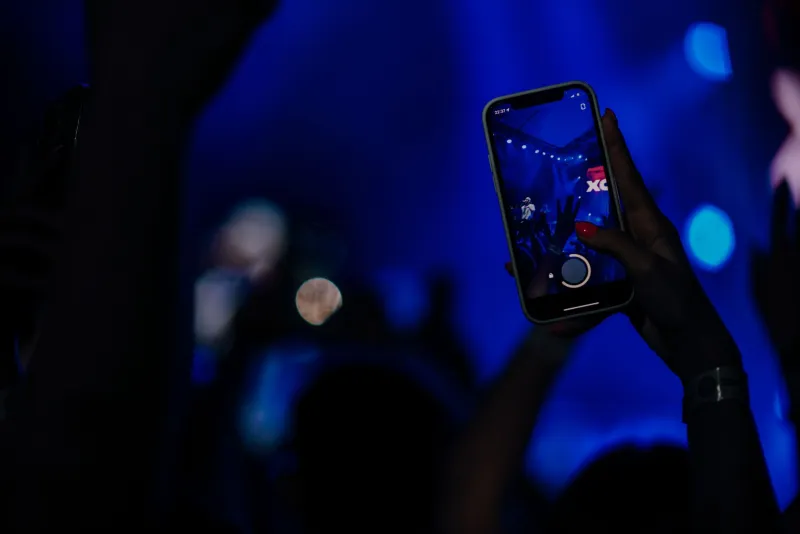
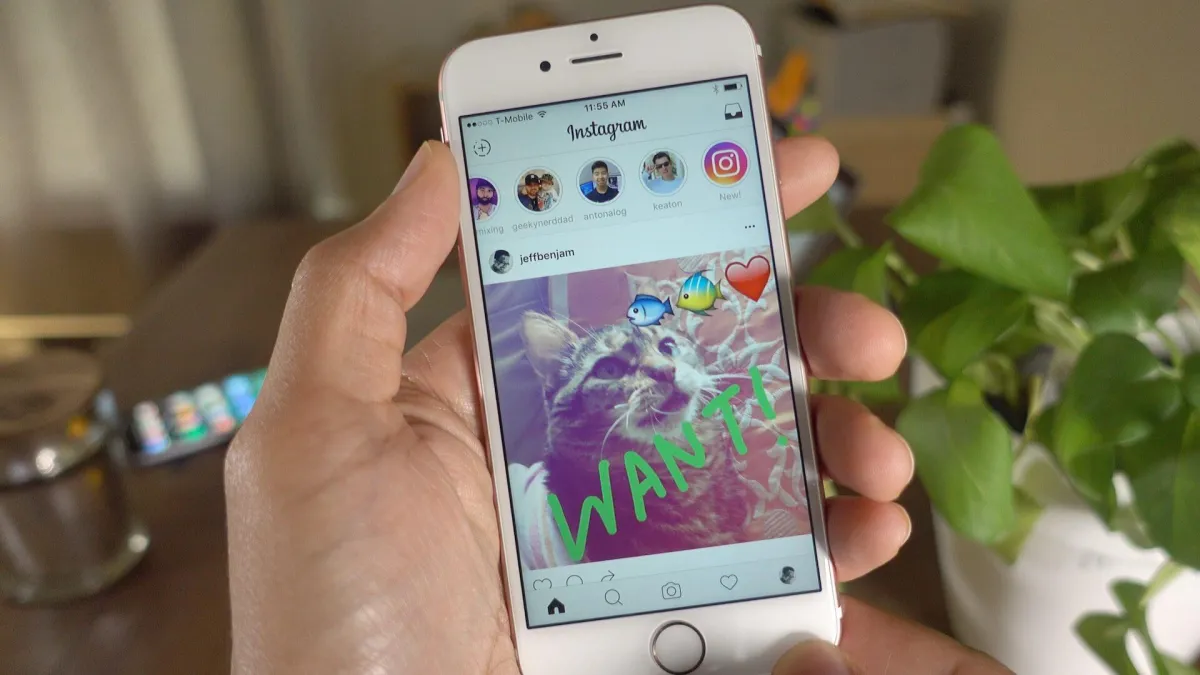 Photo: Instagram Stories, via www.showmetech.com.br
"We want people to feel like they discovered the lineup, not just received it," one programmer told us, speaking on background. "If you've spent three weeks working out that a particular artist is going to be there, you feel ownership over that. You feel like you belong."
The Streaming Platform as Decoder Ring
Spotify, in particular, has become a surprisingly powerful tool in the festival announcer's kit. Playlist curation carries implicit meaning — the artists you place alongside each other say something about how you hear them, about the sonic world you're constructing. For festivals with strong curatorial identities, a carefully assembled playlist is almost a manifesto.
But it goes further than playlists. Some events have used Spotify's algorithmic tools to seed artist recommendations into the feeds of their followers, subtly nudging people towards acts they might not know yet — acts that will, in due course, appear on the bill. It's gentle, almost imperceptible, and it works.
Others have experimented with exclusive audio content: short clips of performances, studio recordings, or even field recordings from previous events, posted to social platforms in ways that reward careful listening. A crowd noise that places an artist at a specific venue. A guitar tone that narrows the field. The obsessive fans — and there are always obsessive fans — treat these like clues in an elaborate game.
Because that's exactly what they are.
The Case Against the Cryptic
Not everyone is enchanted by this direction of travel, and it's worth sitting with the scepticism for a moment.
The elaborate teaser campaign, however sonically sophisticated, is still fundamentally a marketing exercise. The excitement it generates is real, but it's also manufactured — a controlled burn of anticipation designed to keep a festival in the cultural conversation for weeks rather than days. Whether that constitutes democratising excitement or simply replacing one form of hype with a more labour-intensive one is a fair question.
There's also an accessibility issue embedded in the model. The fans who can decode a cryptic Spotify playlist are, by definition, the fans with the time, the musical knowledge, and the digital fluency to do so. For a casual attendee — someone who goes to one festival a year, who isn't particularly online, who just wants to know whether their favourite artist is playing — the elaborate tease can feel exclusionary rather than inclusive.
"It starts to feel like a loyalty test," one longtime festival-goer told us. "Like, if you're not obsessive enough to follow all the clues, you're somehow less of a real fan. That doesn't sit right with me."
It's a tension that the more thoughtful programmers are aware of. The goal, ideally, is an announcement strategy that rewards the devoted without alienating the occasional — that gives the obsessives their puzzle while still delivering a clear, legible moment of revelation for everyone else.
What It Reveals About Festival Identity
Strip away the mechanics and what this trend really illuminates is how deeply festivals have become identity objects. Attending isn't just something you do; it's something you are. The music you choose says something about who you are, what you value, where you belong.
In that context, the pre-announcement playlist isn't just a teaser — it's a values statement. It's the festival saying: this is what we hear, this is how we listen, this is the community we're building. If you hear it too, you're in.
That's a powerful thing to communicate before a single name has been confirmed. And it suggests that the lineup poster — that simple, glorious, January blast of names — isn't disappearing. It's just becoming the final chapter of a story that's been building for weeks, told in the most fitting language imaginable.
Music, before anything else.