The Festival Economy Nobody Talks About: Jobs, Pounds, and the Communities That Depend on It
Every summer, the conversation about UK festivals follows a familiar script. Lineups drop, tickets sell out, think pieces appear. The artists are discussed, the stages are rated, the mud is photographed. What rarely makes the coverage — what almost never makes the poster — is the staggering economic apparatus that makes any of it possible.
Behind every festival weekend is a supply chain of remarkable complexity. Generators, fencing, portable toilets, refrigerated lorries, security personnel, first aid crews, catering equipment, compostable cups, traffic management systems, site medical tents. None of it appears by magic. All of it costs money, and most of it is sourced locally, regionally, or from specialist firms that have quietly built their entire business model around the festival season.
The numbers, when you start to look at them seriously, are striking.
What the Headline Figures Miss
The UK festival industry is frequently cited as contributing over £1.5 billion to the national economy annually. But that aggregate figure obscures where the money actually flows — and how unevenly it's distributed. The reality is that for many rural and post-industrial communities, the festival season isn't a cultural curiosity. It's a financial lifeline.
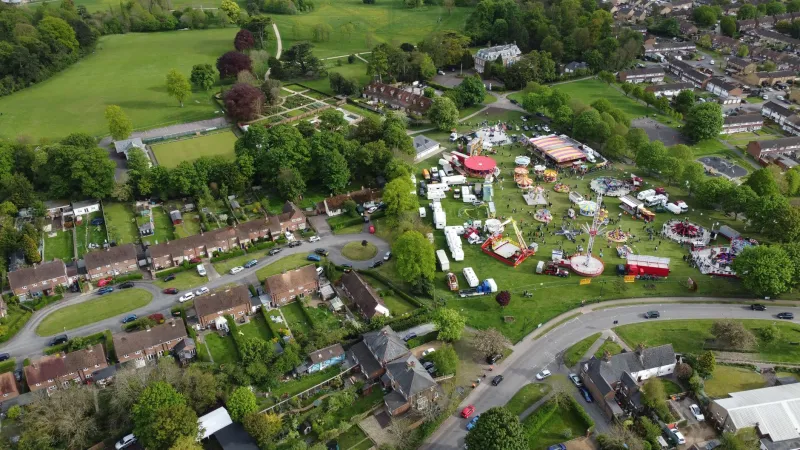
Consider a mid-sized festival in, say, the Welsh Marches or the Yorkshire Dales. The headline act might be signed to a London management company, the ticketing platform might be headquartered in Dublin, and the streaming rights might be owned somewhere in California. But the scaffolding company? Local. The hay bale suppliers? Local. The farm providing the land? Local. The B&Bs within a fifteen-mile radius that are fully booked for the entire weekend? Absolutely local.
Research published by UK Music has consistently found that festivals drive significant visitor spend in host communities — on accommodation, transport, food, and services — that extends well beyond the site perimeter. For smaller market towns and villages, a single annual festival can represent the equivalent of several months of normal trade compressed into 72 hours.
The Suppliers You Never See
Spend any time talking to the businesses that orbit the UK festival circuit and you start to understand why the sector matters so much beyond the music itself.
There are equipment hire companies that own their busiest period between May and September, and spend the rest of the year maintaining stock, training staff, and chasing invoices. There are food and drink suppliers — often small-scale producers — who depend on festival catering contracts to keep their operations viable. There are security firms whose workforce swells dramatically in summer, providing employment for hundreds of people who might otherwise struggle to find consistent work.
One family-run generator hire business in the East Midlands, speaking to a trade publication last year, estimated that festival contracts now account for roughly 60% of their annual revenue. "We've built the whole company around it," the owner said. "If the festival season went badly — bad weather, cancellations — we'd feel it for years."
This dependency cuts both ways. Festivals benefit from local suppliers who understand the terrain, can respond quickly to on-site crises, and often charge less than national contractors. Local suppliers benefit from reliable, high-value contracts that arrive with reassuring regularity. It's a relationship that, at its best, functions like a genuine economic ecosystem.
Local Produce, Local Pride
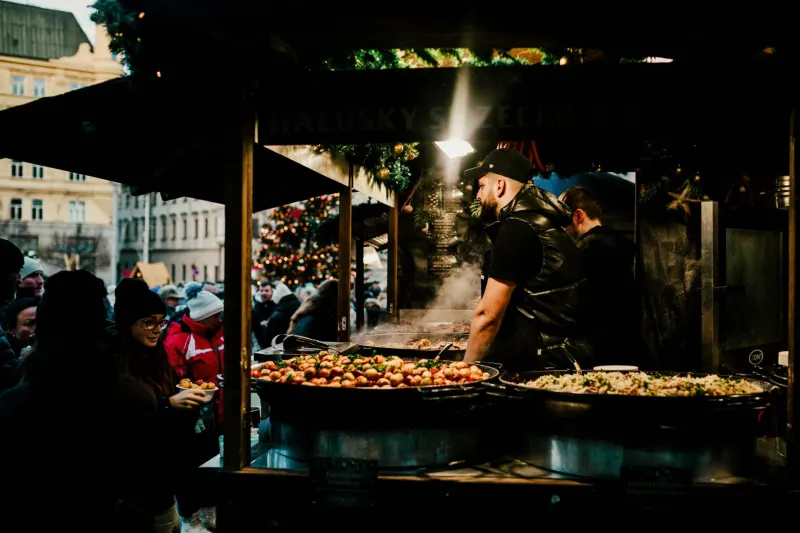
One of the more visible shifts in the UK festival catering landscape over the past decade has been the move towards locally sourced food. Partly this is ethics — sustainability commitments, reduced food miles, support for British farmers. Partly it's branding. Audiences have become savvier about what they eat at festivals, and "sourced from farms within 30 miles" makes for compelling signage.
But the practical impact on local agricultural communities is real and measurable. Farmers who supply meat, vegetables, dairy, or specialist produce to festival caterers often describe the contracts as transformative — not just financially, but in terms of visibility. Getting your products in front of 20,000 people over a weekend is marketing that most small producers couldn't otherwise afford.
At Shambala Festival in Northamptonshire, for instance, the commitment to local and sustainable sourcing has been a defining feature for years. The ripple effect through local food networks — growers, processors, distributors — is significant, and it's a model that more events are beginning to replicate.
The Accommodation Surge
Few sectors feel the festival economy as acutely as local accommodation. In regions with limited hotel stock, the arrival of a major festival can transform the market for weeks. Airbnb hosts, B&B owners, glamping operators, and even farmers offering field camping all experience a surge that, for some, represents their entire annual profit margin.
This isn't without complications. Housing researchers have noted that in some areas, the short-term rental market around popular festivals has begun to distort local property dynamics — pushing rents upward and reducing availability for year-round residents. It's a tension that festival organisers and local councils are increasingly having to navigate.
But for many accommodation providers — particularly in areas where tourism is seasonal and precarious — the festival calendar provides a predictability that's otherwise hard to come by. You can plan around it. You can invest knowing the demand will arrive.
When the Festival Doesn't Come Back
The fragility of this ecosystem becomes apparent when a festival cancels, relocates, or collapses. The cultural loss is obvious and widely mourned. The economic loss is quieter but often more severe.
When a major event folds — and several have in recent years, squeezed by rising costs, insurance premiums, and post-pandemic financial pressures — the businesses that built around it don't simply pivot. They absorb the loss, renegotiate contracts, and in some cases don't survive. The catering company that bought new equipment for an expanded contract. The security firm that took on extra staff. The B&B owner who turned away regular bookings in anticipation of festival visitors.
This is the hidden cost of festival precarity. It's not just audiences who lose a weekend they were looking forward to. It's communities that lose an economic anchor they may have been depending on for years.
Building Something That Lasts
The most resilient festival economies are those where the relationship between event and community has been actively cultivated rather than left to chance. Where organisers have made deliberate choices to source locally, hire locally, and invest in local infrastructure. Where local authorities have treated festivals as economic assets worth supporting rather than administrative headaches worth managing.
The potential, when that relationship works, is considerable. A well-run festival in a rural or post-industrial community isn't just a weekend of music. It's a demonstration that culture and economics can reinforce each other — that a field full of people enjoying themselves can also be a meaningful act of regional investment.
The lineup gets the attention. But the economy that surrounds it? That's where the real story lives.