Muddy Beginnings: The Couples, Friends, and Families Whose Stories Started in a Festival Queue
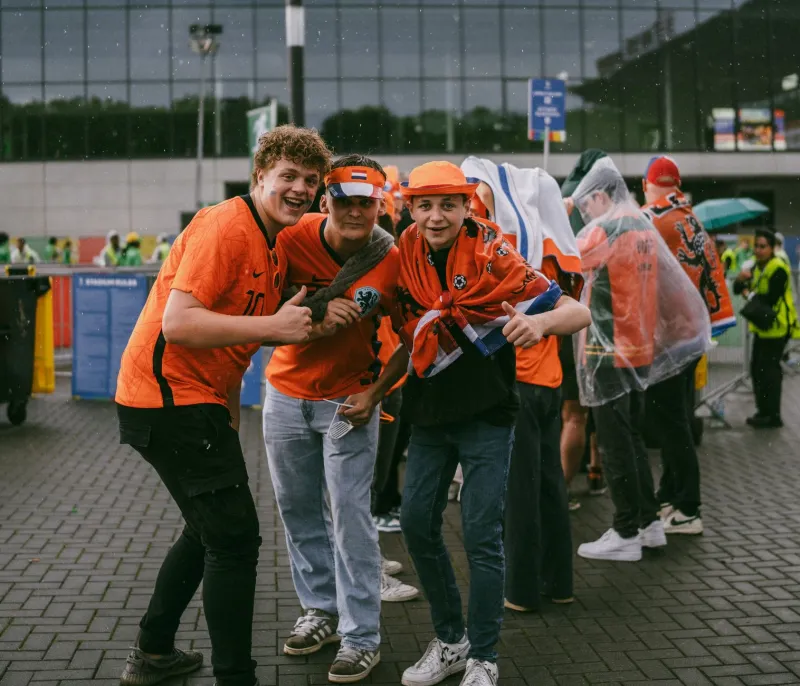
Ask anyone who's spent serious time on the UK festival circuit and they'll have a version of this story. The stranger who lent them a poncho. The group they accidentally joined and never really left. The person they met in the world's longest queue for a pulled pork bap who turned out to be the most important human being they'd ever encounter.
Festivals sell us music, obviously. But the thing they're quietly brilliant at — the thing nobody puts on the poster — is people.
The Queue Where It All Started
Sarah and Marcus have been together for eleven years. They met in a toilet queue at a mid-sized festival in the West Midlands, a detail they've long since stopped being embarrassed about.
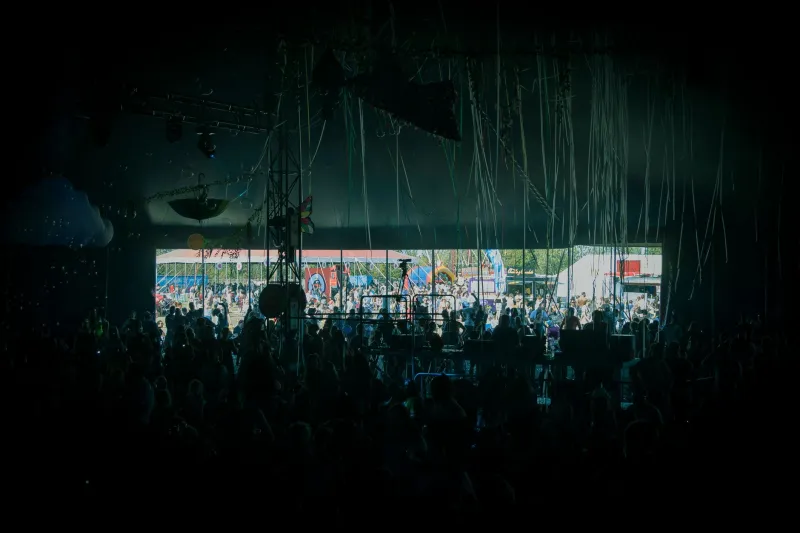
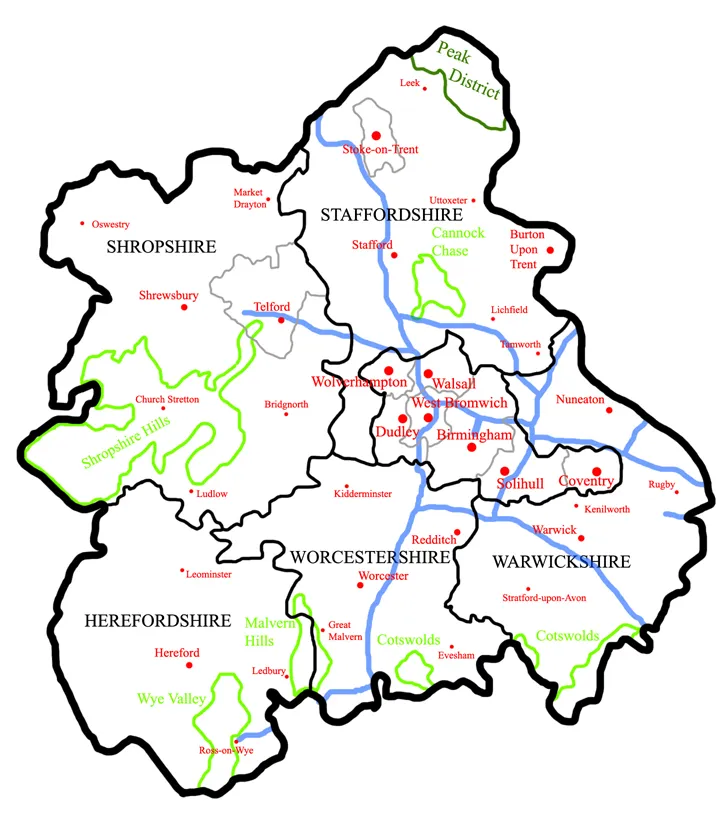 Photo: West Midlands, via www.british1.co.uk
"It was about forty minutes long," Sarah says. "You have to talk to someone. He was reading a paperback and I asked him what it was, and we just... didn't stop talking."
By the time they reached the front of the queue, they'd agreed to meet for a drink that evening. By the end of the weekend, they'd swapped numbers and made vague plans that felt, in the way that festival plans often do, entirely real and possibly imaginary. But they followed through. They always say the festival made them do it — that there's something about being stripped of your usual context, your job title, your postcode, that makes it easier to just be a person talking to another person.
They got married in 2019. Their first dance was to a song they'd both seen performed live that first weekend, by an artist neither of them had heard of before the festival programme pointed them towards the second stage.
What the Rain Does
There's a reason so many festival friendships are forged in bad weather. When a downpour descends on a site — and in Britain, it will, it always will — something interesting happens to social dynamics. Strangers share tarpaulins. People who would never speak in a supermarket car park find themselves huddled under the same inadequate gazebo, laughing at the absurdity of it all.
Jamila met her closest friend, Priya, during a genuinely biblical storm at a Scottish festival six years ago. They were both sheltering in the doorway of a merchandise tent, both soaked through, both laughing despite themselves.
"We bonded over the fact that we'd both made terrible footwear choices," Jamila says. "She had espadrilles. I had canvas trainers. We were both completely useless."
They've been to seven festivals together since. They live in different cities and see each other less than they'd like, but the group chat is constant, and every summer they coordinate annual leave with the precision of military planning.
"She's one of my best friends in the world," Jamila says simply. "And I found her because it rained."
The Generation Born in a Field
And then there are the stories that require a slightly different kind of telling.
Kate was thirty-four weeks pregnant when she attended a folk festival in the Welsh borders with her husband, Dan. She'd been cleared to go by her midwife, with the understanding that she'd take it easy, stay hydrated, and leave at the first sign of anything untoward.
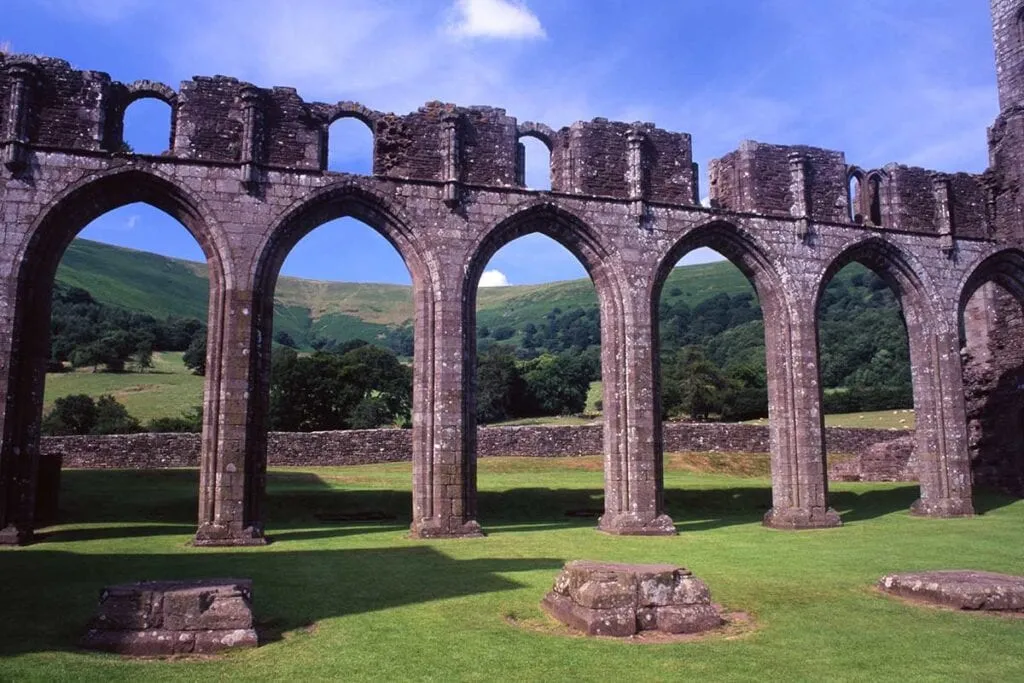 Photo: Welsh borders, via delveintoeurope.com
Nature, as it turns out, had its own schedule.
"It was during the Sunday afternoon headline set," Kate says. "Which is at least a good story. It wasn't in a portaloo, which is what everyone always asks."
The festival's medical team were experienced and calm. An ambulance arrived with impressive speed given the rural location. Their daughter, Rosie, was born in a field ambulance parked at the edge of the site, with the distant sound of a folk band still carrying on the wind.
Rosie is eight now. She has, according to her parents, an inexplicable affinity for live music and a remarkable ability to sleep through noise. She also has a festival wristband — the one from that weekend — in a small keepsake box on her bookshelf.
Why Festivals Work as Meeting Places
There's a sociological argument to be made here, and it's one that researchers who study community formation find genuinely interesting. Festivals create what academics call "liminal spaces" — environments set apart from ordinary life, where normal social rules are temporarily suspended and new connections become easier to form.
The shared experience of being in a particular place, at a particular time, hearing the same music, enduring the same weather, creates an immediate sense of common ground. You already have something to talk about. You already know something about each other — that you chose to be here, that you care about this, that you're the kind of person who shows up.
That's more than you can say for most social situations.
And the temporary nature of the festival — the fact that it ends, that Monday is coming, that this bubble will burst — creates a kind of urgency that accelerates connection. You don't have the luxury of getting round to it. You swap numbers now, or you don't swap them at all.
The Long Tail of a Weekend
What's striking, talking to people whose most important relationships have a muddy origin story, is how little they think of it as unusual. There's no self-consciousness about having met at a festival, no sense that it's a less valid or less meaningful context than a dinner party or a dating app.
If anything, there's a quiet pride in it. A sense that the festival is the truest version of the meeting — that whoever you are when you're standing in a field with no signal, wearing yesterday's clothes, watching a band you'd never heard of six months ago, that's probably closer to the real you than the person who shows up to a first date with a carefully curated anecdote.
Britain's festivals have been running long enough now that there are children attending the same events where their parents fell in love. That's not a small thing. That's a lineage.
From now on, every time someone dismisses the festival as a frivolous long weekend, someone else has a story that says otherwise. And those stories, told and retold, are becoming part of what Britain is — a place where music has always had a habit of starting something bigger than itself.