Muddy Boots, Common Ground: Are Festivals Britain's Last Great Leveller?
The Promise of the Field
There's something beautifully absurd about watching a High Court judge queuing behind a teenager from Burnley for the same lukewarm chai latte, both equally muddy, equally tired, equally enchanted by the same emerging folk duo they'd never heard of until twenty minutes ago. This is the promise that British festivals have always sold us: that for one weekend, postcode doesn't matter, accent becomes irrelevant, and we're all just humans sharing the same patch of churned-up earth.
But in 2024, as Britain grapples with its starkest inequalities in generations, it's worth asking whether our festival fields genuinely deliver on this democratic ideal — or whether they've become another space where class differences simply wear different clothes.
The Economics of Escape
Let's start with the uncomfortable truth: festivals aren't cheap. A weekend ticket to a major British festival can easily cost more than some families spend on food in a month. Add travel, accommodation, and the inevitable festival markups on everything from water to phone charging, and you're looking at a financial commitment that automatically excludes vast swathes of the population.
"The myth of the accessible festival died somewhere around 2010," argues Dr. James Morrison, a sociologist at Manchester University who's spent five years studying class dynamics at British music events. "We've created these spaces that celebrate diversity while pricing out anyone who can't afford to participate in that celebration."
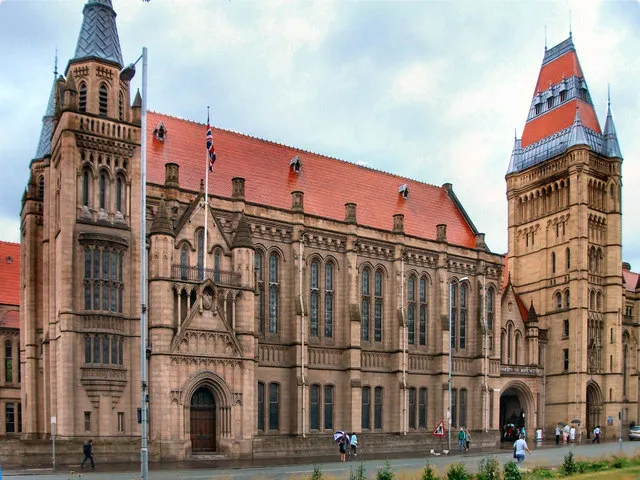 Photo: Manchester University, via s0.geograph.org.uk
Yet step into any festival crowd and you'll find people who've saved for months, worked extra shifts, or convinced their entire friend group to split costs just to be there. The desire for that communal experience transcends economic barriers, even when those barriers are getting higher every year.
The Great Levelling
Once you're through the gates, something genuinely transformative happens. The usual markers of British class identity — cars, houses, job titles — become irrelevant. Everyone's wearing wellies. Everyone's carrying their own toilet paper. Everyone's equally confused by the site map.
"There's something profound about shared discomfort," reflects Lucy Harrison, a regular at small-scale festivals across Wales who works as both a teaching assistant and weekend festival volunteer. "When you're all queuing for the same questionable burger, when you're all trying to find your tent in the dark, when you're all singing along to songs you've never heard before — those differences that seem so important in normal life just... dissolve."
This dissolution creates space for interactions that would never happen in everyday Britain. Conversations between strangers become natural. Sharing resources — whether that's a phone charger, a camping chair, or directions to the acoustic tent — becomes automatic. The rigid social protocols that govern British life elsewhere seem to suspend themselves.
The Limits of Temporary Democracy
But critics argue that this temporary classlessness is exactly that — temporary, superficial, and ultimately meaningless. What good is weekend equality if it doesn't challenge the structures that create inequality the rest of the year?
"Festivals can actually reinforce class divisions by providing a safety valve," warns Dr. Sarah Chen, whose research focuses on cultural consumption patterns. "They allow privileged people to feel they've engaged with 'authentic' working-class culture without actually addressing the systems that maintain their privilege."
There's truth in this critique. The lineup curation at many festivals still reflects middle-class tastes disguised as universal appeal. The food offerings increasingly cater to metropolitan palates rather than accessible comfort food. Even the camping experience has stratified, with VIP areas and glamping options creating mini-hierarchies within the supposedly egalitarian field.
Small Victories, Real Connections
Yet dismissing festivals entirely misses the genuine moments of connection that transcend these limitations. Speak to long-term festivalgoers and they'll tell you about friendships forged in muddy queues that lasted decades. About discovering music they'd never have encountered in their usual social circles. About experiencing genuine community in ways that modern British life rarely provides.
"Class doesn't disappear at festivals," admits Tom Richards, who's attended Reading Festival every year for fifteen years and works as a plumber in Swindon. "But it matters less. I've had proper conversations with people I'd normally never meet. Not about our jobs or where we live, but about the music, about the experience we're all sharing. That's not nothing."
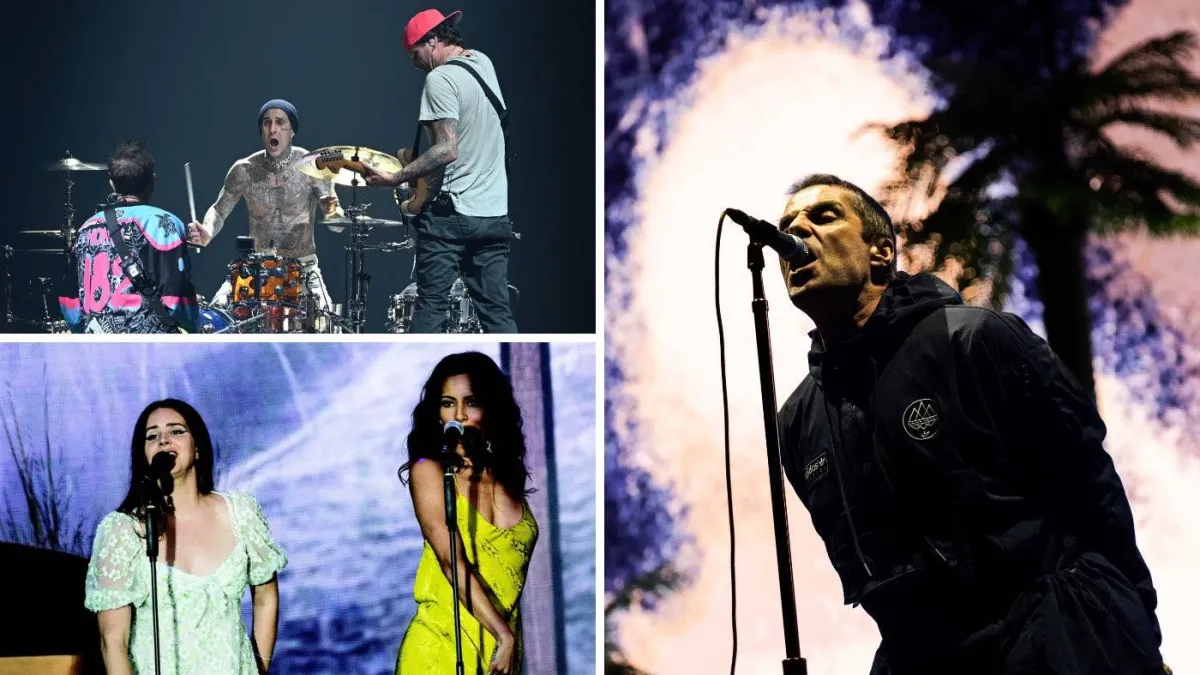 Photo: Reading Festival, via images.bauerhosting.com
The smaller, grassroots festivals often come closest to delivering on the democratic promise. Events like Bearded Theory in Derbyshire or Farmer Phil's Festival in Ratlinghope maintain ticket prices that remain accessible while creating atmospheres where community genuinely emerges organically.
The Verdict from the Field
So are British festivals genuine levellers or elaborate illusions? The answer, frustratingly, is both. They can't solve Britain's inequality crisis over a weekend, and they shouldn't be expected to. But they do create rare spaces where different tribes of British society actually encounter each other as humans rather than stereotypes.
In a country where geographical and economic segregation means many people live entire lives without meaningful contact across class lines, even temporary bridges matter. The festival field might not be perfectly democratic, but it's more democratic than most spaces in modern Britain.
As festival season approaches each year, perhaps the question isn't whether these events achieve perfect equality, but whether they move us incrementally toward a more connected society. In a nation that increasingly talks past itself, any space where different voices actually listen to each other — even if it's just for a weekend, even if it costs too much, even if it's not perfect — represents something worth protecting.
The revolution might not happen in a muddy field in Somerset. But understanding, empathy, and genuine human connection just might.