Back in the Crowd: The Generation Reclaiming Their Place on the Dancefloor
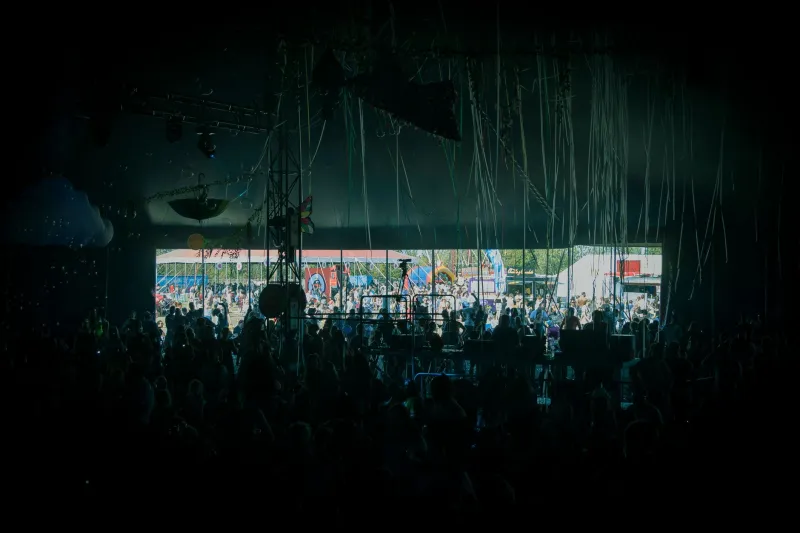
There's a particular kind of joy that only happens when someone who hasn't been to a live gig in a decade finds themselves pressed into a crowd, bass rattling their ribcage, remembering — physically, viscerally — exactly why they used to live for this. It's not nostalgia, not quite. It's something sharper. A recognition.
Across Britain right now, that moment is happening at an extraordinary scale. Millions of adults who drifted away from live music during the grinding years of nappies and nursery fees, mortgage stress and career pivots, or the long grey tunnel of pandemic isolation, are coming back. Not tentatively. With intent.
The Long Road Away
It rarely happens dramatically. Nobody wakes up one morning and decides they're done with festivals. Life just accumulates — a baby here, a promotion there, a pandemic that cancels everything for two years — and suddenly you realise the last time you stood in a field watching a band was under a different government, possibly a different decade.
For many in their late 30s and 40s, the exit from live music culture was gradual and entirely unplanned. The sociologist Dr Fiona Gallagher, who has been tracking leisure behaviour in UK adults for the past eight years, describes it as "cultural hibernation" — a period where the infrastructure of enjoyment (disposable income, free weekends, willing mates) simply isn't available, and so that part of life gets quietly shelved.
"What we're seeing now is an enormous awakening," she says. "Post-pandemic, people reassessed what actually matters to them. Live music came roaring back onto that list."
The numbers bear it out. UK live music industry body LIVE estimates that attendances at festivals and outdoor events have been climbing steadily since 2022, with the most significant growth coming from the 35-55 age bracket — a cohort that had been conspicuously underrepresented in the years before Covid.
What Lured Them Back
Ask a returning festivalgoer why they came back, and you'll get a different answer almost every time. For some, it was a specific trigger — a friend's birthday, a bucket-list artist announcing what felt like a farewell tour, a child finally old enough to be left with grandparents for a weekend. For others, it was something less tangible: a creeping awareness that life was passing without enough of the things that make it feel worth living.
Sarah, 44, from Leeds, hadn't been to a festival since 2008. She went back to Green Man in 2023 after her youngest started secondary school. "I'd forgotten what it felt like to exist purely in the present," she says. "No work emails. No school run. Just music and fields and people who are happy to be there. I cried twice on the first day and I'm not even slightly embarrassed about it."
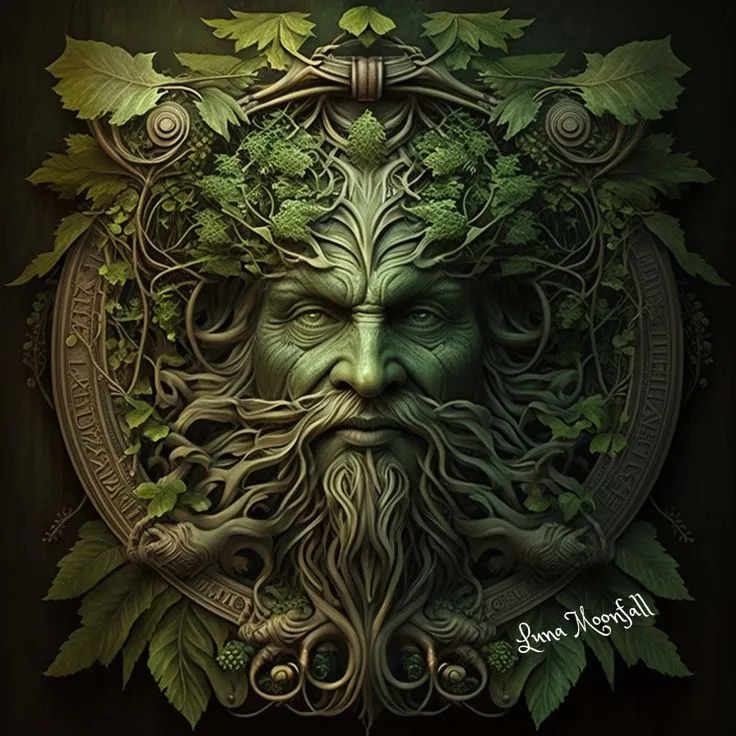 Photo: Green Man, via i.pinimg.com
Mark, 51, from Bristol, credits the pandemic itself with his return. "When everything was taken away, I realised how much I'd been taking for granted. I'd told myself for years that gigs were 'a young person's thing' and I'd outgrown them. That was complete rubbish. I just needed permission."
Festivals Are Getting the Message
The industry hasn't been slow to notice. Across Britain, festivals are quietly — and sometimes not so quietly — evolving to make their events more welcoming to this older, often more financially stable demographic.
Practical changes are part of it. More glamping options, better toilet facilities, quieter camping zones, and improved accessibility provisions have all expanded in recent years. Several festivals now offer dedicated "family and friends" ticket packages that acknowledge the reality of mixed-age groups wanting to attend together.
But it goes deeper than logistics. Programming has shifted too. Headline slots are increasingly going to artists whose core fanbase grew up in the 90s and early 2000s — not as a cynical nostalgia play, but as a genuine acknowledgement that the audience is broader than it once was. Meanwhile, daytime programming has diversified to include talks, workshops, and wellness spaces that appeal to people who want more from a weekend than three days of standing in front of a stage.
Boomtown Fair, Wilderness, and End of the Road have all been praised for creating environments that feel genuinely multigenerational — places where a 48-year-old can have as rich an experience as a 22-year-old, just in a slightly different way.
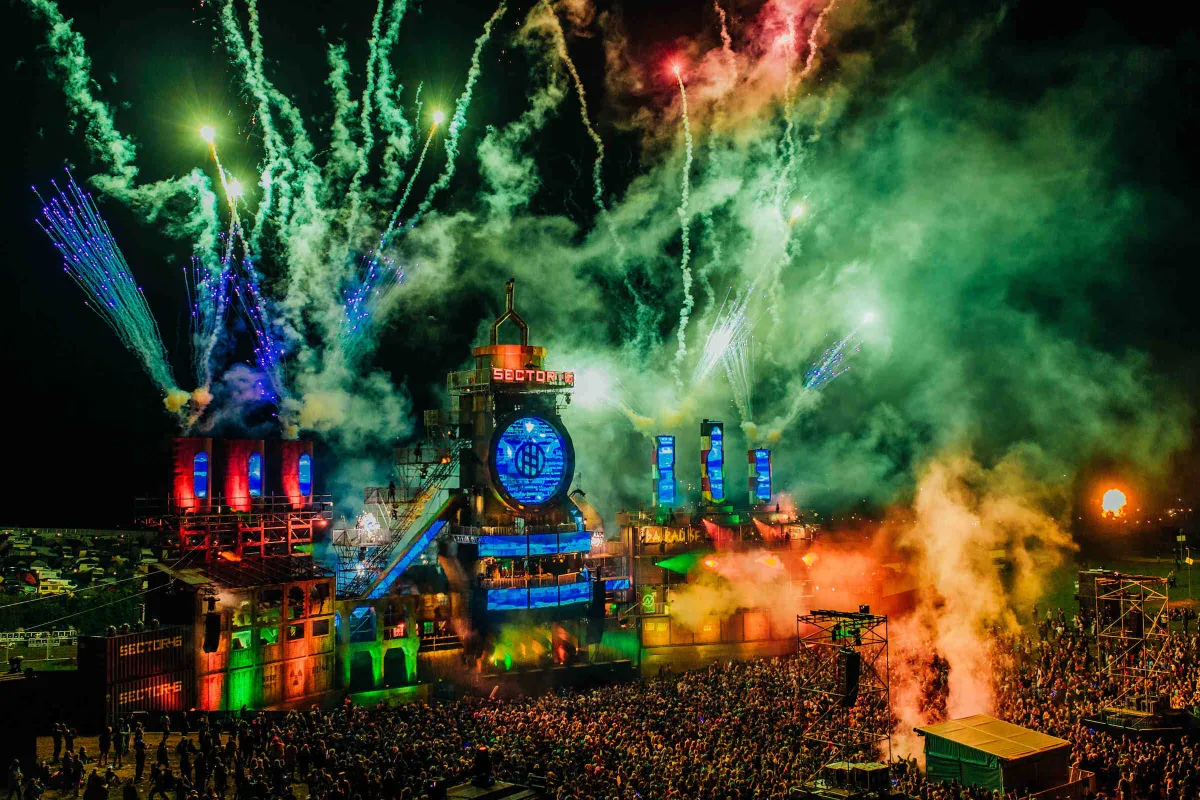 Photo: Boomtown Fair, via www.opnminded.com
A Different Kind of Attendance
Here's the thing that nobody quite anticipated: returning festivalgoers don't experience events the same way they did in their twenties, and that turns out to be a feature, not a bug.
The urgency is different. The need to be at the absolute front, to stay up until 4am every night, to tick every stage — that's largely gone. What replaces it is something arguably better: a capacity to simply be present. To sit on a hill and listen. To wander into a tent on a whim and discover something unexpected. To have a proper conversation with a stranger at the bar.
"Younger me went to festivals to perform being at a festival," admits Priya, 39, from Manchester. "Now I just go to actually enjoy them. It's completely different and honestly so much better."
This shift in how the demographic engages also has economic implications. Older returning festivalgoers tend to spend more on-site — on food, on merchandise, on upgraded accommodation — and are more likely to book early and commit firmly. For an industry still recovering from the financial bruising of 2020 and 2021, that reliability is genuinely valuable.
What This Means for Live Music's Future
Britain's live music economy is healthier when it draws from a wide well. An industry that depends entirely on a 18-25 demographic is vulnerable to the inevitable moment when that cohort ages out and the next generation hasn't yet arrived. The return of the "lost generation" of festivalgoers creates something more sustainable: a broad, multigenerational audience that keeps the ecosystem alive across decades rather than years.
More than that, it sends a cultural signal. Live music isn't a phase. It isn't something you graduate out of when life gets serious. It's a thread that runs through a life, sometimes visible, sometimes buried — but always there, waiting.
The comeback crowd isn't coming back as the people they were. They're arriving as who they are now: more settled, more selective, more grateful. And honestly? The festival world is better for having them.