Blueprint Architects: The Visionaries Who Turn Empty Fields Into Festival Cities
The Blank Canvas
Stand in an empty field in February, and you'll see nothing but mud, stubble, and possibility. But to Emma Richardson, senior site designer for some of Britain's most celebrated festivals, that barren landscape is already alive with invisible pathways, secret corners, and moments of wonder waiting to unfold.
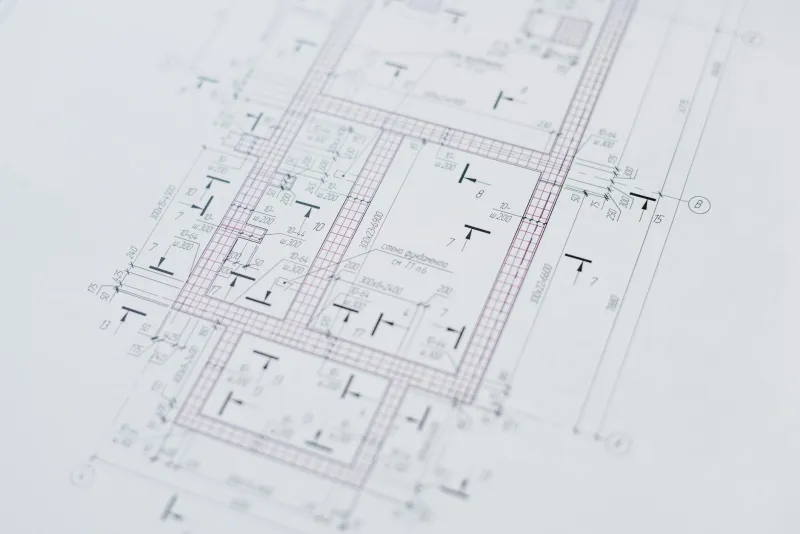
"People think festivals just happen," Emma tells me over coffee in her Bristol studio, walls covered in hand-drawn site maps that look more like medieval manuscripts than modern blueprints. "But every single step a punter takes, every sight line, every moment of discovery — it's all been planned months in advance."
Emma and her small team of spatial thinkers represent one of Britain's most overlooked creative industries. While we celebrate headliners and marvel at production values, these blueprint architects work in quiet obsession, transforming agricultural land into temporary cities that house tens of thousands.
The Psychology of Movement
The art lies not just in placing stages and food stalls, but in understanding human behaviour at its most basic level. How do crowds move when they're excited? Where do they naturally pause? What creates that perfect balance between discovery and efficiency?
"It's like choreographing a dance for 50,000 people who don't know they're dancing," explains Marcus Webb, whose company has designed layouts for festivals from Glastonbury's smaller stages to intimate woodland gatherings across the Cotswolds. "You're managing energy, emotion, and expectation through geography."
Marcus shows me a detailed map of last year's Green Man Festival, pointing to what looks like a random curve in the pathway between the main stage and the food village. "This bend here? It took us six months to get right. Too direct, and people rush past the emerging artist stages. Too winding, and they get frustrated. This curve creates just enough delay to make people curious about what's happening on the smaller stages."
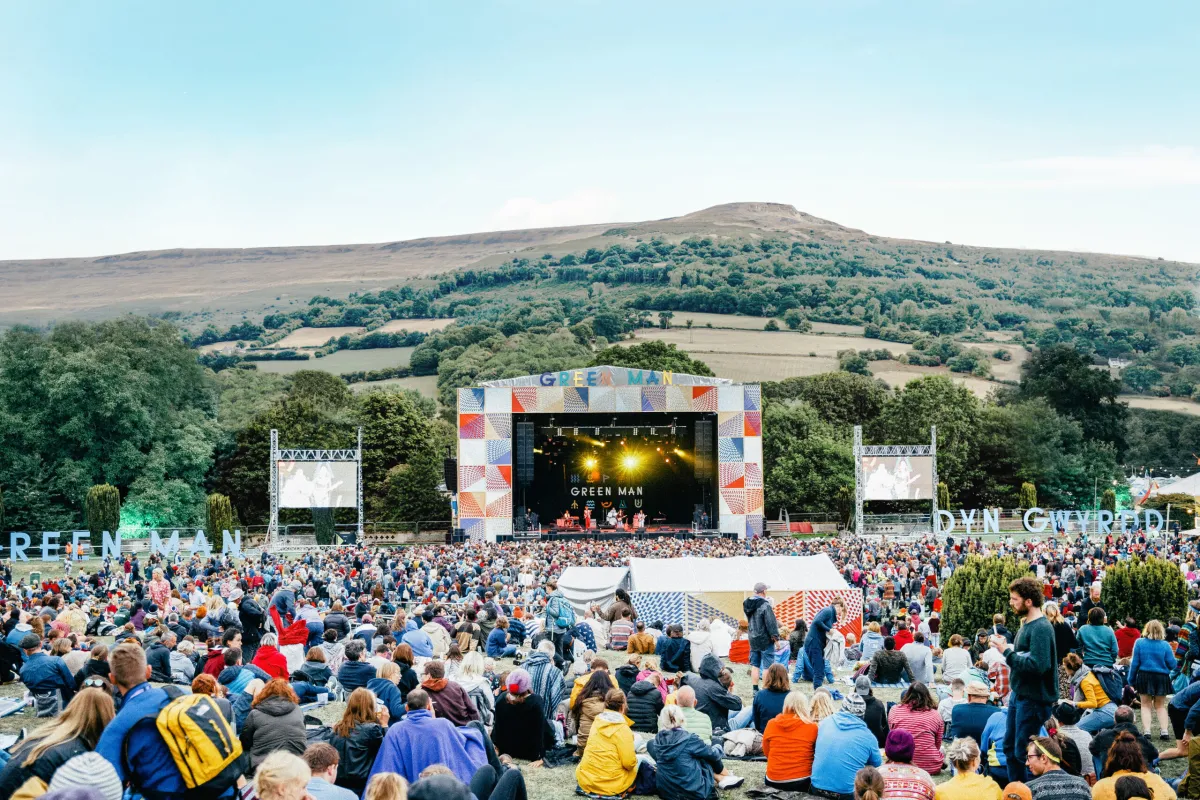 Photo: Green Man Festival, via assets.buzzmag.co.uk
The Hidden Language of Festival Design
Every element serves multiple purposes. The positioning of toilets isn't just about convenience — it's about creating natural gathering points and managing crowd dispersal after headline sets. The height difference between food vendors and performance areas isn't accidental — it allows sound to travel properly while preventing cooking smells from overwhelming acoustic sets.
"We think in layers," says Sarah Chen, whose design collective specialises in boutique festivals across Scotland's highlands. "There's the obvious layer — stages, bars, camping. Then there's the emotional layer — surprise encounters, quiet moments, the journey from excitement to reflection. And underneath it all, there's the practical layer that most people never notice but absolutely determines whether their weekend is magical or miserable."
Sarah's team famously designed the layout for Secret Garden Party's final years, creating what many described as the most intuitively navigable festival site in Britain. Their secret? Treating the entire space like a piece of music, with crescendos, quiet passages, and perfect timing.
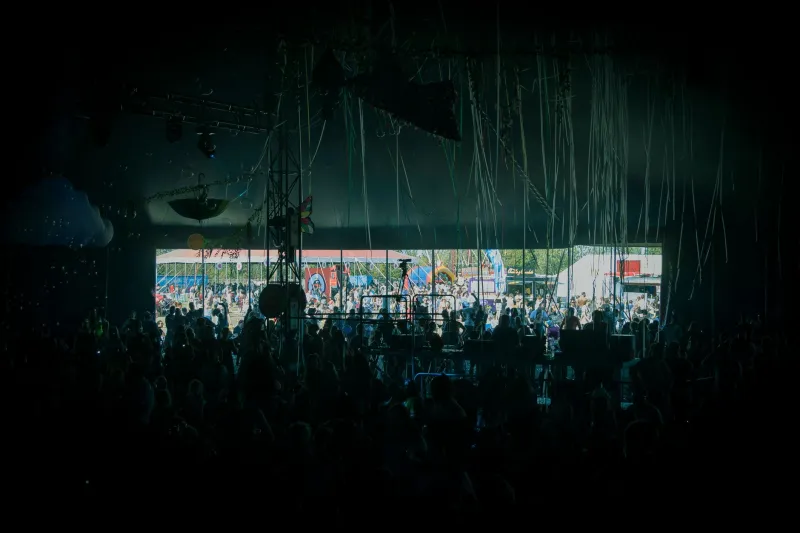
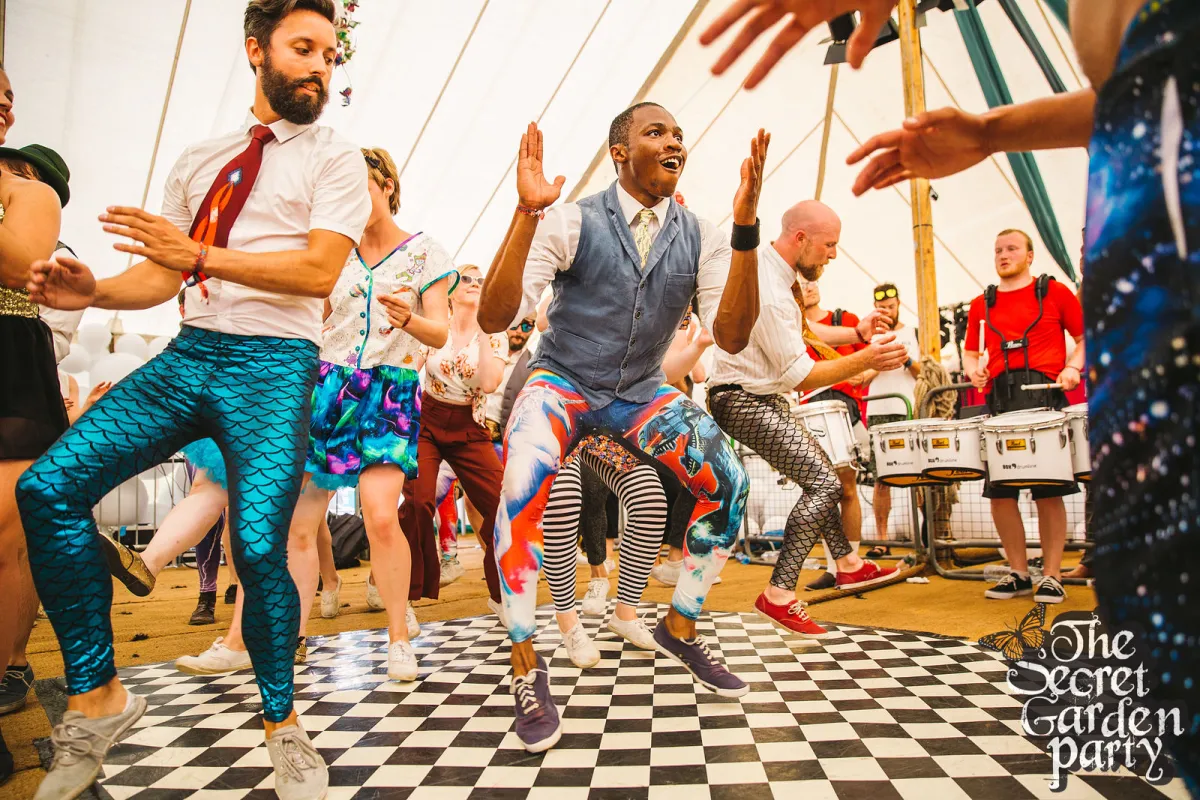 Photo: Secret Garden Party, via cache.dpg.media
Challenges in the Modern Era
Today's festival designers face pressures their predecessors never imagined. Social media has created an expectation for Instagram-worthy moments at every turn. Accessibility requirements demand creative solutions that enhance rather than compromise the experience. Climate concerns push designers toward sustainable materials and layouts that work with, rather than against, natural landscapes.
"The brief has completely changed," Emma reflects. "Ten years ago, we were designing for people who came to listen to music. Now we're designing for people who come to live their best lives, document every moment, and expect the site itself to be part of the entertainment."
This shift has led to increasingly sophisticated design thinking. Hidden art installations that reward exploration. Viewing platforms that create perfect photo opportunities while managing crowd flow. Quiet zones that provide respite without feeling like exclusion.
The Future of Festival Geography
As Britain's festival scene continues to evolve, so too does the art of site design. Virtual reality allows designers to test layouts before construction begins. Data analytics reveal how crowds actually move versus how planners expect them to move. Modular structures enable sites to transform throughout the weekend, creating different experiences for different days.
But at its heart, festival site design remains deeply human. It's about understanding that magical moment when a stranger becomes a friend over shared confusion about directions. It's about creating spaces where serendipity feels inevitable and community emerges naturally from careful planning.
"The best festival sites disappear," Marcus concludes. "People stop thinking about logistics and start living in the moment. When we've done our job properly, nobody notices the infrastructure at all. They just notice how good they feel."
As Britain's festival culture continues to mature, these invisible architects remain its unsung heroes — the obsessive map-makers who understand that the geography of joy is something that can be drawn, planned, and perfected, one careful line at a time.