The Quiet Months: Following Festival Artists Through Britain's Musical Winter
October's Empty Diary
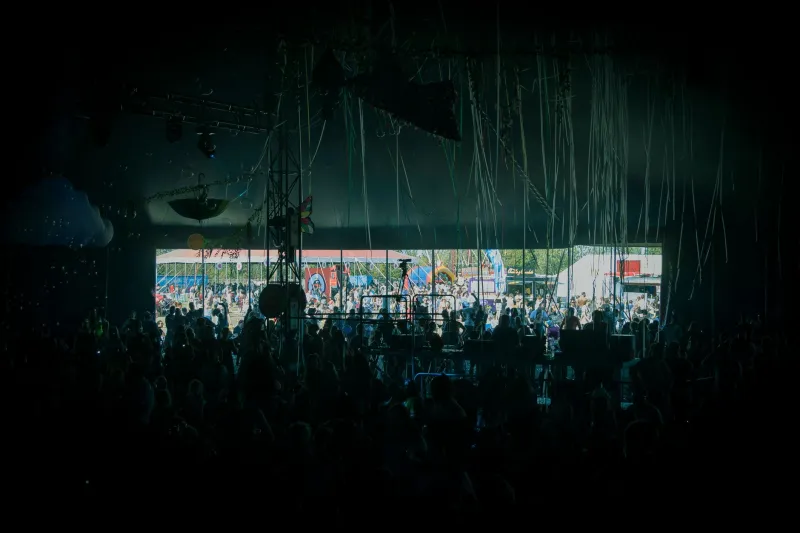
The last festival wristband came off three weeks ago, but Mia Chen still finds phantom plastic around her wrist when she wakes up. Her diary, dense with summer dates from Latitude to Kendal Calling, now shows blank pages stretching toward Christmas. The transition from festival stages to silence happens overnight, and for Britain's emerging artists, it can feel like falling off the edge of the world.
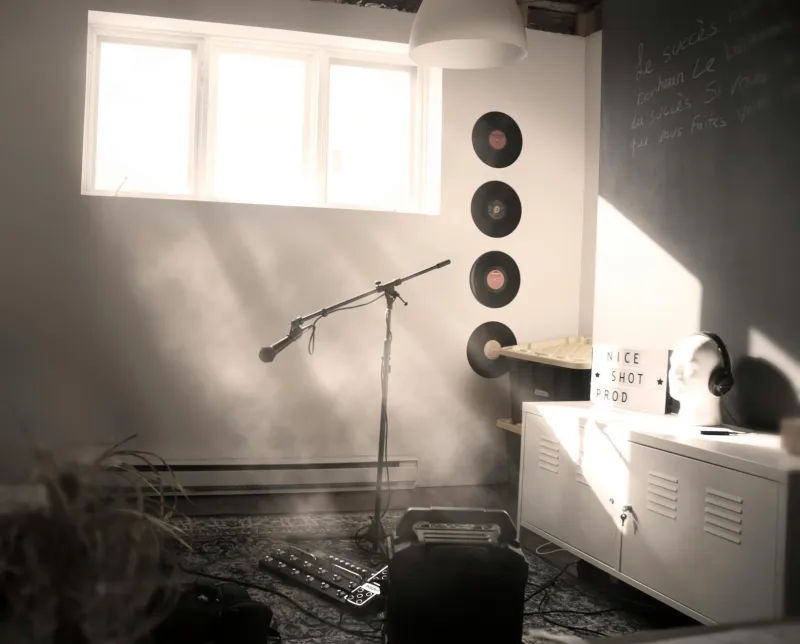
"People see the festival photos and think that's our life," Mia tells me from her shared flat in Manchester, where she's just finished a shift at the local independent record shop. "But those twelve weeks of summer have to sustain us through forty weeks of... this." She gestures around the cramped living room where she's set up a makeshift recording space between the sofa and the window.
Mia represents thousands of artists across Britain who live for festival season — not just for the performance high, but for the financial lifeline it provides. The off-season isn't a break; it's a test of endurance, creativity, and sheer bloody-mindedness.
The Architecture of Survival
In a converted barn outside Hebden Bridge, folk duo The Bracken Hill are deep in their winter routine. By day, Sarah teaches primary school while her partner Jake runs a small furniture restoration business. By evening, they transform their spare room into a writing sanctuary, layering harmonies that will hopefully carry them through next summer's circuit.
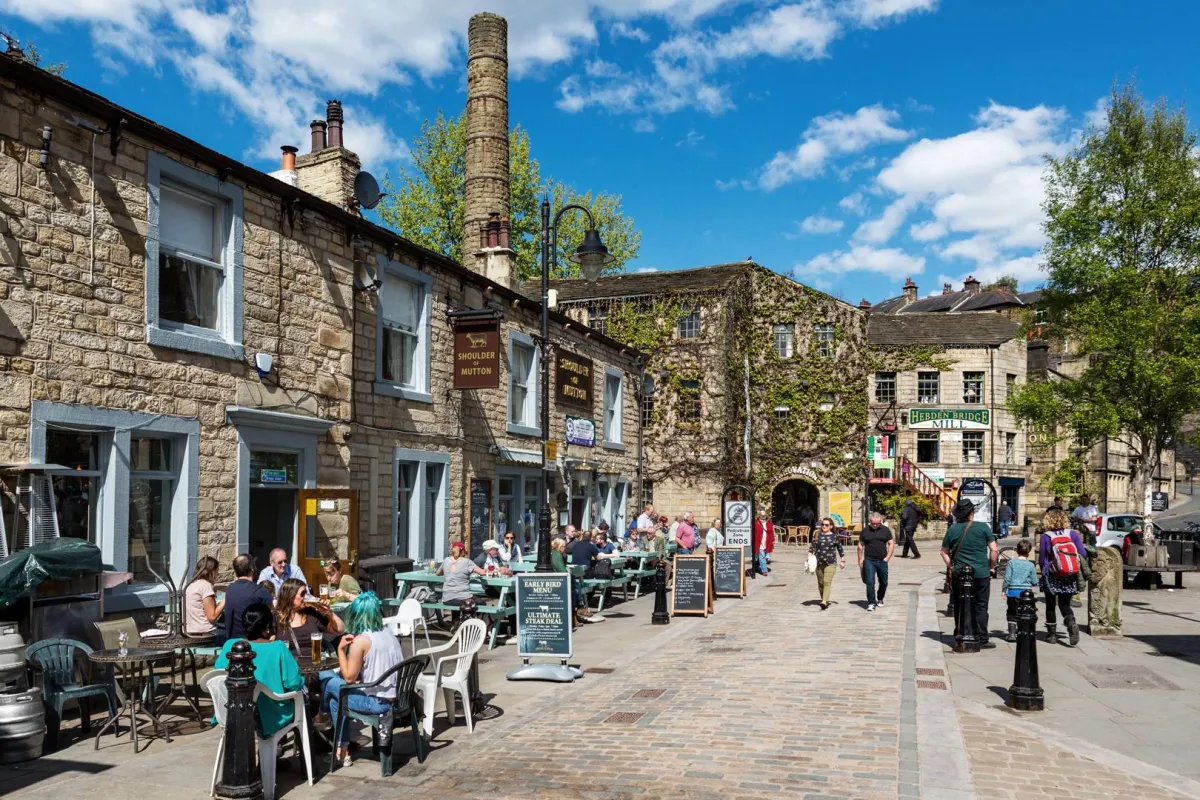 Photo: Hebden Bridge, via tr-images.condecdn.net
"The romantic image of the struggling artist doesn't account for council tax," Sarah laughs, showing me their meticulously planned budget spreadsheet. "We learned early that you can't survive on passion alone. You need structure, discipline, and a really good accountant."
Their approach reflects a new pragmatism among Britain's festival artists. The days of chaotic creativity funded by parental support or dole money have largely disappeared. Today's emerging acts are strategic, treating their art as both calling and business, building sustainable careers that can weather the inevitable quiet periods.
Jake pulls out a battered notebook filled with song sketches from the past two months. "This is where the real work happens. Summer is performance; winter is creation. We write about fifty songs between October and March. Maybe five will make it to the stage."
The Digital Lifeline
Down in Brighton, electronic producer Tom Walsh — who performs as Coastal Drift — has turned his bedroom into a creative laboratory. Surrounded by secondhand synthesizers and a laptop older than most of his festival audience, he's crafting the sounds that will soundtrack next summer's late-night dance tents.
"The internet changed everything for people like me," Tom explains, uploading his latest track to SoundCloud while simultaneously responding to Instagram messages from fans discovered during summer shows. "I can build an audience twelve months a year now, not just during festival season."
Tom's winter routine involves a careful balance of creation and connection. Morning shifts at a local café fund his evening studio sessions, while strategic social media posts keep his summer audience engaged through the dark months. He's part of a generation that understands audience development as much as artistic development.
"The goal isn't just to survive until next summer," he says, adjusting levels on a track that samples field recordings from Glastonbury's stone circle. "It's to arrive at next summer as a better, more connected artist than when you left."
The Mental Marathon
The psychological challenges of the off-season often prove more difficult than the financial ones. After months of regular validation — crowds singing along, festival programmers booking return slots, fellow musicians becoming genuine friends — the silence can be deafening.
"January is brutal," admits Mia, who's learned to anticipate the seasonal depression that follows her summer highs. "You go from feeling like you're part of something massive to sitting alone in your bedroom wondering if any of it was real."
To combat this, she's developed what she calls "creative hibernation rituals." Weekly sessions with other Manchester-based artists. Monthly open mic nights that keep performance skills sharp. A strict schedule of writing, recording, and skill development that treats winter like training camp rather than time off.
The Bracken Hill have found similar strategies. They've joined a network of folk artists across Yorkshire who share resources, collaborate on projects, and provide mutual support through the quiet months. "It's like having a creative family," Sarah explains. "People who understand that just because you're not on a stage doesn't mean you're not working."
The Spring Awakening
By March, the rhythm begins to shift. Festival programmers start announcing lineups. Booking agents return phone calls. The possibility of summer stages transforms from distant hope to concrete planning.
This is when the winter's work pays dividends. The songs written in spare bedrooms get their first live airings. The audiences cultivated through social media become potential ticket buyers. The creative partnerships forged in quiet months become collaborative opportunities for busy ones.
"The best artists use the off-season strategically," observes Emma Richards, a booking agent who's worked with dozens of festival acts over the past decade. "They don't just survive it; they emerge from it stronger, more focused, and ready to make the most of their summer opportunities."
The Long Game
As spring approaches, all three artists are already thinking beyond this year's festival circuit. Mia is planning her first proper album, funded by a combination of summer earnings and a successful crowdfunding campaign. The Bracken Hill are developing a winter tour strategy that could reduce their dependence on festival season. Tom is exploring sync licensing opportunities that could provide year-round income.
"The festival circuit taught us that sustainability matters more than glory," reflects Jake, packing away instruments after another productive evening session. "We're not trying to be rock stars. We're trying to be professional musicians who happen to love playing festivals."
This pragmatic approach represents a maturation of Britain's festival culture. As the scene has grown more competitive and expensive, artists have become more sophisticated in their career planning. The quiet months are no longer just something to endure — they're an essential part of a sustainable creative life.
Winter might strip away the crowds, the lights, and the immediate validation of the festival stage. But for Britain's most dedicated artists, it reveals something more valuable: the pure love of creation that sustains them through every season, every challenge, and every empty diary page that slowly fills with possibility.