From Pit to Stage: The Northern Towns Betting Their Futures on Festivals
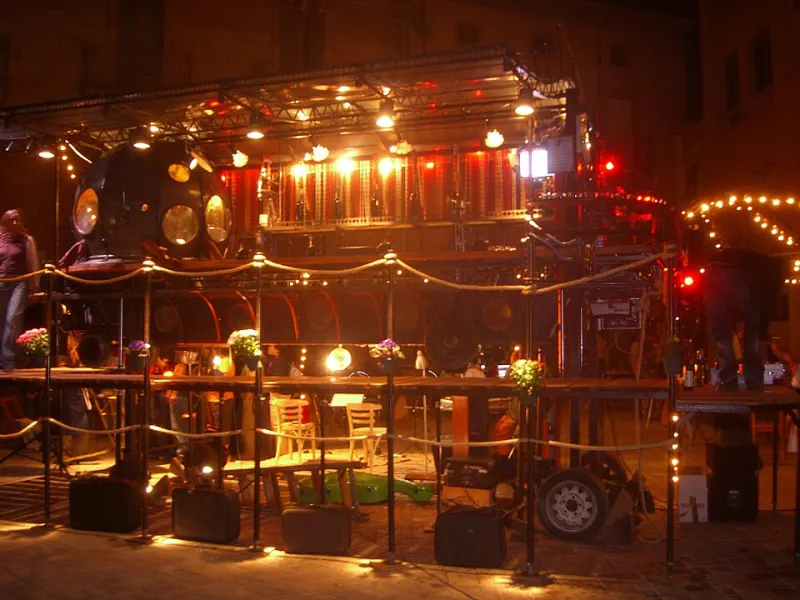
Photo: SSANTY, CC BY-SA 3.0, via Wikimedia Commons
There's a photograph that gets passed around at arts funding meetings in South Yorkshire. It shows a town square on a Saturday afternoon in July — bunting strung between Victorian buildings, a stage erected where market stalls usually stand, a crowd of several thousand people who, by any reasonable measure, shouldn't all be here. The town in question had a 23 per cent youth unemployment rate when the festival began. The photograph is from its seventh year.
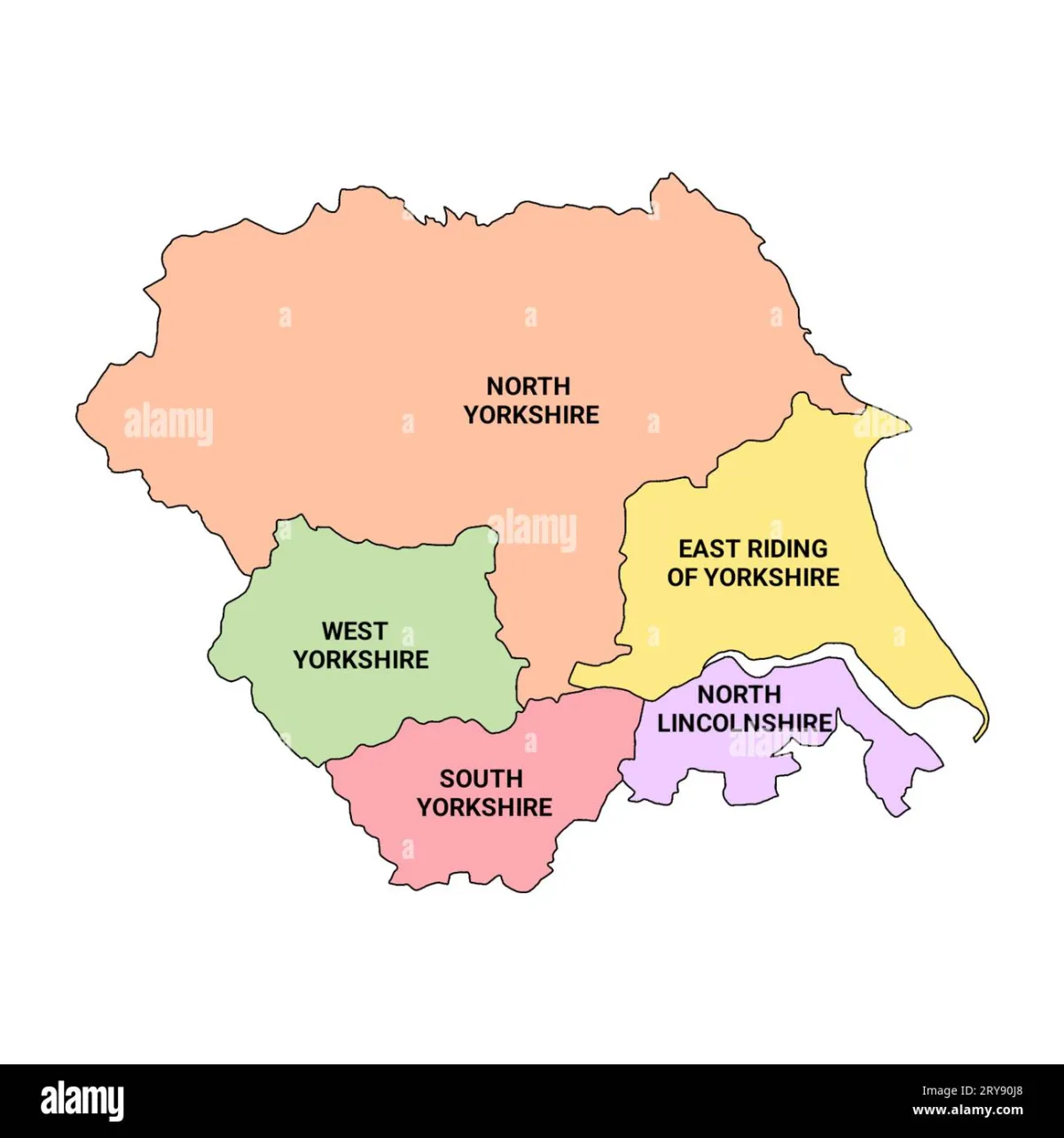 Photo: South Yorkshire, via c8.alamy.com
The image has become a kind of shorthand in conversations about culture-led regeneration — a term that gets used so often in policy documents that it risks losing all meaning. But spend time in the communities actually living through this shift, and the meaning snaps back into focus very quickly.
The Civic Gamble
The story of Britain's post-industrial towns is well documented and, in its broad strokes, deeply familiar. Deindustrialisation hollowed out communities that had been built around single industries — coal, steel, textiles, shipbuilding — and the policy responses that followed ranged from inadequate to actively harmful. Decades of regeneration spending produced mixed results at best: some retail parks, some ring roads, and a persistent sense that the people who actually lived in these places weren't quite the intended beneficiaries of the investment.
What's different about the festival-led model isn't the money — in most cases, the budgets involved are modest compared to traditional regeneration schemes. What's different is the ownership. These events tend to be built by people from the communities they serve, reflecting values and identities that emerged organically rather than being imported wholesale from a consultant's template.
Take Slung Low's work in Holbeck, Leeds. The theatre company turned a working men's club into a cultural hub that runs community events, a food bank, and a pay-what-you-decide ticketing model — and their annual outdoor events have become genuine civic occasions. Or consider the Marsden Jazz Festival in West Yorkshire, a village event that has grown over three decades into a nationally recognised gathering that draws audiences from across the country while remaining fiercely rooted in local identity.
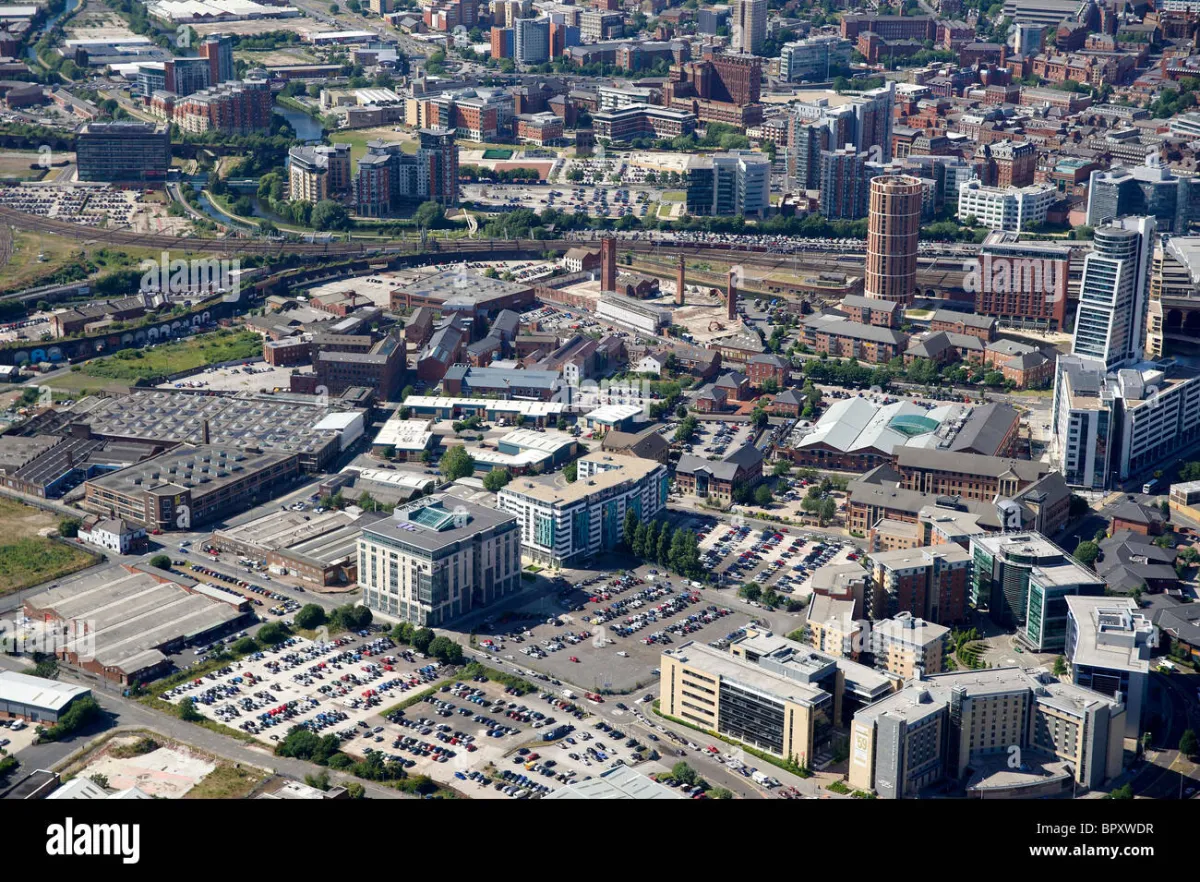 Photo: Holbeck, Leeds, via c8.alamy.com
The Valleys Are Listening
In Wales, the picture is particularly striking. Communities in the South Wales Valleys — towns like Merthyr Tydfil, Ebbw Vale, and Treorchy — have watched the slow decline of traditional industries with a particular kind of grief, given how deeply those industries were woven into local culture, language, and self-understanding.
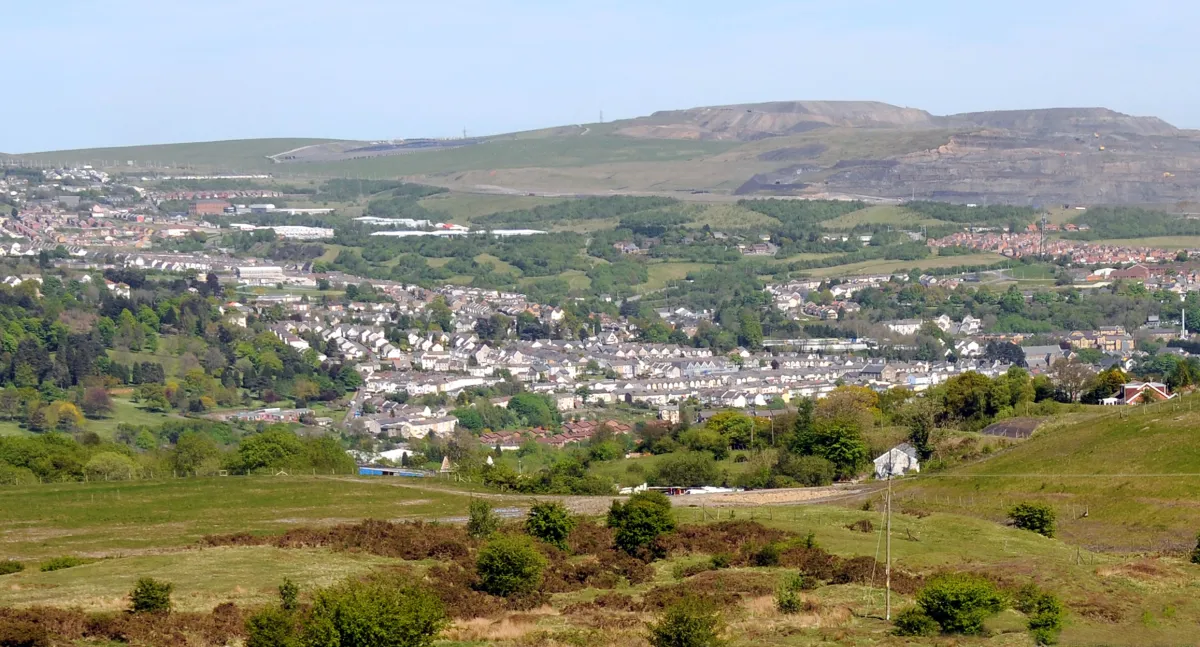 Photo: Merthyr Tydfil, via ensignpeakfoundation.org
But something is shifting. Small, independently organised music and arts events have begun to take root in these communities, drawing on the same spirit of collective endeavour that once powered the miners' institutes and choral societies. The Valleys Kids organisation has been running arts programmes and community festivals in Rhondda Cynon Taf for years, and the evidence of their impact — in youth engagement, mental health outcomes, and simple civic pride — is compelling.
"People here don't need to be told that culture matters," says one organiser who runs an annual music weekend in a former pit village. "They grew up with brass bands and male voice choirs and working men's clubs with pianos. Culture was always how this community talked to itself. We're just finding new forms for that conversation."
When One Weekend Changes Everything
The most tangible evidence for the transformative potential of festival culture tends to be local and specific. In Consett, County Durham — a town that lost its steelworks in 1980 and spent decades in economic freefall — a grassroots music festival that started with a few hundred people in a community centre has grown into an annual event that fills the town centre and has been credited by local business owners with measurable increases in footfall and trade.
In Stoke-on-Trent, the Appetite programme of public arts events has been quietly rebuilding civic confidence in a city that spent years near the bottom of almost every quality-of-life index. The events themselves are often free, deliberately designed to remove the economic barrier to participation, and the cumulative effect — residents seeing their city as a place where interesting things happen — is harder to quantify than a jobs figure but arguably more durable.
What these places share is a recognition that economic regeneration and cultural regeneration are not separate projects. When young people have a reason to feel proud of where they're from — when their town is somewhere that things happen rather than somewhere things happened — the decision about whether to stay becomes genuinely more complicated.
The Limits of the Possible
It would be dishonest not to acknowledge the challenges. Culture-led regeneration has a chequered history when it's imposed from outside rather than grown from within — the cautionary tale of the Millennium Dome looms large in any honest discussion of the subject. Festivals that are parachuted into communities as economic instruments rather than genuine expressions of local identity tend to feel hollow and fail to build the long-term roots that make the difference.
Funding is precarious. Arts Council England's portfolio of supported organisations has contracted significantly over the past decade, and many of the most vital community-facing events operate on margins that make planning beyond next year genuinely difficult. The irony of being asked to regenerate communities while operating without stable funding is not lost on the organisers doing this work.
But the momentum is real. From the Midlands to the Valleys, from former pit villages to post-industrial port towns, a generation of cultural organisers is demonstrating that the future doesn't have to be written in the language of the past. Sometimes it sounds more like a headline act on a Saturday night, with the whole town watching.
And sometimes that's enough to change what people believe is possible.