From the Wings to the World: Why Britain's Side Stages Launch the Artists That Matter
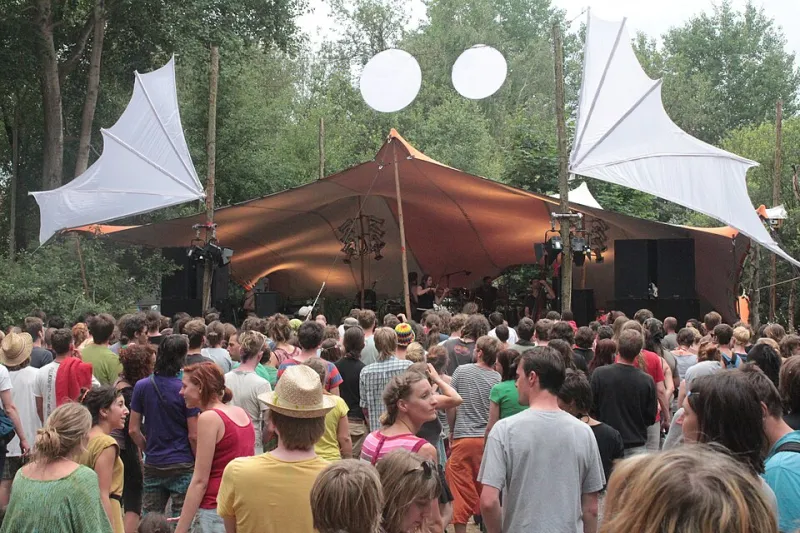
Photo: Andrew Lorien from Sydney, Australia, CC BY-SA 2.0, via Wikimedia Commons
From the Wings to the World: Why Britain's Side Stages Launch the Artists That Matter
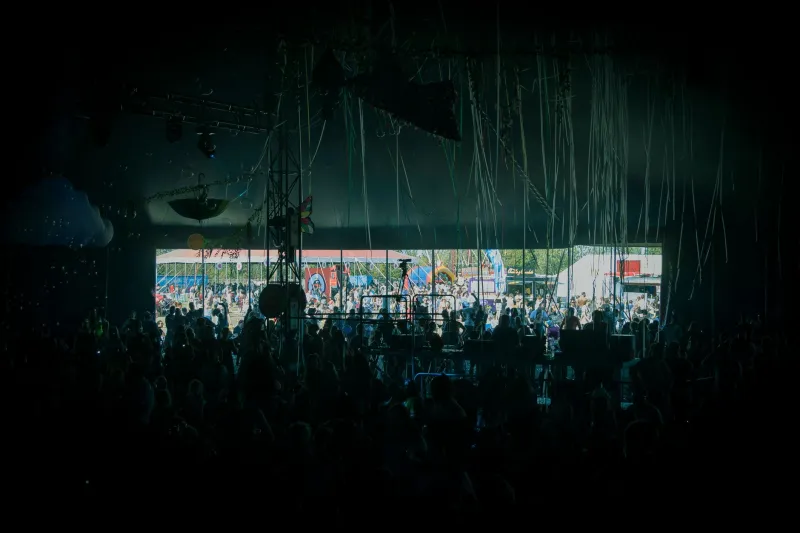
There's a particular kind of electricity that only happens in a half-full tent at three in the afternoon. The crowd is small enough that you can see individual faces. The artist is close enough that you can watch their hands. Nobody's quite sure what's about to happen — and that uncertainty is precisely the point.
This is where British music has been made, unmade, and remade for the better part of fifty years. Not on the headline stages with their corporate rigging and production budgets, but on the smaller, stranger, more dangerous platforms where the only currency is the song itself.
The Margins as Incubator
It has become almost a cliché to point out that Arctic Monkeys played a small stage at Reading before they became the Arctic Monkeys. That Adele performed in a tent at Glastonbury years before she was selling out stadiums. That the artists who now fill main stages across Britain were once playing to a few hundred people in a field, with no guarantee anyone would care.
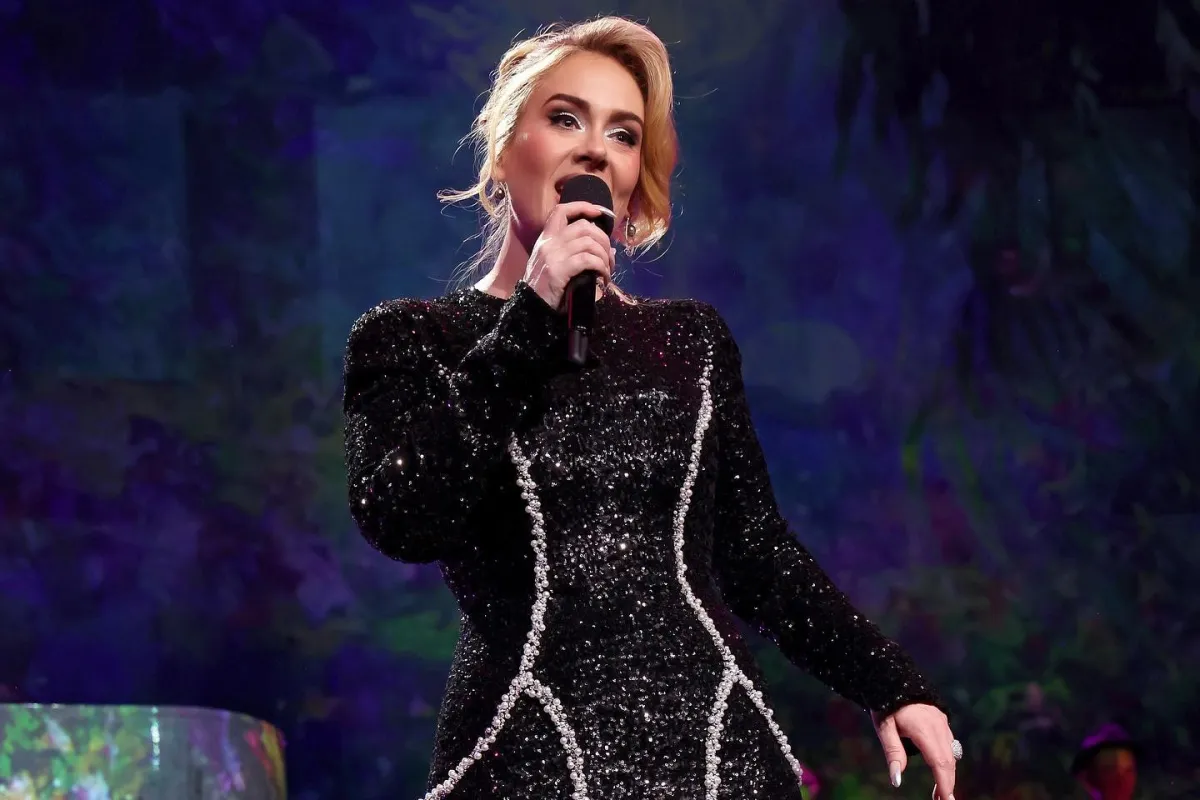 Photo: Adele, via concerts50.com
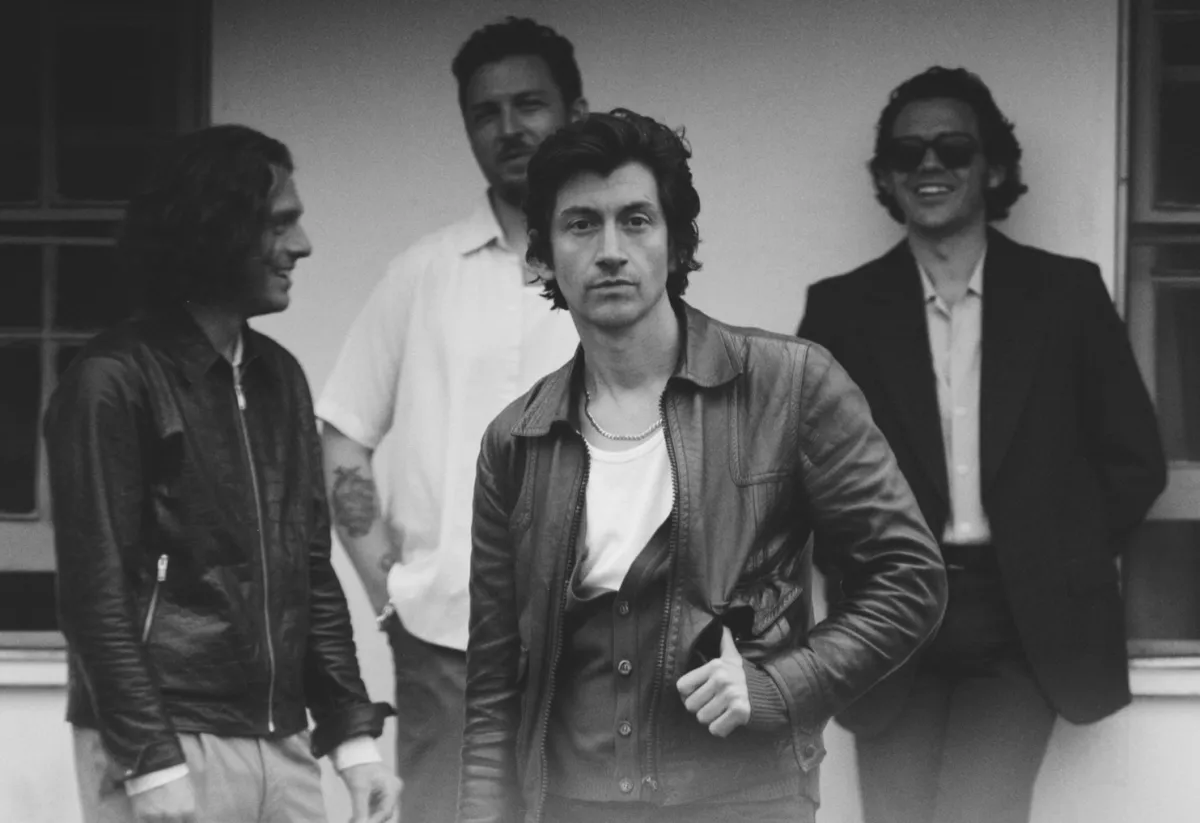 Photo: Arctic Monkeys, via static.spin.com
But clichés become clichés for a reason. The pattern is real, it's consistent, and it's not accidental.
"When you're booking a second stage or a smaller tent, you're operating with a completely different brief," explains Marcus Webb, who has programmed stages at several UK festivals across the past fifteen years. "On the main stage, you're buying certainty. You need bums on seats, you need a name people recognise. But on the second stage? You're buying potential. You're betting on what something might become."
That distinction — certainty versus potential — is everything. It's the structural reason why Britain's side stages have consistently produced its most important artists.
The Risk Architecture of Small Stages
Programming a headline slot is, in many ways, an act of confirmation. The artist has already proven themselves; the booking ratifies an existing story. Programming a second or third stage is an act of speculation — and speculation is where discovery lives.
The financial stakes are lower, which means programmers can afford to be wrong. And because they can afford to be wrong, they're willing to be bold. An unknown act on a small stage who turns out to be extraordinary is a triumph. The same act on the main stage, drawing a thin crowd, is a catastrophe. The geometry of the small stage protects both the artist and the booker.
"There's also something about the physical space," says Webb. "A smaller stage forces proximity. The artist can't hide behind spectacle. They have to connect. And if they can connect with three hundred people in a tent at two in the afternoon, they can connect with anyone."
This is the unofficial audition that Britain's festival circuit has been running for decades — a meritocracy measured in real-time crowd responses rather than streaming numbers or industry buzz.
The Fans Who Were There First
Ask anyone who saw a now-famous artist on a second stage before they broke through and you'll hear a particular kind of pride in their voice. It's not smugness exactly — it's something closer to the satisfaction of having trusted your own instincts before the world caught up.
Sadie Okafor, a 34-year-old music teacher from Leeds, saw an artist she'd never heard of playing a mid-afternoon slot on a small stage at a Yorkshire festival in 2011. She'd wandered over because the tent was nearby and she had an hour to kill. Within three songs, she was transfixed. "I remember thinking: this is going to be something. I didn't know who they were. I just knew."
That experience — stumbling into something extraordinary by accident — is one of the defining pleasures of festival culture. And it happens almost exclusively on the smaller stages, where the scheduling gaps and the lack of prior expectation create the conditions for genuine surprise.
The Artists on the Other Side of the Moment
For the artists themselves, the small stage slot carries its own specific weight.
There's vulnerability in playing to a sparse crowd, knowing that most of the festival is somewhere else watching someone more established. But there's also a peculiar freedom. Without the pressure of a massive audience, without the expectation that comes with a headline slot, artists can take risks they might not otherwise take. They can try the song that isn't quite finished yet. They can talk to the crowd in a way that a stadium show never allows.
"Some of my best performances have been to small crowds," says one artist, who asked not to be named, having recently graduated to much larger stages. "You're not performing at people. You're performing with them. There's a conversation happening. That's rare, and it's something I actively miss."
The second stage, in this sense, isn't just a stepping stone. It's a distinct and valuable experience — for artist and audience alike — that the main stage can never fully replicate.
Protecting the Pipeline
There's a practical argument here that festival organisers would do well to take seriously. The artists selling out main stages in 2030 are almost certainly playing second stages right now. The health of Britain's live music ecosystem depends on those smaller stages being properly funded, properly programmed, and properly valued — not treated as filler between the acts that really matter.
Because the acts that really matter always started in the margins. The side stage isn't the warm-up act for the main event. It is the main event — just one that most people won't recognise until later.
From now on, that's worth remembering every time you walk past a half-full tent and hear something that makes you stop.